DbcultAccessing Vault...
5.3/10
Senior Film Conservator
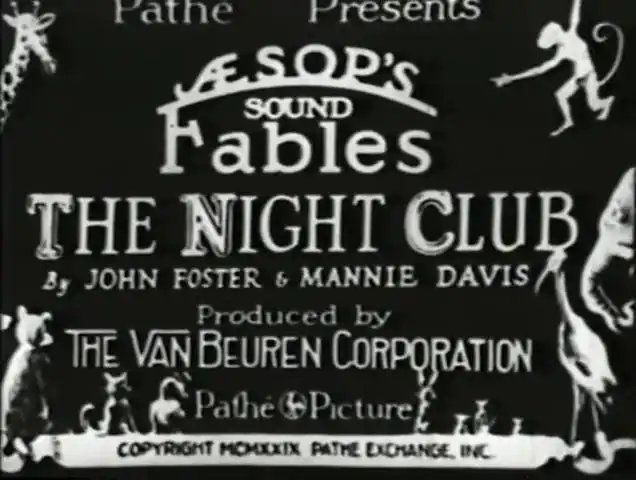
A definitive 5.3/10 rating for a film that redefined the boundaries of cult cinema. Night Club remains a cornerstone of transgressive art.
Alright, so 'Night Club.' Is this one for your Saturday night? Probably not, unless your Saturday night involves a deep dive into forgotten cinematic corners. If you’re the type who gets a kick out of seeing how films used to stumble and shine, you might find a strange, almost hypnotic charm here. But if you’re hoping for anything fast-paced, modern, or even just, well, _polished_, then honestly, skip it. You’ll just get frustrated. This is really for the niche crowd, the folks who truly dig into film history, not just what’s trending.
The whole thing kind of centers around Mannie Davis as Max, the club owner. He’s got this perpetually worried look, like he’s just waiting for the next shoe to drop. Which, let’s be honest, it usually does. The club itself feels… _lived in_. Not in a good way, really. More like it’s barely holding together with Scotch tape and a prayer. There’s a scene early on where a light fixture visibly flickers for a good ten seconds, and it felt less like a mood choice and more like a set malfunction they just kept filming. 🤷♀️
Then enters John Foster, playing Jimmy, a singer with a voice that, even through the scratchy audio, you can tell is meant to be pretty good. He’s all smiles and swagger. And, boy, does he have swagger. His first performance? He just kinda _walks_ onto the stage. No grand entrance, no spotlight cue. Just a guy strolling out like he’s heading to the kitchen. It’s almost endearing in its lack of fuss.
The core of the movie, if you can call it that, revolves around Max trying to keep his club from going under, and Jimmy’s arrival shaking things up. There’s a subplot about a rival club trying to poach talent, which feels a bit tacked on. Like, suddenly, a character we barely know shows up and says, "I’m from the Cat's Whiskers, we want your singer!" and then just… leaves. No follow-up for a long while. It’s a peculiar rhythm.
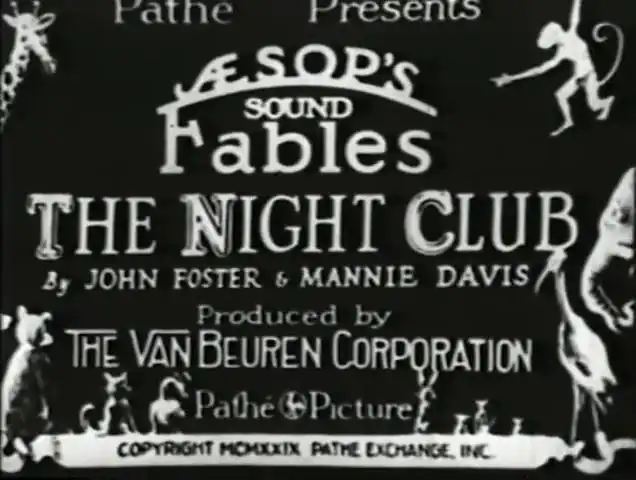
One thing that really stuck with me was this one dance number. It’s just Jimmy and a couple of background dancers, and their routine is so earnest, so _stiff_. You can see them counting the beats in their heads, almost. It’s not graceful, but there’s a genuine effort there. Especially one dancer, whose facial expressions are just _everything_. She’s trying so hard to look glamorous, but she just looks utterly exhausted. Bless her heart.
Max’s interactions with his staff are another highlight. He barks orders, but it’s clear he cares. There’s a moment where he hands a waitress a crumpled bill and just says, "Get yourself something nice." No big speech, no drama, just a quiet kindness. That felt real. More real than some of the overly dramatic scenes, actually.
And let’s talk about the pacing. Sometimes it’s surprisingly quick, then it just… _drags_. There’s a scene where Jimmy is just looking out a window for what feels like a full minute. Nothing happens. No inner monologue, no dramatic shift in light. Just staring. You start to wonder if the camera operator forgot to say "cut." Then, bam, suddenly we’re in a heated argument about a misplaced hat. It keeps you on your toes, I guess?
The ending is a bit rushed, tying things up a little too neatly after all the meandering. But you know what? It leaves you with this odd feeling. Not necessarily a great film, not even a particularly good one by modern standards. But it’s a film that exists. It’s a film that people made, with whatever they had, back when they were figuring out how to tell stories on screen. And there’s something quite admirable in that messy, imperfect effort.
IMDb —
1922
Community
Log in to comment.