DbcultAccessing Vault...
8.7/10
Senior Film Conservator
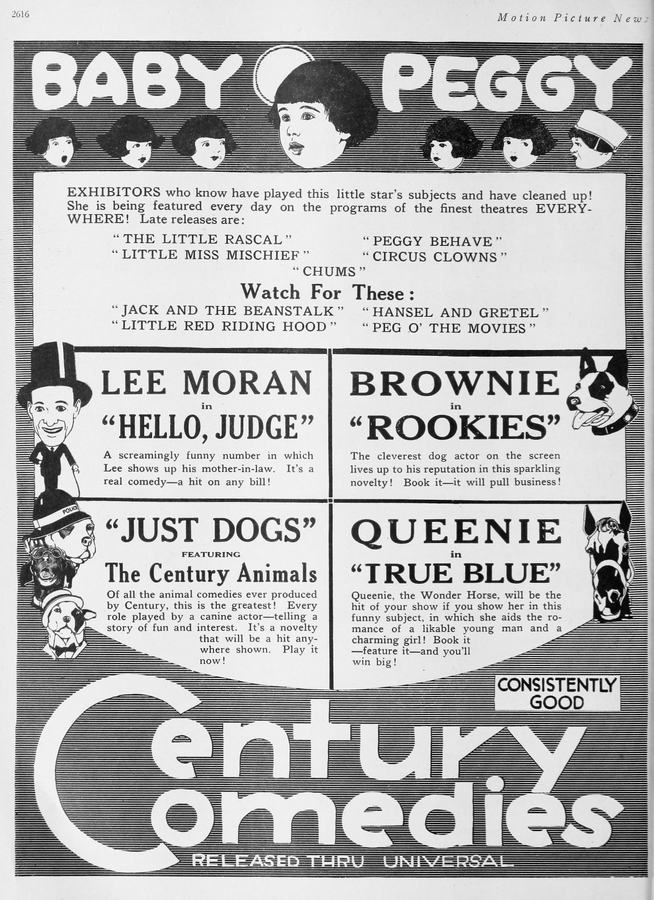
A definitive 8.7/10 rating for a film that redefined the boundaries of cult cinema. The Little Rascal remains a cornerstone of transgressive art.
A nitrate grenade lobbed into the parlor of propriety—Gillstrom’s one-reel riot feels fresher than most 2023 streaming farces.
In the flickering twilight of silent cinema, where shadows speak louder than dialogue, The Little Rascal arrives like a hand-painted firecracker: brief, incandescent, and perilously inclined to singe the fingertips of anyone who underestimates its bite. Baby Peggy—four decades before Shirley Temple would patent the dimpled market—commands the frame with the unfiltered ferocity of a kitten let loose in a room lined with canaries. The plot, gossamer as it is, merely supplies scaffolding for her gleeful sabotage: doting parents (Blanche Payson and Fred Spencer) construct a gilded microcosm of safety; their offspring dismantles it brick by brick, giggle by giggle.
Gillstrom’s direction, often dismissed as utilitarian, here approaches proto-surrealist choreography. Watch how he blocks the parlor scene: the camera static yet breathing, a plush rug center stage, a vase poised like a monarch on a porcelain throne. Enter the rascal—diapered dynamo—who waddles in at a diagonal, a geometric disruption. The moment stretches; the audience anticipates the crash, but Gillstrom withholds, letting tension coil until the inevitable detonation becomes a comedic basso profundo. It’s Eisensteinian montage inverted: not dialectical collision but delayed gratification, a suspense so primal even toddlers sense it.
Comparisons? Consider The Infant-ry, another tot-centric romp that mistakes cuteness for character. Where that short flattens its juvenile lead into a mere prop for adult foils, The Little Rascal weaponizes innocence. Peggy’s eyes—coal-black saucers—register every flicker of mischief, fear, triumph. She never begs for sympathy; she annexes it by coup d’état.
Blanche Payson, statuesque matron of calamity, deserves cine-sainthood for reacting not with hackneyed fluster but with operatic resignation. One gag finds her cradling a shattered heirloom; instead of the expected shriek, she exhales a silent sigh so heavy it seems to warp the very nitrate. Fred Spencer, meanwhile, embodies patriarchal entropy: his waistcoat inflates, watch-chain snaps, top-hat wilts—every accessory subjected to toddler terrorism. Their performances serve as reminder that silent acting, at its apex, was not exaggerated pantomime but distilled emotion, a kinetic language lost to the talkie tsunami.
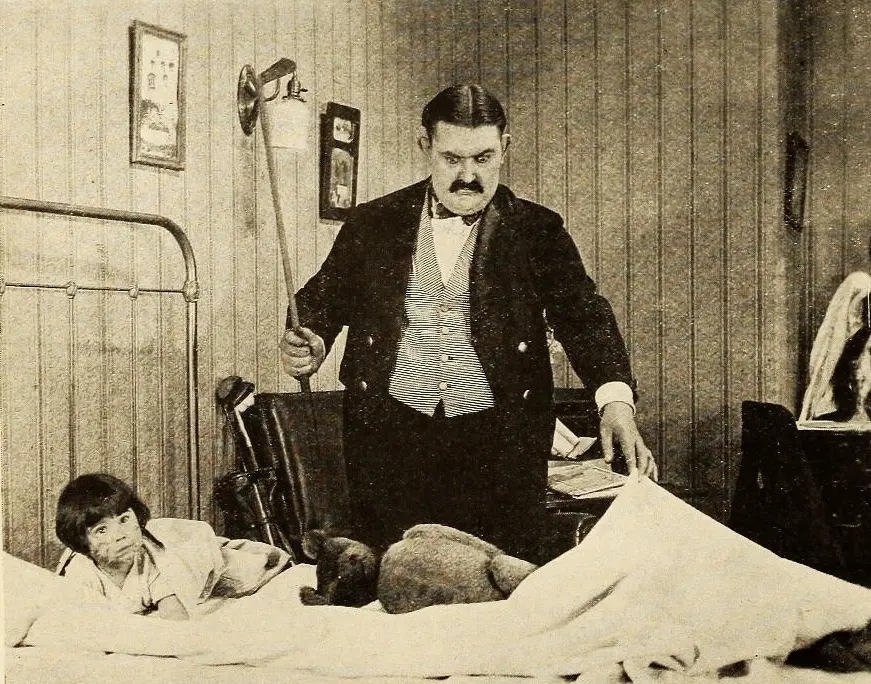
Technically, the short flirts with genius. A low-angle shot as Peggy scales a bookshelf transforms mahogany into vertiginous cliff face; the reverse angle—from her POV—renders parental faces looming gargoyles. Depth of play, not depth of field, births immersion. Intertitles, scant and handwritten, appear on children’s stationery bordered by stick-figure doodles, a metatextual wink that the film’s true author is its protagonist.
Yet beneath slapstick beats a subversive heart. The 1920s nursed anxieties about flappers, jazz, loosening morals; The Little Rascal distills that cultural vertigo into a single diapered rebel. She is flapper-before-flapper, roaring before the decade roared. When she commandeers her father’s fountain pen to graffiti the nursery wall, she’s not merely naughty—she’s rewriting property rights, declaring domestic space contested territory. Modern viewers may detect whiffs of gender commentary: a female child seizing agency in an era that would soon market dollhouses to girls and chemistry sets to boys.
Conversely, the film refrains from overt moral correction. No spanking, no soap-to-mouth; the parents’ ultimate revenge is exhaustion, not punishment. That restraint feels radical beside contemporaries like The Ten Dollar Raise, where narrative closure demands hierarchical reaffirmation. Here, chaos simply curls up for naptime, leaving the survivors to sweep porcelain shards and, perhaps, question the fragility of their curated lives.
Cinephiles hunting lineage will spot DNA strands in everything from Home Alone’s sadistic playfulness to The Simpsons’ Maggie-governed mayhem. Yet few descendants match the original’s concision; bloated blockbusters forget that ninety seconds of perfectly timed anarchy can eclipse ninety minutes of CGI demolition.
Restoration status? Prints float in public-domain limbo, digitized by archives willing to brave legal fog. Image quality varies—some versions bear mosquito-speck scratches, others glow with amber clarity. Even battered, the short’s comic timing survives, testament to Gillstrom’s sturdy visual grammar. Seek the 2016 Library of Congress scan if possible; its grayscale gradations reveal background gags previously swallowed by murk: mother’s reflection in the mirror doubling her exasperation, the dog’s side-eye as Peggy brandons scissors like a barber-surgeon of fate.
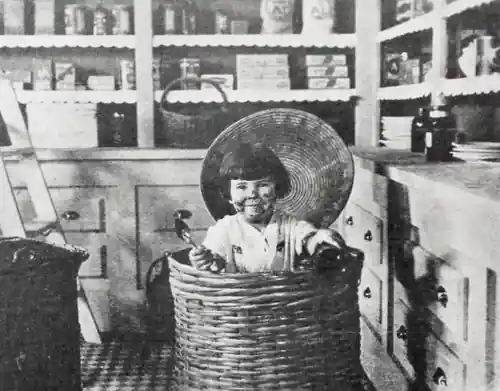
Soundtracks, though anathema to purists, occasionally accompany festival screenings. Choose the 2021 piano score by Guenter Buchwald—its jaunty dissonances echo the child’s unpredictability—over synth-heavy mashups that mistake nostalgia for gimmickry. Silence, however, remains sovereign; watch it muted on a laptop at 3 a.m. and you’ll still laugh aloud, proof that true comedy predates Dolby.
Scholars of child stardom should juxtapose this with Baby Peggy’s tragic biography: exploited by producers, swindled out of earnings, reduced to carnival tours by adolescence. The on-screen rascal’s sovereignty contrasts brutally with off-screen captivity, transforming each prank into a fleeting assertion of autonomy. The film becomes both joyride and elegy—humor laced with arsenic awareness of what the industry devours.
For viewers unversed in silent shorts, approach as you would a lyric poem: attune to rhythm, refrain, image. Do not binge; savor between longer works—perhaps after The Shadow of a Doubt’s Hitchcockian suspense or The Phantom Foe’s serial thrills—to cleanse palate with distilled whimsy.
Marketing departments, then and now, mislabel it mere kid fodder. Wrong. The Little Rascal is a manifesto of miniature rebellion, a Rosetta Stone for understanding how comedy can weaponize cuteness without curdling into cloying slush. Watch it once for laughs, twice for technique, thrice for the sobering realization that civilization’s most fortified citadels—parlor, nursery, heart—can be toppled by a twenty-pound general with frosting in her hair.
Verdict: a pocket-sized masterpiece that still outruns time’s erasure. Stream, study, cherish—before the final reel of nitrate dissolves into myth.
IMDb —
1917
Community
Log in to comment.