DbcultAccessing Vault...
6/10
Senior Film Conservator
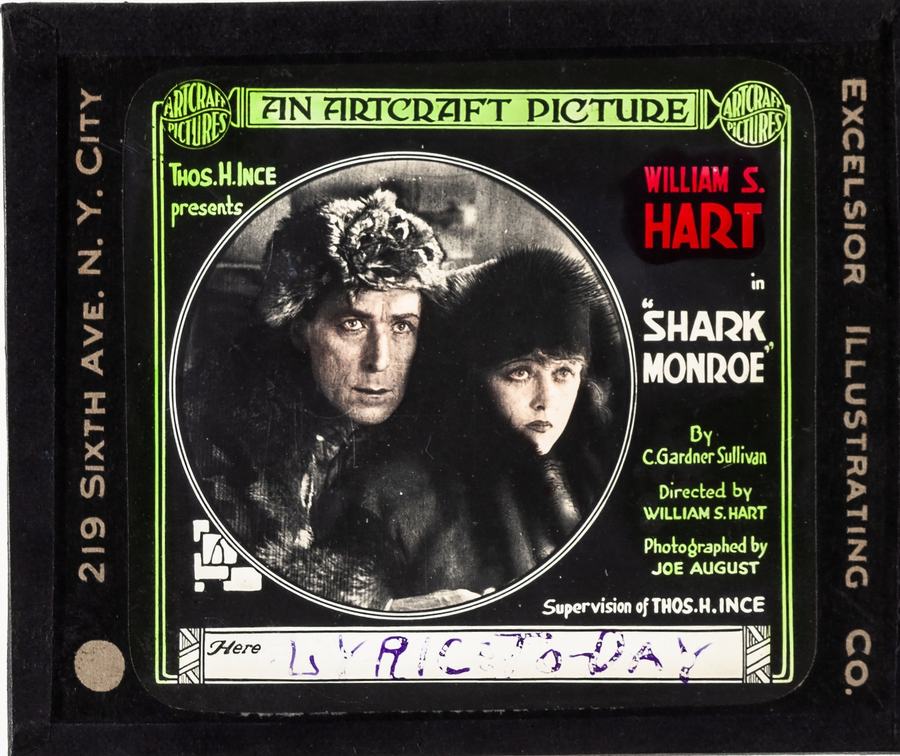
A definitive 6/10 rating for a film that redefined the boundaries of cult cinema. Shark Monroe remains a cornerstone of transgressive art.
When we peer through the celluloid fog of 1918, few figures loom as large or as perpetually weathered as William S. Hart. In Shark Monroe, Hart eschews the dusty plains of the West for the salt-caked rigging of an Alaskan sealing vessel, yet the thematic core remains quintessentially 'Hartian.' This is a film that breathes the cold air of the North, a narrative that values the silent gaze over the superfluous title card, and a work that cements C. Gardner Sullivan’s reputation as a screenwriter of psychological depth.
The character of 'Shark' Monroe is introduced not with a flourish, but with the heavy gravity of a man who has long since abandoned the social niceties of the lower forty-eight. Hart’s performance is a masterclass in restrained masculinity. Unlike the more flamboyant heroes of the era, Monroe is a creature of utility. His ship is his kingdom, and his word is the only law that matters in the lawless reaches of the Alaskan coast. This setting provides a stark contrast to the urban domesticity seen in contemporary works like The Way of a Man with a Maid, focusing instead on the primal struggle between man and the elements.
What makes Monroe compelling is his inherent duality. He is 'Shark' by name and nature—predatory, efficient, and cold. Yet, the arrival of Marjorie Hilton (played with a luminous resilience by Katherine MacDonald) serves as the catalyst for a slow, agonizing thaw. This isn't a sudden conversion to sainthood, but rather a grueling excavation of a buried conscience. The chemistry between MacDonald and Hart is built on a foundation of mutual wariness that gradually evolves into a profound, unspoken respect.
The Alaskan setting in Shark Monroe is more than just a backdrop; it is an active antagonist. The cinematography captures the isolation of the sealing vessel with a claustrophobic intensity. When the siblings, Marjorie and Webster, are left stranded, the film shifts from a maritime character study into a high-stakes survival drama. The introduction of Big Baxter, played with oily menace by George A. McDaniel, introduces the 'white slavery' trope—a common, if controversial, narrative device of the late 1910s.
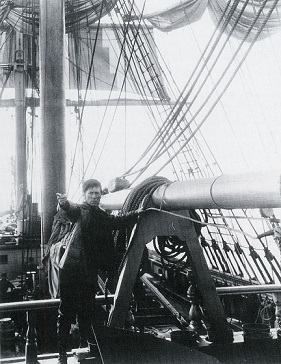
Baxter represents the rot that occurs when civilization is stripped away and only greed remains. He is the mirror image of Monroe; where Monroe is harsh but honest, Baxter is charismatic but hollow. The conflict between them is not merely over the fate of Marjorie, but over the very soul of the frontier. In this regard, the film shares a thematic kinship with The Explorer, where the boundaries of 'civilized' behavior are tested in the most extreme environments.
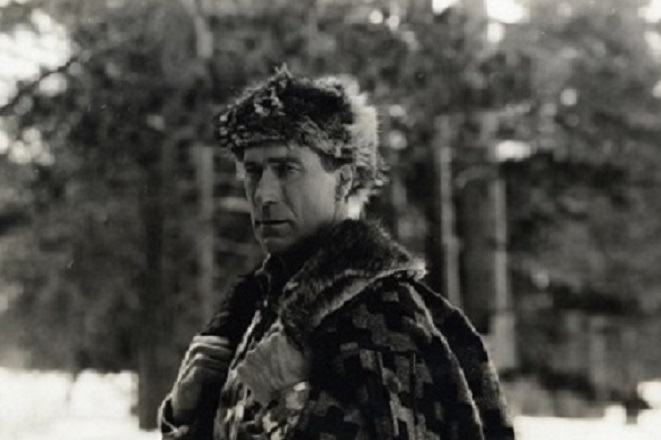
C. Gardner Sullivan was perhaps the most sophisticated writer of the silent era, and his work here is remarkably taut. He understands that in a silent medium, the environment must speak for the characters. The dialogue titles are sparse, allowing the visual storytelling to carry the emotional weight. We see Monroe’s internal struggle not through grand gestures, but through the way he adjusts his coat or the lingering look he gives the horizon. It is a far cry from the more theatrical performances found in The Clemenceau Case.
The pacing of the film is deliberate, mirroring the slow churn of a vessel through ice-choked waters. It builds toward a climax that is both physically violent and emotionally cathartic. When Monroe finally stands against Baxter, it is not just an act of chivalry; it is an act of self-reclamation. He is fighting for the man he used to be, and the man Marjorie believes he can become.
Technically, Shark Monroe showcases the rapid evolution of film language in 1918. The use of natural lighting in the outdoor Alaskan scenes provides a gritty realism that was often missing from the more stage-bound productions of the time. The framing of the sealing vessel against the vast, empty sea creates a sense of cosmic insignificance, a theme that resonates with other survivalist films like The Island of Desire.
The editing, too, is sophisticated for its era. The cross-cutting between the encroaching danger of Baxter and Monroe’s internal realization creates a palpable sense of dread. The film doesn't shy away from the ugliness of its world. The 'white slaver' subplot is handled with a grim seriousness that highlights the very real dangers faced by women in lawless territories, a stark contrast to the more whimsical adventures of The Beloved Vagabond.
William S. Hart’s 'Shark' is perhaps one of his most complex creations. He managed to portray a man who was genuinely unlikable for the first third of the film—a risky move for a major star. His Monroe is a man who has forgotten how to be kind, making his eventual softening feel earned rather than sentimental. This is the hallmark of the 'Hart' brand: the rugged individualist who finds a moral compass through the love of a 'good' woman. While this trope may feel dated to modern audiences, in 1918, it was a powerful subversion of the clean-cut hero seen in films like Bucking Broadway.
Katherine MacDonald provides the perfect foil. Known as the 'American Beauty,' she brings more than just aesthetic appeal to the role of Marjorie. She possesses a quiet strength that suggests she is more than capable of surviving without Monroe, which makes her eventual choice to stay with him all the more meaningful. She isn't just a damsel in distress; she is the moral center of the film, the gravity that pulls Monroe back into the orbit of humanity.
While the Western is often cited as the definitive American genre, the 'Northern'—films set in the rugged Canadian or Alaskan wilderness—offered a unique variation on the theme of frontier justice. Shark Monroe stands as a premier example of this subgenre. It captures the essence of the Gold Rush era’s tail end, where the promise of wealth had curdled into a daily grind for survival. It lacks the surrealism of Homunculus or the historical grandeur of Cuauhtémoc, opting instead for a grounded, tactile reality.

Looking back, one can see the influence of Monroe’s character in decades of cinematic anti-heroes. The 'man of few words' with a hidden heart of gold became a staple of the American screen, but Hart’s version feels particularly authentic because it is so inextricably tied to the harshness of the land. There is no artifice here; when Monroe looks at the sea, you believe he has spent a lifetime fighting it.
In the final analysis, Shark Monroe is a testament to the power of silent storytelling. It doesn't need explosions or rapid-fire dialogue to convey the weight of a man's soul. It relies on the landscape, the eyes of its performers, and a script that respects the audience's intelligence. It avoids the lightheartedness of Sunshine Dad or the mystery-of-the-week feel of Who Killed Simon Baird?, choosing instead to dwell in the gray areas of human morality.
For those interested in the evolution of the American hero, or for those who simply appreciate a well-crafted drama of redemption, Shark Monroe remains essential viewing. It is a film that reminds us that even in the coldest climates, the human heart has the capacity to burn with a fierce, protective light. As the credits roll—or rather, as the final iris closes—we are left with the image of a man who has conquered not just the sea and his enemies, but his own darker impulses. It is a triumph of character over circumstance, and a highlight of William S. Hart's illustrious career.
Note: While modern viewers might find the pacing of 1918 cinema a challenge, the rewards of engaging with a work like Shark Monroe are manifold. It offers a window into a world where the stakes were life and death, and where a man’s character was his only true currency. If you enjoyed this journey into the frozen North, you might also find interest in the maritime adventures of Captain Starlight or the rugged survivalism of The Girl Who Won Out.

IMDb —
1916
Community
Log in to comment.