DbcultAccessing Vault...
6.8/10
Senior Film Conservator
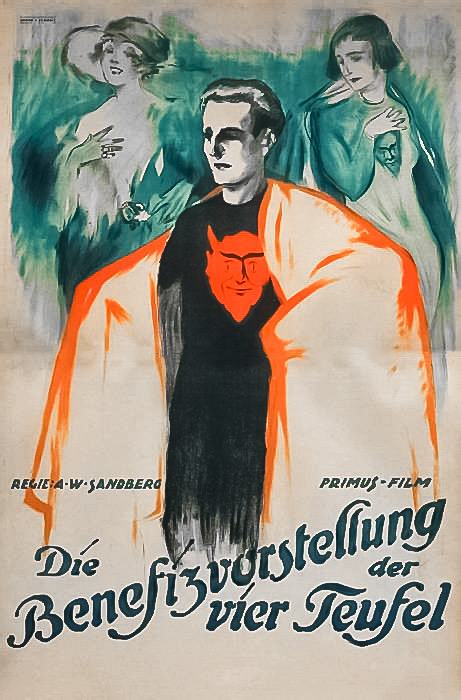
A definitive 6.8/10 rating for a film that redefined the boundaries of cult cinema. Die Benefiz-Vorstellung der vier Teufel remains a cornerstone of transgressive art.
Stepping into the flickering glow of an early 20th-century cinema, one is immediately struck by the sheer audacity and raw emotional power of a film like 'Die Benefiz-Vorstellung der vier Teufel'. This cinematic relic, a testament to the nascent artistry of the silent era, plunges us headfirst into the exhilarating yet perilous world of circus acrobats. It’s a narrative woven with threads of ambition, fleeting infatuation, and the profound, often unspoken, loyalties that bind a chosen family. Directed with a keen eye for dramatic tension and human frailty, this picture transcends its era, offering a timeless meditation on the cost of distraction and the enduring strength of camaraderie.
At its core, the film meticulously charts the trajectory of 'The Four Devils,' an acrobatic troupe whose synchronized grace and death-defying feats have made them the undisputed darlings of the sawdust ring. Their act is a symphony of trust, precision, and a collective disregard for gravity. Central to this mesmerizing spectacle is Max, portrayed with a compelling blend of charisma and vulnerability. His aerial prowess is matched only by his burgeoning self-importance, a trait that sets the stage for the unfolding drama. The ensemble, featuring the likes of Adolphe Engers, Emil Rameau, Martin Herzberg, and Vera Hella, delivers performances that, despite the lack of spoken dialogue, convey a rich tapestry of internal conflict and burgeoning desire. Each actor, through exaggerated gesture and expressive physiognomy, paints a vivid portrait of their character’s inner life, a hallmark of the period’s acting style yet executed here with commendable nuance.
The narrative truly ignites with Max's ill-fated infatuation with Baroness von Falken, a figure of ethereal beauty and aristocratic detachment. She flits through their world like a curious butterfly, drawn to the raw spectacle and Max's dangerous allure, yet utterly incapable of grasping the profound commitment and sacrifice inherent in their existence. This dynamic sets the stage for a classic silent film trope: the working-class hero ensnared by the siren call of the upper crust, often leading to tragic consequences. The Baroness, a role brought to life by an actress whose name is regrettably lost to some records, embodies the superficiality of high society, a stark contrast to the grounded, visceral reality of the circus. Her presence introduces a disruptive element, a wedge driven into the tightly woven fabric of 'The Four Devils.'
Crucially, this external distraction is amplified by the internal anguish of Anna, another member of the troupe, whose unspoken devotion to Max forms a silent counterpoint to his misguided affections. Her silent suffering, her watchful gaze filled with a mixture of love, fear, and quiet despair, is one of the film's most potent emotional anchors. It's a testament to the power of the silent medium that such profound emotional depth could be conveyed without a single spoken word, relying instead on the language of the body and the universal grammar of human emotion. The performances by Heidi Ford and Clementine Plessner, alongside Margarete Schlegel, likely contributed significantly to this rich emotional tapestry, even if specific roles aren't always clear in historical records. Their collective portrayal of the troupe’s internal dynamics provides a compelling counter-narrative to Max’s external pursuits.
The screenplay, penned by Herman Bang and Carl Rosenbaum, masterfully builds towards its climax: a pivotal benefit performance. This is not merely a show; it is a desperate gamble, a last-ditch effort to salvage the circus from the precipice of financial ruin. The stakes are astronomically high, not just for the performers, but for the entire community that revolves around the big top. The tension is palpable, expertly ratcheted up by the filmmakers, who understand that the audience's investment in the characters' fates is paramount. As Max, his mind clouded by the Baroness's intoxicating yet ultimately hollow charm, prepares for his most dangerous stunt, the air crackles with a terrible premonition. The film's visual storytelling during this sequence is particularly impactful, using close-ups and dramatic angles to emphasize the precariousness of their existence and the fragility of human ambition.
The inevitable fall is depicted with a raw, visceral impact that would have undoubtedly shocked contemporary audiences. It’s a moment of profound tragedy, a stark reminder of the unforgiving nature of their craft and the devastating consequences of a momentary lapse in concentration. But beyond the physical injury, the fall symbolizes the shattering of the troupe's unity and the painful realization of Max's misplaced priorities. It's a narrative device that echoes the moralistic undertones prevalent in many films of the era, where hubris often leads to a literal or metaphorical downfall. One might draw parallels to the dramatic tension found in films like The Avenging Conscience, where moral transgressions inevitably lead to dire consequences, or the sheer theatricality of life-and-death scenarios seen in The Dumb Girl of Portici, though 'Die Benefiz-Vorstellung' grounds its drama in the more intimate, albeit equally dangerous, world of the circus.
In the wake of the accident, the film shifts its focus from the glamour of performance to the grit of recovery and the true meaning of devotion. The Baroness, confronted with the brutal reality of pain and suffering, recoils, her superficiality laid bare. Her retreat is a quiet but powerful statement on the chasm between two worlds: one of fleeting amusement, the other of enduring struggle and genuine human connection. It's a moment that resonates with the themes of class distinction and disillusionment often explored in films of the period, albeit with a more intimate, character-driven approach than perhaps a grander social commentary like The Richest Girl might offer.
It is Anna, along with the other remaining Devils, who steps forward, embodying the spirit of unwavering loyalty. Their collective efforts to nurse Max back to health, to rekindle his spirit, and to rebuild their broken act form the heart of the film's redemptive arc. This is where the true benefit of their performance lies, not in the money raised, but in the reaffirmation of their familial bonds. The film celebrates the resilience of the human spirit and the profound strength found in unity. The portrayal of Max's recovery and the troupe's efforts to carry on, even in diminished form, is handled with a delicate touch, avoiding maudlin sentimentality in favor of a quiet, determined resolve. The nuanced performances by Victor Colani and Ernst Winar, likely as the other two Devils, would have been instrumental in conveying this sense of collective purpose and shared burden.
From a technical perspective, 'Die Benefiz-Vorstellung der vier Teufel' stands as a commendable example of early cinematic artistry. The cinematography, though bound by the limitations of the era, effectively captures the dynamic energy of the circus and the intimate emotions of its characters. The use of stage lighting, even if simulated, creates dramatic shadows and highlights that emphasize the theatricality of their lives. The set designs, particularly those depicting the circus tent and its backstage chaos, are meticulously crafted, transporting the viewer directly into this vibrant, often claustrophobic world. The film’s pacing, a crucial element in silent cinema, maintains a compelling rhythm, alternating between moments of exhilarating spectacle and quiet, contemplative drama. One can appreciate the ambition of its visual storytelling, perhaps finding echoes of the narrative drive seen in adventure serials like The Mystery of the Double Cross, but applied here to a more character-focused drama.
The direction, while not overtly flashy, demonstrates a clear understanding of how to build suspense and elicit empathy from an audience without relying on dialogue. The use of intertitles is judicious, providing just enough context without bogging down the visual flow. The film's ability to communicate complex emotional states through visual cues alone is a testament to the skill of its creators and the expressiveness of its cast, including supporting roles by Ferdinand Robert. It reminds us of the universal language of cinema, a language that transcends linguistic barriers and speaks directly to the human heart. The film manages to tell a compelling story that is both exciting and deeply moving, a balance that even many modern films struggle to achieve. Its narrative clarity and emotional resonance are particularly impressive given the technological constraints of its time, showcasing a nascent but powerful cinematic grammar.
While 'Die Benefiz-Vorstellung der vier Teufel' might not be as widely recognized as some of its more famous contemporaries, it holds a significant place in the annals of silent cinema. It captures a specific moment in cultural history, reflecting society's fascination with the circus as a symbol of both escapism and underlying danger. The film’s exploration of themes like ambition, loyalty, love, and sacrifice remains profoundly relevant, speaking to universal human experiences that transcend time and cultural shifts. It's a reminder that the stories we tell, regardless of the medium, often grapple with the same fundamental questions about identity, belonging, and the choices we make.
For aficionados of silent film, this picture offers a rich viewing experience, a window into the narrative sophistication and emotional depth that was possible even in the earliest days of the art form. It's a film that asks us to look beyond the spectacle and consider the human drama unfolding beneath the dazzling lights, much like The Sawdust Ring or The Darling of Paris, which similarly delved into the lives of performers and their intense, often tragic, emotional landscapes. It encourages us to appreciate the artistry of a bygone era, an era where storytelling relied on visual poetry and the sheer magnetic force of human performance. The film's ability to evoke strong emotions and tell a coherent, engaging story without the crutch of dialogue is a testament to the enduring power of pure cinema.
In conclusion, 'Die Benefiz-Vorstellung der vier Teufel' is far more than a historical curiosity; it is a compelling piece of cinema that continues to resonate with its timeless themes and powerful performances. It’s a film that celebrates the high-stakes world of the circus while simultaneously grounding its narrative in the very human struggles of love, ambition, and loyalty. Its artistic merit, particularly in its evocative storytelling and the compelling portrayals by its ensemble cast, secures its place as a noteworthy contribution to the silent film canon. It's a powerful reminder that even without a single spoken word, cinema can speak volumes, touching the deepest parts of our shared human experience.
Community
Log in to comment.