Summary
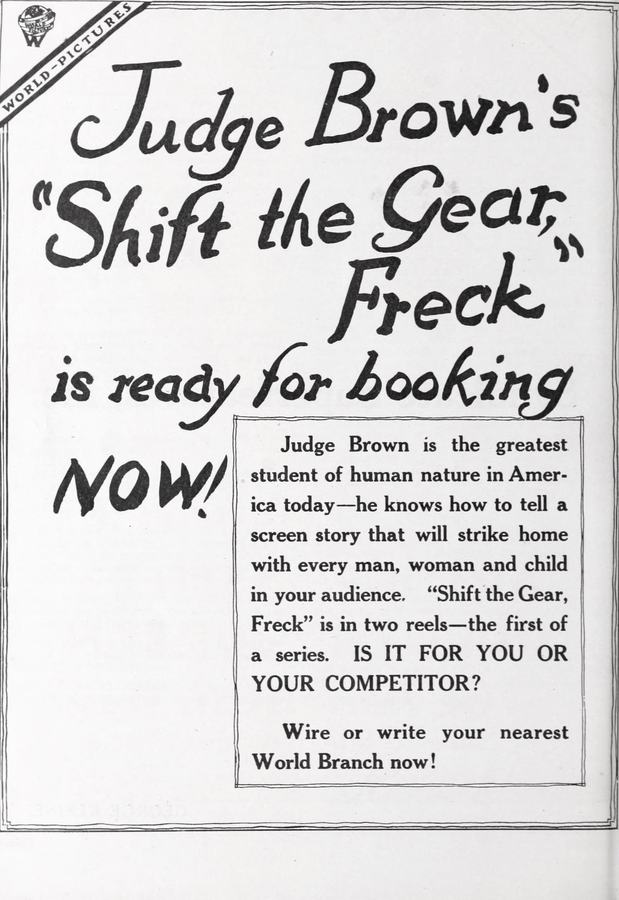
In the opening tableau, a rain‑slicked backstreet of a decaying industrial town glistens beneath flickering sodium lamps, where Freck (Ruth Hampton), a wiry, scar‑touched mechanic with an uncanny affinity for vintage transmissions, hungrily revs a battered 1974 Holden while muttering verses of a forgotten lullaby. The city’s pulse is a metronome of clanking pistons and distant sirens, a symphony that mirrors Frek’s internal discord. Ernest Butterworth Jr. enters as Milo, the charismatic owner of a derelict garage, whose polished veneer masks a labyrinth of debts and a secret liaison with a shadowy syndicate that traffics in stolen car parts. Thomas Bellamy portrays Jonas, a stoic ex‑police officer turned night‑shift security chief, whose weary eyes conceal a lingering grief over a sister vanished in the same alleyways that now cradle Freck’s ambitions.
The narrative accelerates when Milo commissions Freck to retrofit a clandestine race car, a sleek, midnight‑black machine christened "The Siren," designed to outpace the city’s notorious underground circuit. As Freck disassembles the chassis, she discovers an encrypted diary hidden within the dashboard, chronicling the tragic love affair of a former driver named Lila, whose fate was sealed by a betrayal that echoes in the present. The diary becomes a narrative conduit, interweaving Lila’s 1970s odyssey with Freck’s present‑day quest for autonomy.
Milo’s ulterior motives surface when he pressures Freck to embed a covert tracking device, intending to sell the car’s performance data to a rival syndicate. Freck, torn between survival and integrity, clandestinely removes the device, substituting it with a self‑destruct sequence that will ignite the engine should the car be commandeered. Jonas, observing the escalating tension, offers Freck his protection in exchange for her testimony against Milo’s network, revealing his own vendetta: Milo was responsible for the night his sister vanished, a truth he has concealed for years.
The climactic night race erupts on a derelict dockyard, illuminated by a kaleidoscope of neon and the ghostly glow of phosphorescent algae in the water. Freck, now at the helm of The Siren, confronts Milo’s hired driver, a hulking figure named Bronte, whose brute force is contrasted by Freck’s delicate, almost lyrical manipulation of gear shifts. The race becomes a choreography of metal and will, each gear change a stanza in a poem of defiance. As the finish line looms, the self‑destruct fails, triggering instead a cascade of sparks that expose the hidden tracking device, broadcasting Milo’s illicit transactions to the city’s surveillance grid.
In the aftermath, Milo is apprehended, Jonas reconciles with his lingering grief, and Freck, having reclaimed agency over her craft, decides to transform the garage into a community workshop, honoring Lila’s memory by teaching displaced youth the art of mechanical restoration. The final frame lingers on Freck’s hands, oil‑stained yet steady, as she slides a fresh gear into place, the engine humming a promise of rebirth.
Review Excerpt
"
Overview
Shift the Gear, Freck thrusts the viewer into a rain‑soaked industrial suburb where the clang of wrenches and the roar of engines compose a relentless soundtrack. Ruth Hampton’s Freck is introduced amid a cascade of oil‑slicked neon, her hands already fluent in the language of gears. The film’s opening sequence functions as a visual poem, each frame calibrated like a precision‑cut piston, establishing a world where machinery is both salvation and shackles.
Performances
Hampton delivers..."