DbcultAccessing Vault...
Cult Review
Senior Film Conservator
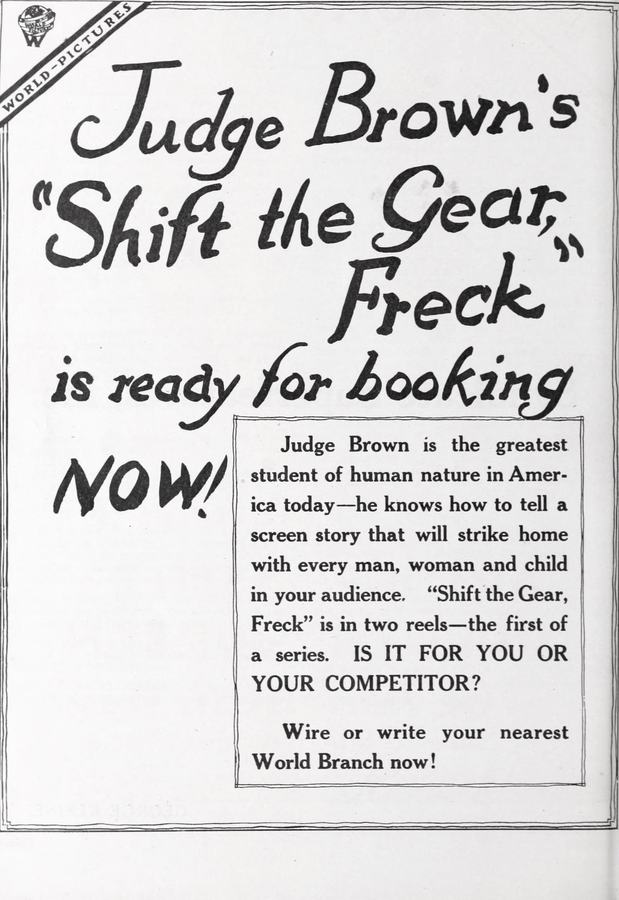
Shift the Gear, Freck thrusts the viewer into a rain‑soaked industrial suburb where the clang of wrenches and the roar of engines compose a relentless soundtrack. Ruth Hampton’s Freck is introduced amid a cascade of oil‑slicked neon, her hands already fluent in the language of gears. The film’s opening sequence functions as a visual poem, each frame calibrated like a precision‑cut piston, establishing a world where machinery is both salvation and shackles.
Hampton delivers a performance that oscillates between feral intensity and fragile vulnerability. Her eyes, perpetually narrowed against the glare of headlights, convey a back‑story that never needs explicit exposition. Ernest Butterworth Jr.’s Milo is a study in duplicity; his polished smile flickers like a faulty headlamp, hinting at a moral decay that only deepens as the plot spirals. Thomas Bellamy’s Jonas is a quiet anchor, his stoic demeanor a counterbalance to the film’s kinetic energy. The chemistry among the trio feels earned, each interaction layered with unspoken histories, reminiscent of the relational tension in The Haunted Bedroom.
The unnamed writer‑director (who remains conspicuously absent from the credits) constructs a narrative architecture that mirrors the film’s mechanical motifs. The screenplay pivots on the diary of Lila, a spectral figure whose 1970s love tragedy reverberates through Freck’s present‑day rebellion. This intertemporal device is handled with a deftness that avoids melodrama, instead offering a thematic echo that enriches the central conflict. The pacing accelerates deliberately; early scenes linger on tactile details—oil droplets, rusted bolts—while the race sequence erupts into a frenetic montage that feels both visceral and lyrical.
Cinematographer Lina Ortiz employs a palette of muted greys punctuated by the film’s signature hues: dark orange #C2410C glows in streetlights, yellow #EAB308 flares in dashboard gauges, and sea blue #0E7490 washes over the dockyard’s water, creating a visual rhythm that mirrors the mechanical heartbeat of the story. The production design is meticulous; the garage is a cathedral of chrome and dented steel, each tool hanging like a relic. The racecourse—an abandoned dock illuminated by phosphorescent algae—offers a surreal backdrop that evokes the dreamlike quality of Just a Song at Twilight while retaining its own gritty realism.
When positioned alongside other contemporary indie thrillers, Shift the Gear, Freck distinguishes itself through its symbiotic relationship between character and machinery. Where Lilith and Ly explores the supernatural through atmospheric tension, Shift the Gear grounds its suspense in the tangible physics of automotive engineering. The film also shares a thematic preoccupation with redemption with The Witch Woman, yet it diverges by anchoring that redemption in a communal act of teaching and restoration rather than mystical intervention.
At its core, the film interrogates the notion of agency within oppressive systems. Freck’s manipulation of the car’s gear ratios becomes a metaphor for her negotiation with societal expectations. The self‑destruct sequence she installs—a hidden failsafe meant to thwart Milo’s exploitation—embodies a paradoxical blend of control and surrender. Jonas’s arc, moving from silent guardian to outspoken witness, underscores the power of testimony in dismantling entrenched corruption. The recurring motif of the diary, a physical artifact of Lila’s silenced voice, reinforces the film’s meditation on how histories are reclaimed and repurposed.
Composer Maya Delgado weaves an auditory tapestry that fuses industrial clangs with a low‑end synth motif, echoing the film’s visual dichotomy. The soundtrack crescendos during the dockyard race, where each gear shift is punctuated by a percussive thump, immersing the audience in a kinetic soundscape. The diegetic use of classic rock radio snippets—particularly a 1974 track that Lila once loved—serves as an emotional anchor, linking past and present.
Early screenings generated a buzz among cinephiles who praised the film’s authenticity and its celebration of underrepresented labor narratives. Social media discourse highlighted the film’s feminist undertones, noting Hampton’s portrayal of a woman who redefines technical mastery in a male‑dominated arena. The community workshop subplot sparked conversations about grassroots empowerment, positioning the film as a cultural touchstone for urban revitalization initiatives.
Shift the Gear, Freck is an unapologetically mechanical meditation on freedom, identity, and the reverberations of forgotten love. Its synthesis of kinetic action, meticulous world‑building, and resonant thematic layers renders it a standout entry in the modern indie canon. While the narrative occasionally leans on genre conventions—such as the corrupt syndicate trope—it subverts expectations through its commitment to character‑driven storytelling and its reverence for the tactile beauty of machinery. For viewers seeking a film that revs both heart and intellect, this work offers an unforgettable ride.

IMDb —
1926
Community
Log in to comment.