DbcultAccessing Vault...
Cult Review
Senior Film Conservator
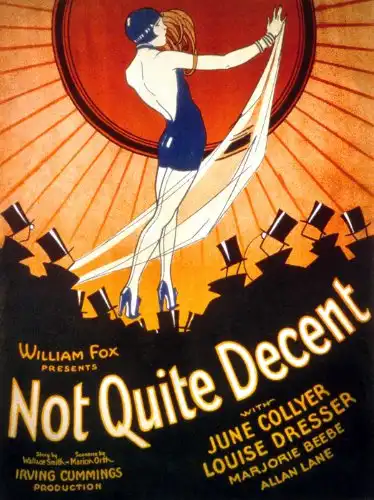
If you have a soft spot for those old-school melodramas where everyone is making a huge, secret sacrifice, this is probably worth your time. It is perfect for a rainy afternoon when you want to feel a little bit sad but not devastated. You will probably hate it if you can't stand theatrical 1920s acting or if you get annoyed when characters refuse to just have a normal conversation to fix their problems. 🙄
Linda is heading to New York to be a star. It is the plot of about half the movies from this era, but June Collyer makes it work with those giant eyes of hers. She looks like she has never seen a skyscraper before, which is probably true for the character.
She ends up at this nightclub where she meets Mame, played by Louise Dresser. Mame is a singer who looks like she’s been awake since 1912 and hasn't had a good nap since. Honestly, Dresser is the best thing in this movie by a mile.
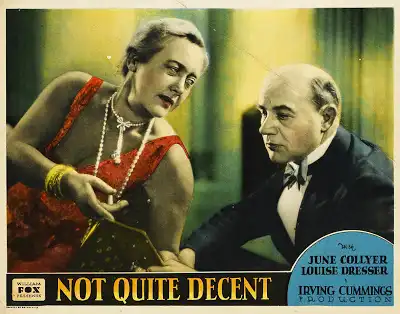
She has this way of leaning against the piano that feels heavy. Like her back actually hurts from standing in heels all night under those hot lights.
Then there is Paul Nicholson. The funny thing is that the actor's name is also Paul Nicholson. I don't know if that was a lack of imagination or just a weird coincidence on the set.
He is the "angel," which in 1929 was just code for a rich guy who wanted to buy his way into a young girl's life. He has this oily energy that makes you want to reach into the screen and push him away from Linda.
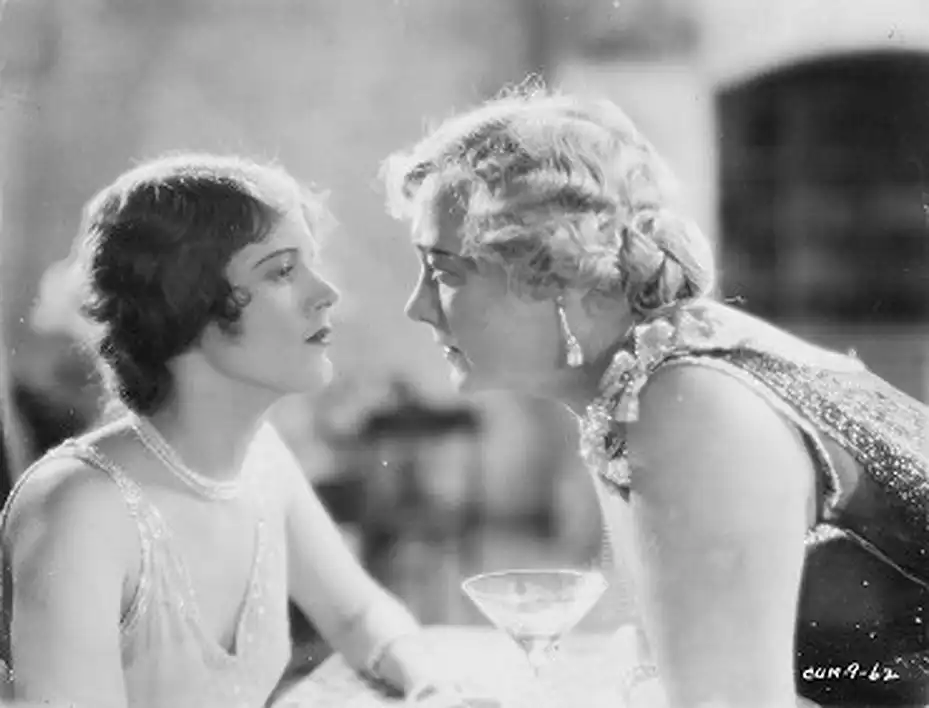
Mame figures out pretty quickly that Linda is the daughter she lost years ago. Pious relatives took her away, which is a classic trope that still kind of works here. The moment Mame realizes the truth isn't some big explosion of noise.
She just gets this hollow, quiet look in her eyes. It’s a lot more effective than the over-the-top stuff you see in movies like Tenderloin. In that one, everything is dialed up to eleven all the time.
Mame decides to protect Linda from the creepy rich guy. She uses her "wiles," which mostly involves looking glamorous and being smart enough to see through Paul's nonsense.
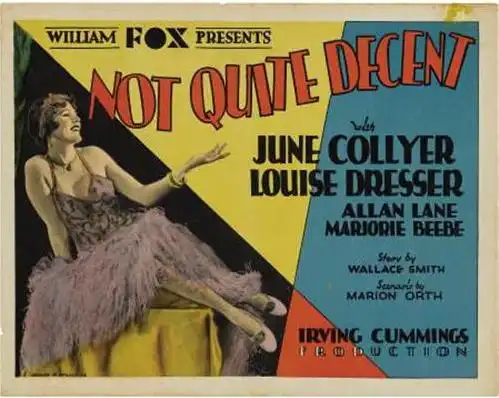
When Mame realizes she can't protect Linda on her own, she sends for Jerry Connor. He is the small-town sweetheart. He’s played by Allan Lane, and he is... fine. Just fine.
He looks like he should be holding a pitchfork at all times. He has absolutely zero chemistry with Linda, though. It feels more like he’s her older brother coming to pick her up from a party that went on too long.
I kept thinking about Midnight Molly while watching their scenes. There is a similar vibe of the past trying to catch up with people who just want to move on.
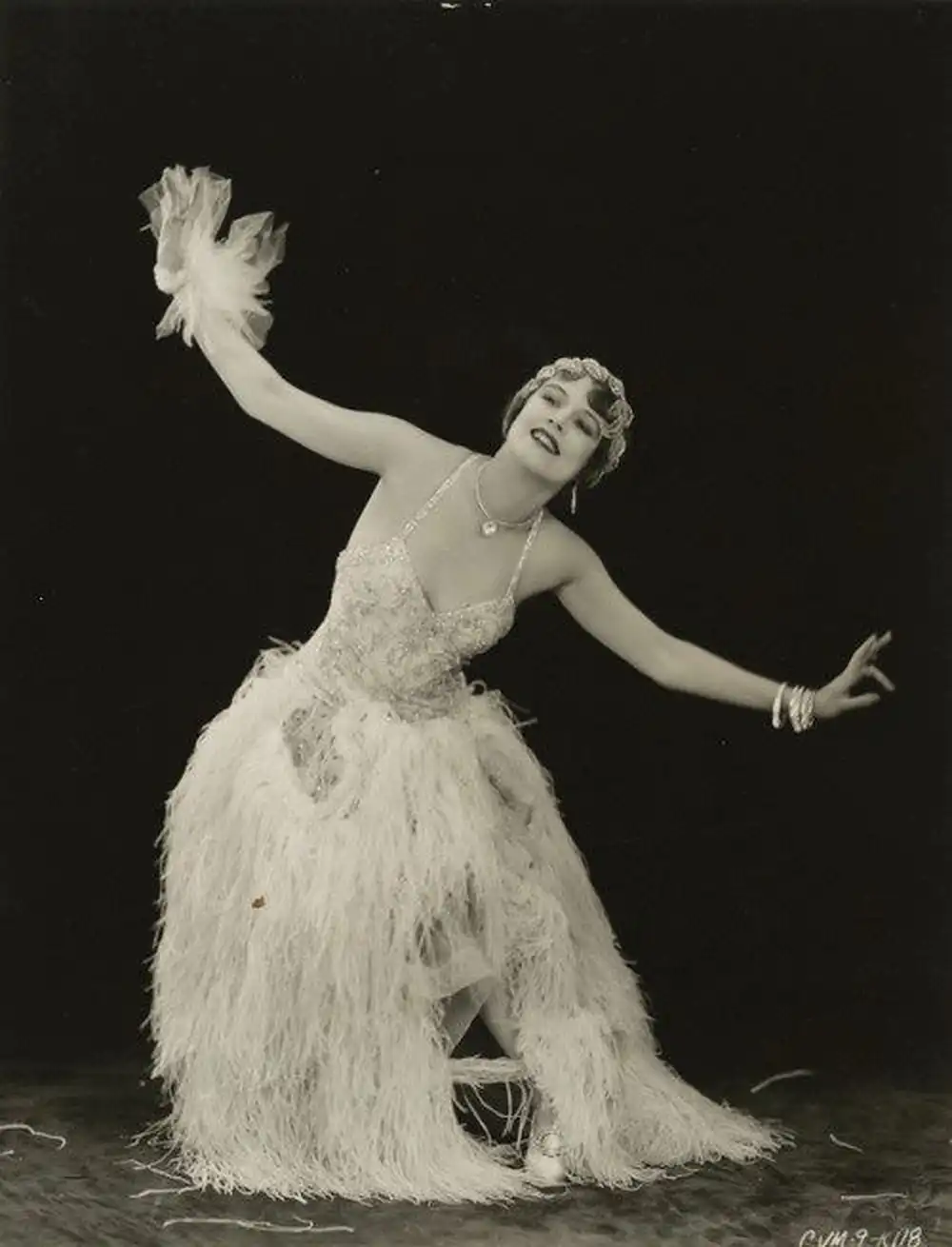
The ending is where the movie really leans into the sadness. Mame does the "noble" thing and sends Linda back home with Jerry. She never tells her the truth.
She just watches them walk away and then goes back to singing in her smoky room. It is a bit of a cliché, sure. But Louise Dresser makes you feel the weight of it.
The final shot of her face is actually quite haunting. She looks older and more tired than ever. It’s a real bummer, but it’s the kind of bummer that feels right for the story.
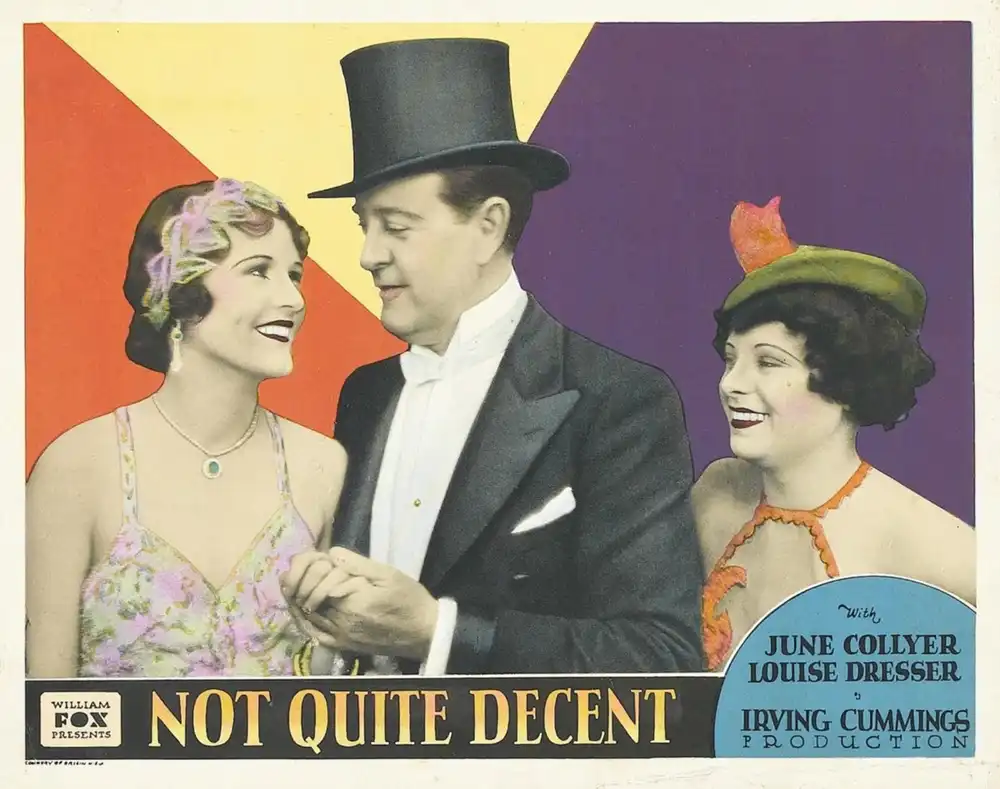
If you’ve seen Day Dreams, you know how these old films can sometimes feel like a fever dream. This one isn't quite that strange, but it has its moments of weirdness.
The dialogue is stiff, especially when the characters are trying to be serious. "I must save her from herself!" kind of stuff. It lacks the messy energy of Married?, which was just all over the place in a fun way.
Overall, it is a decent watch. It isn't a masterpiece, but it’s a good look at how they used to do these mother-daughter stories before everything got so complicated. Just bring some tissues and maybe some earplugs for those loud ice cubes. 🥃

IMDb 6.5
1937
Community
Log in to comment.