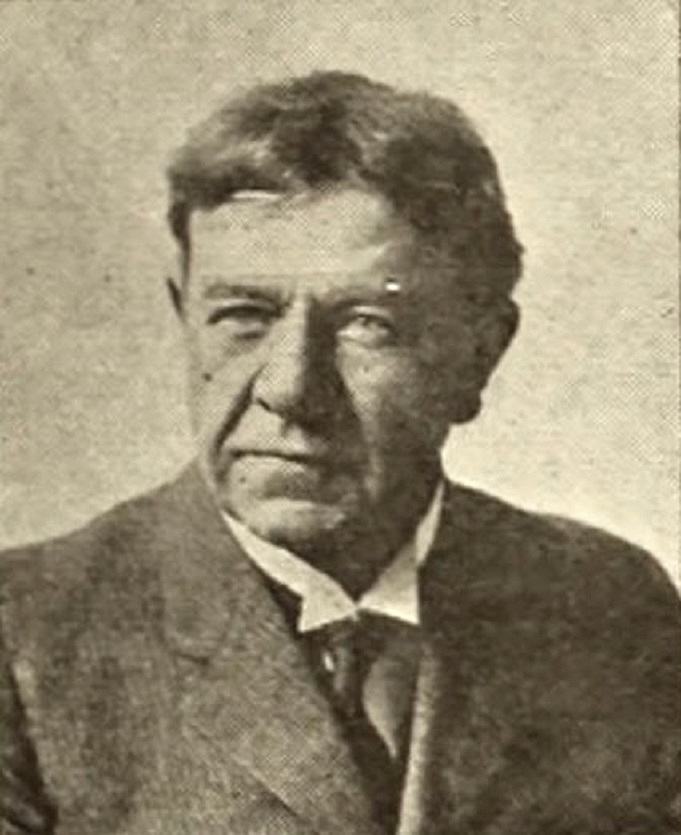
George Fawcett
actor, director
- Birth name:
- George Deneale Fawcett
- Born:
- 1860-08-25, Alexandria, Virginia, USA
- Died:
- 1939-06-06, Nantucket, Massachusetts, USA
- Professions:
- actor, director
Biography
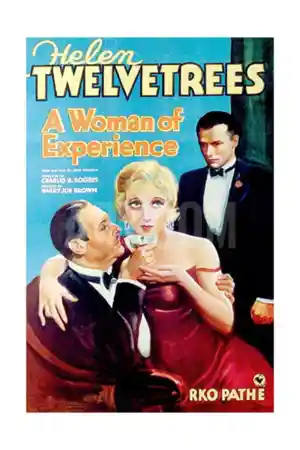
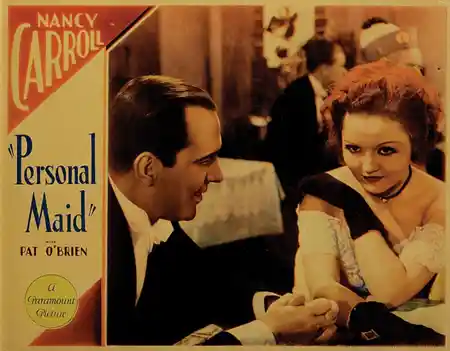
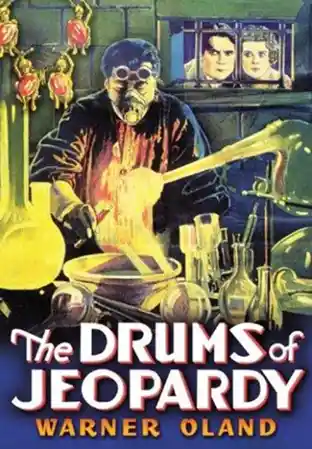
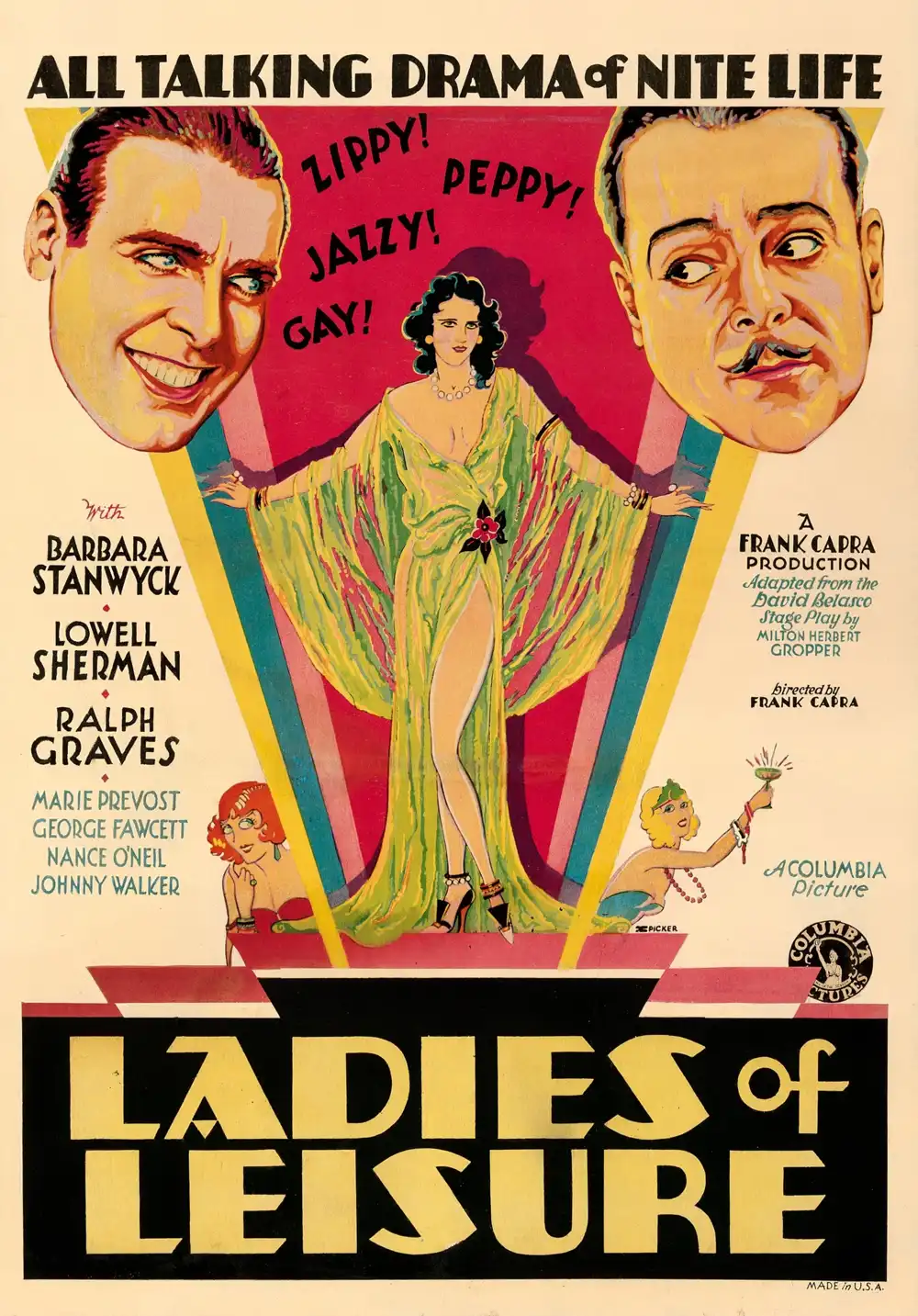
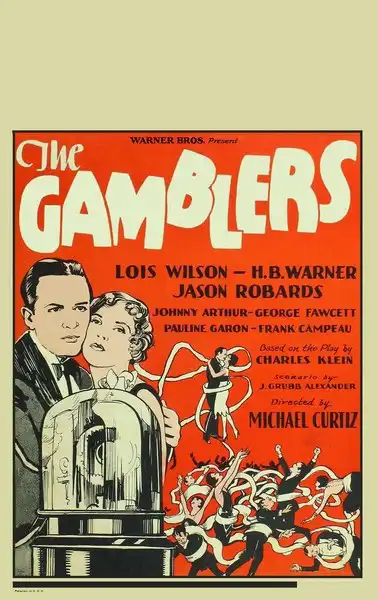
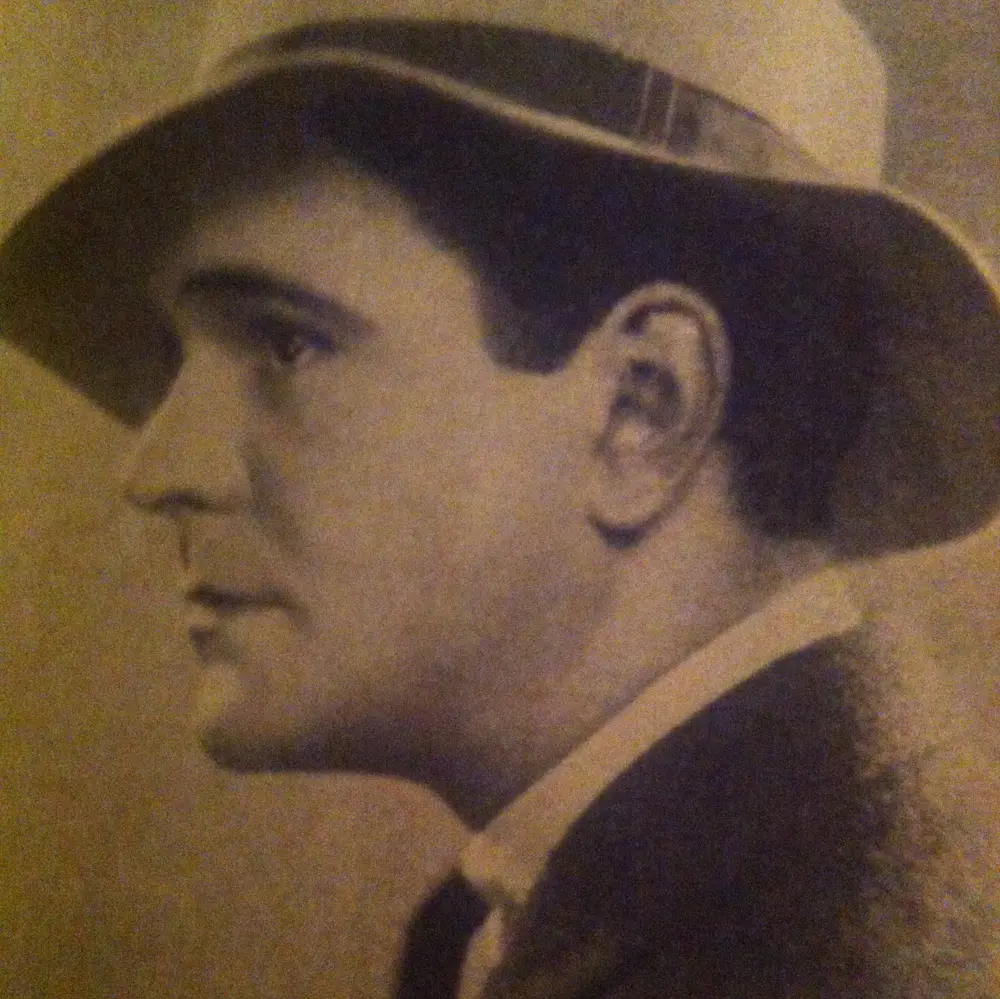
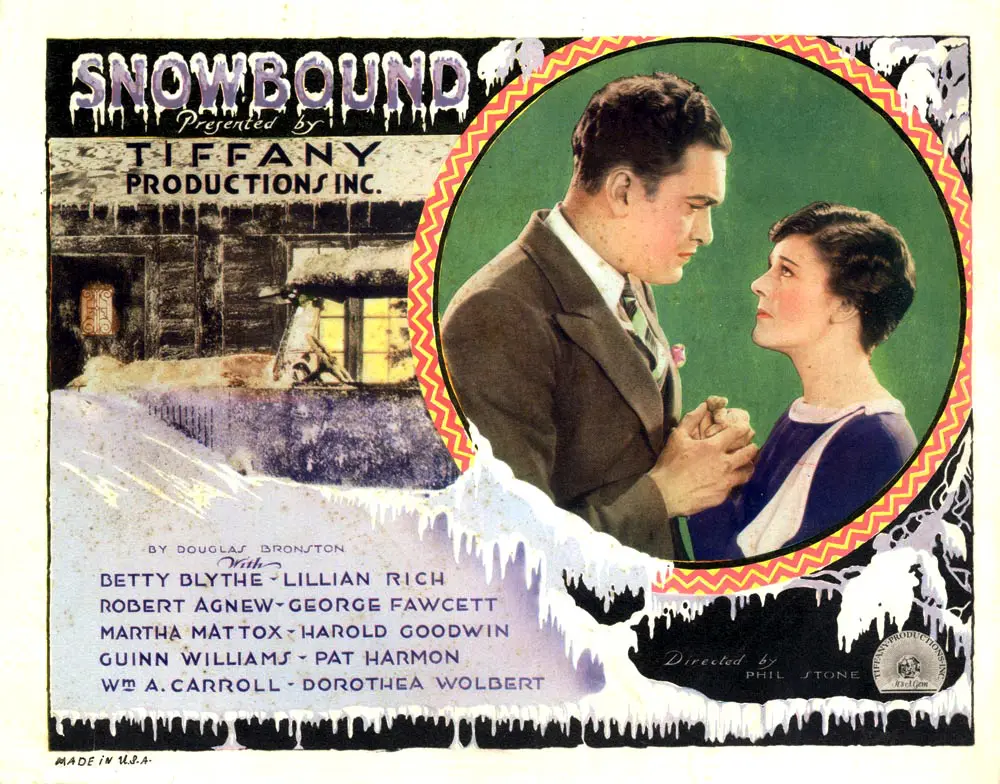
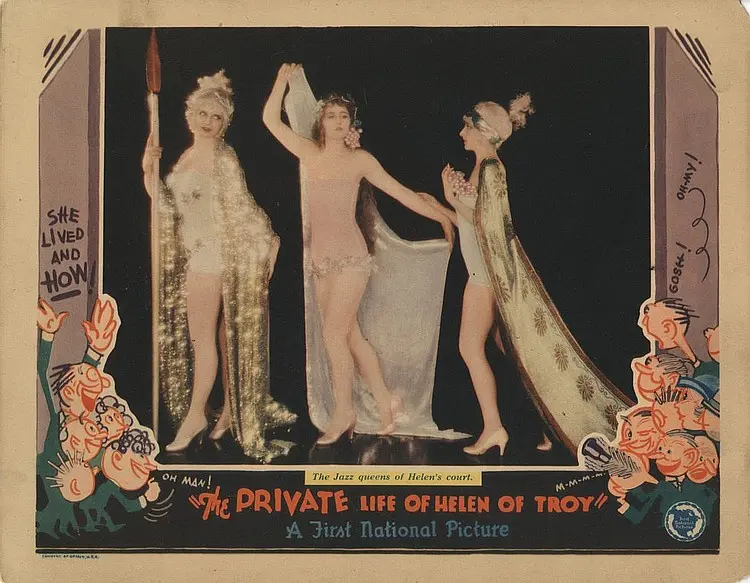
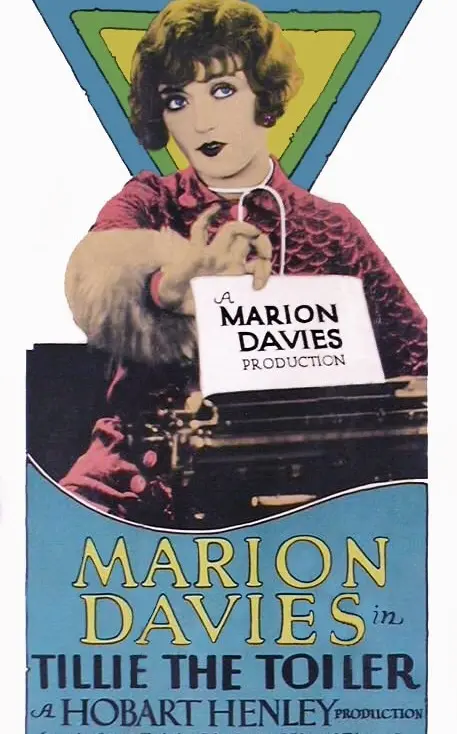
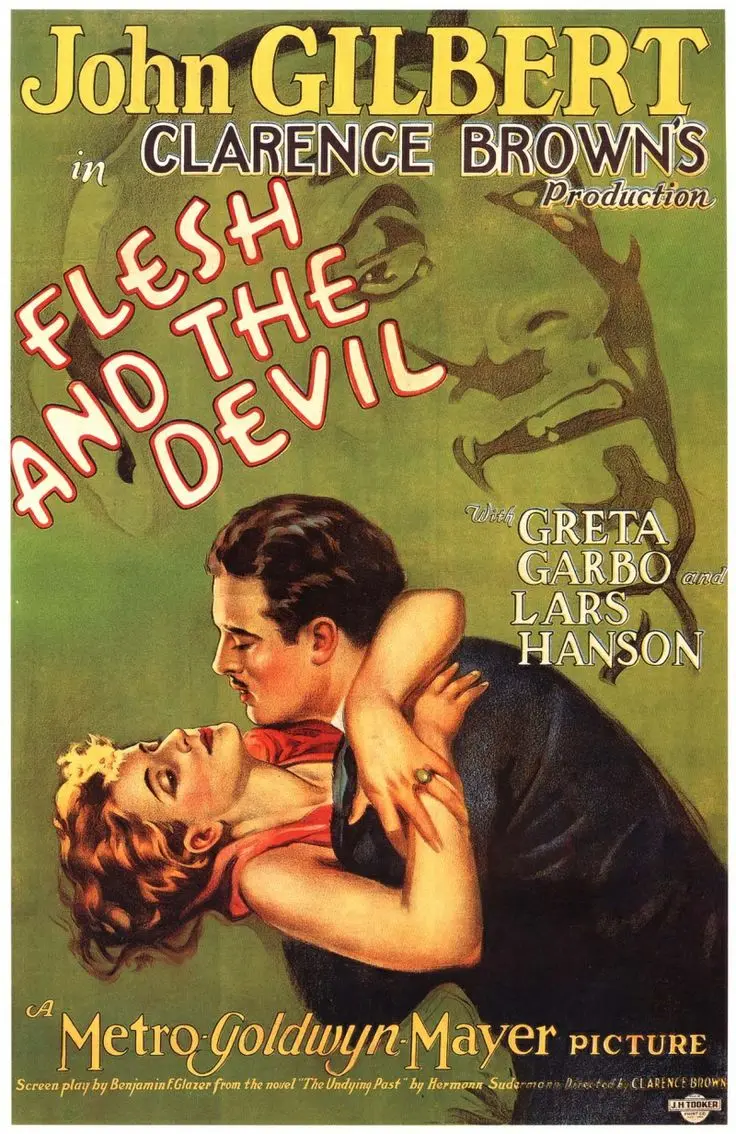
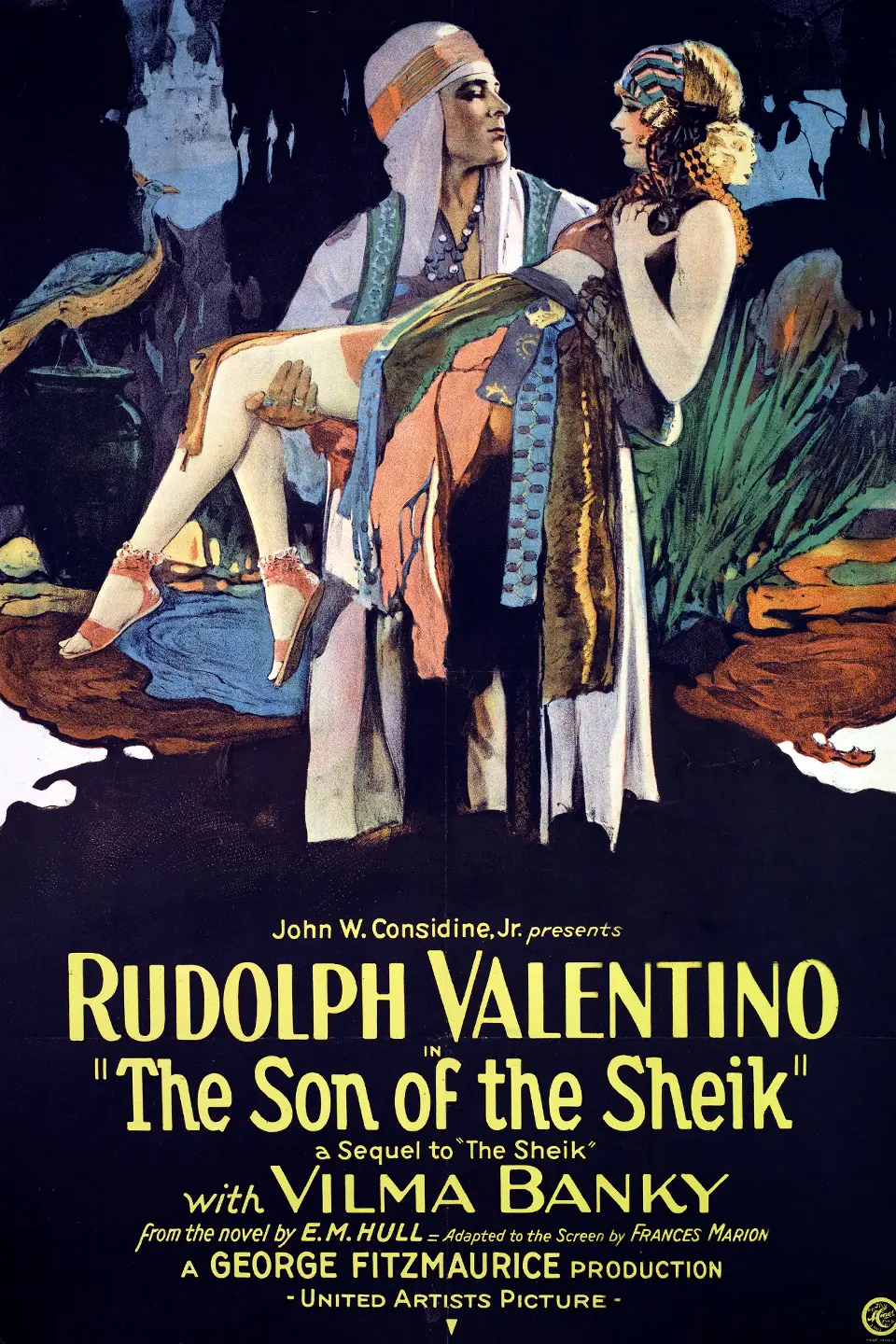
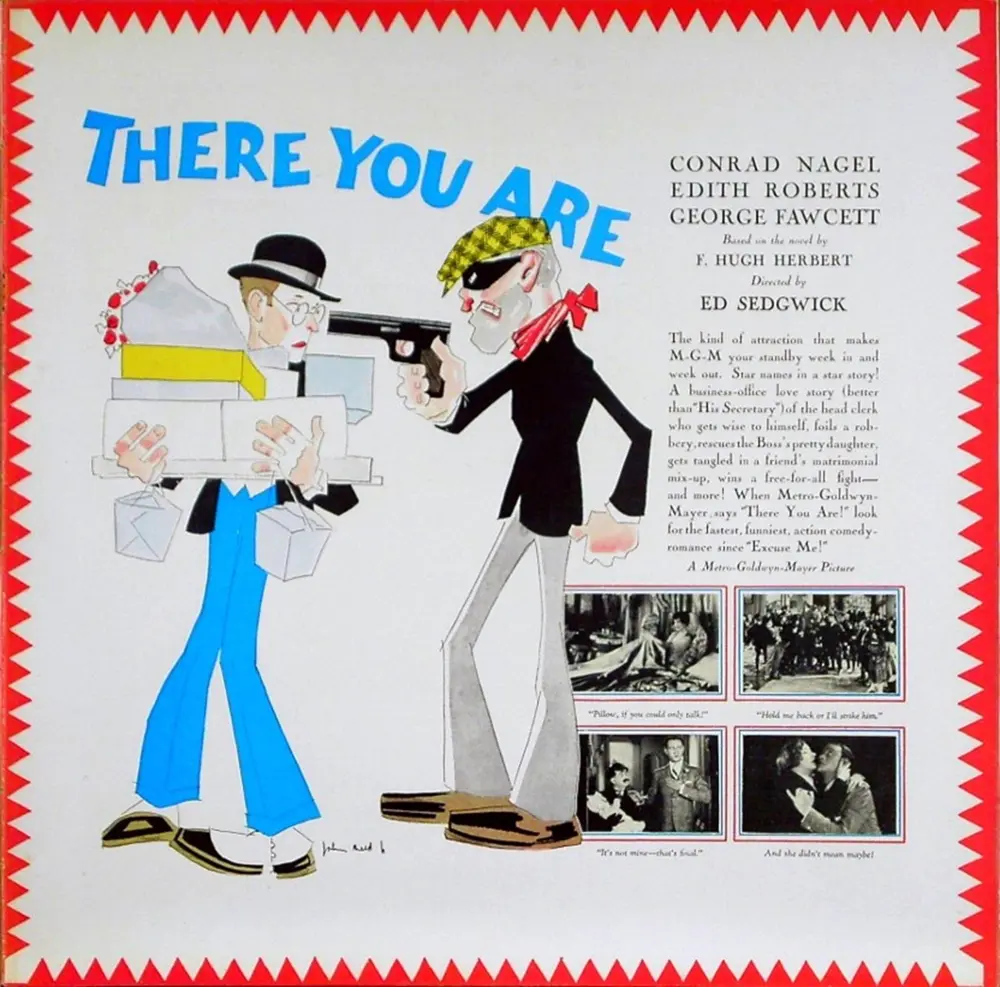
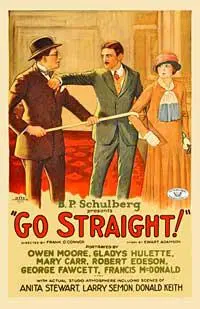
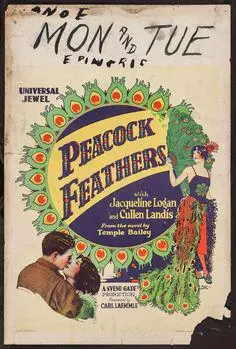
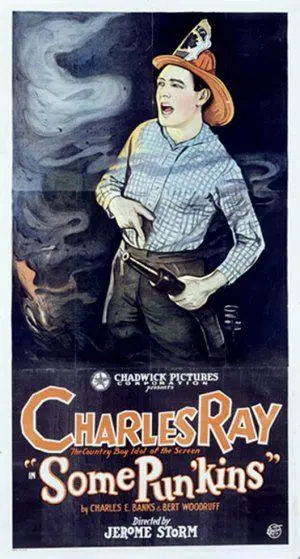
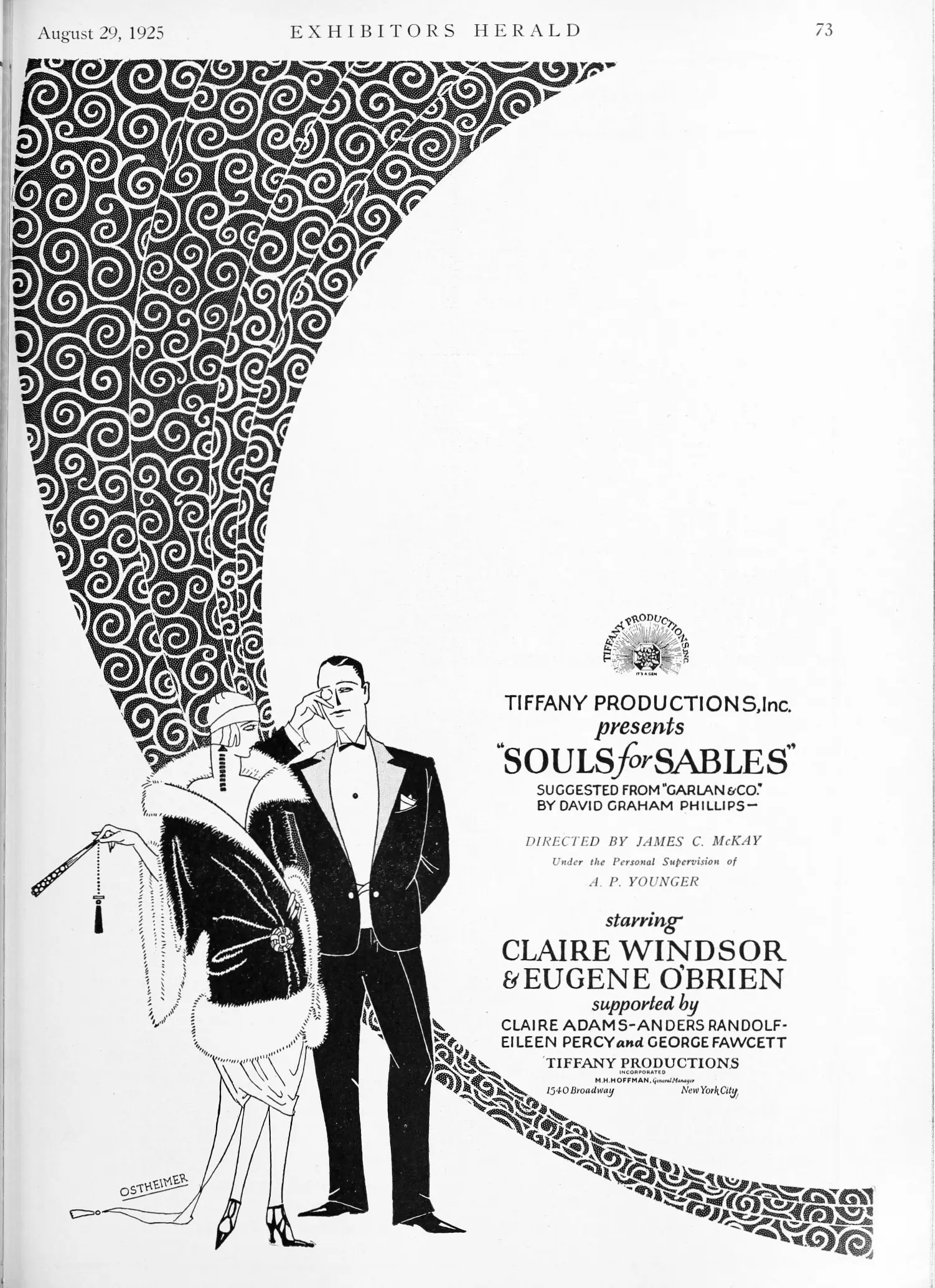
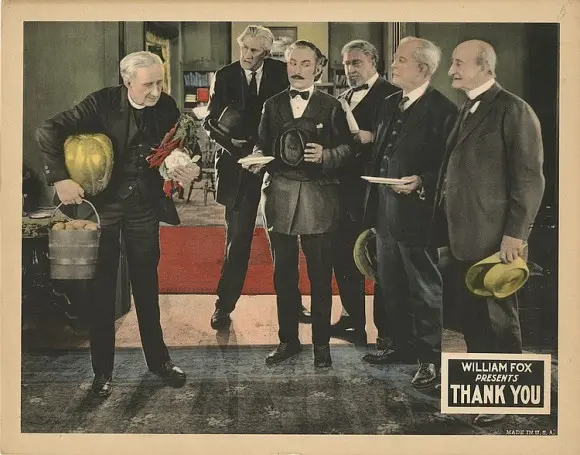
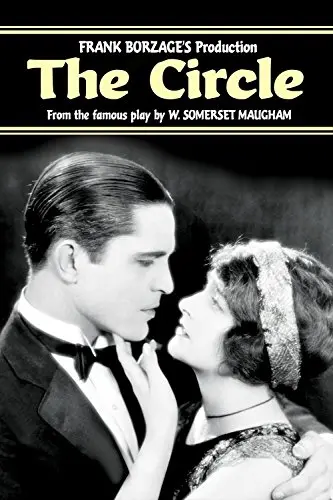
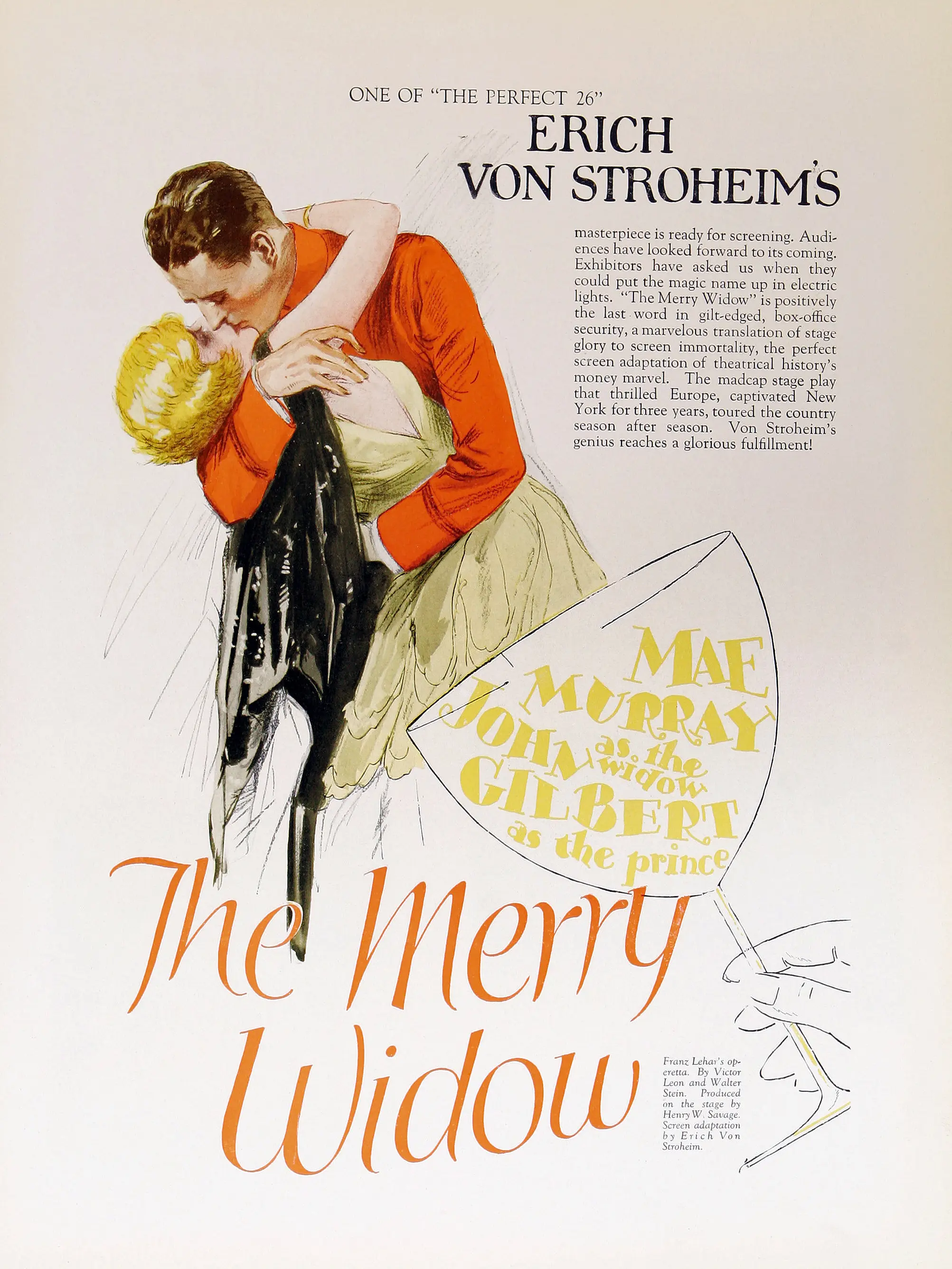
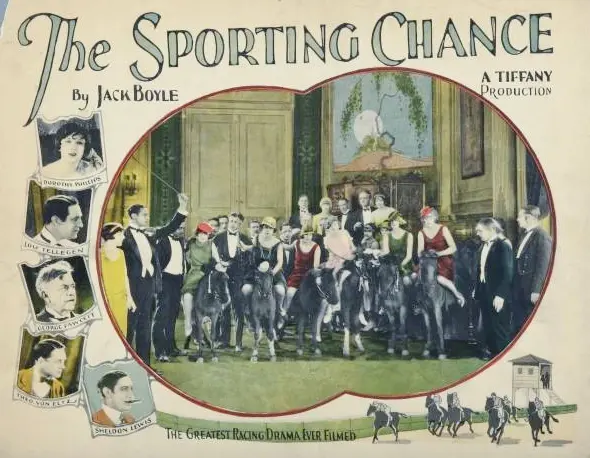
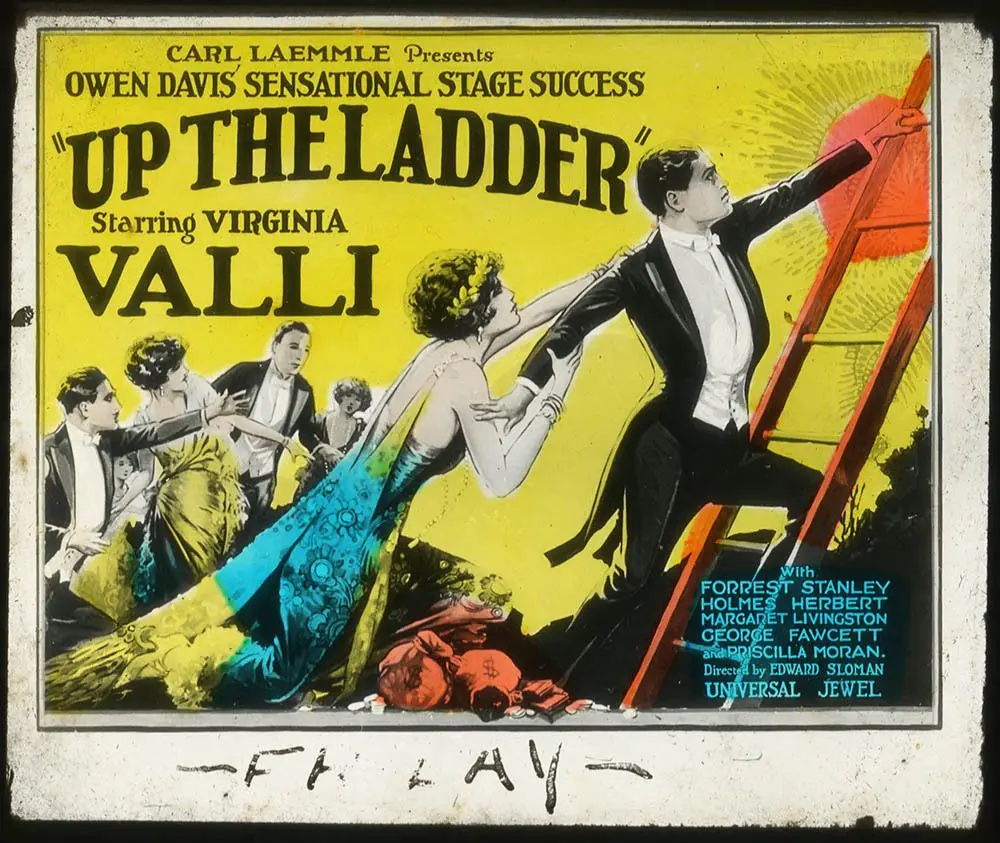
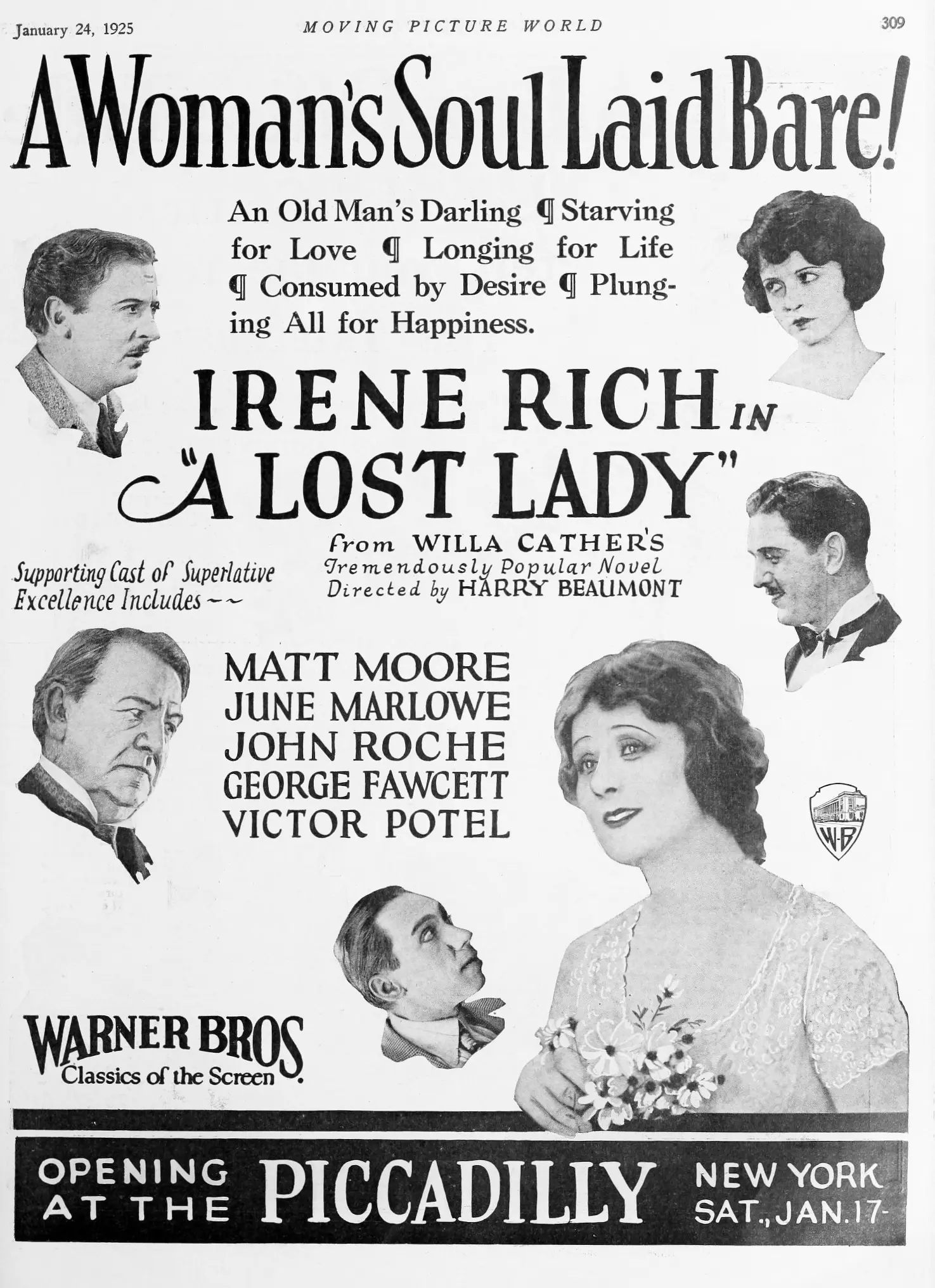
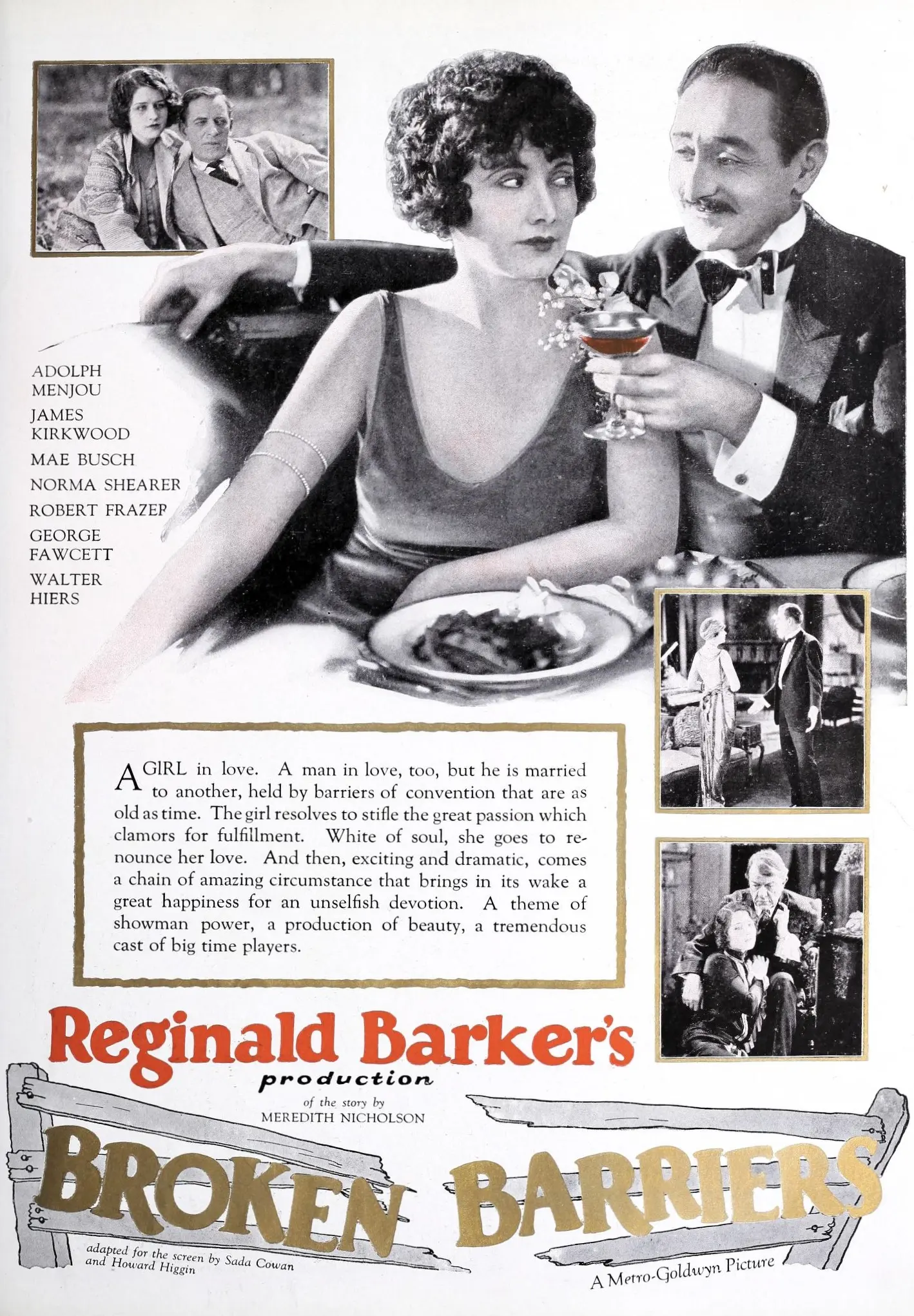
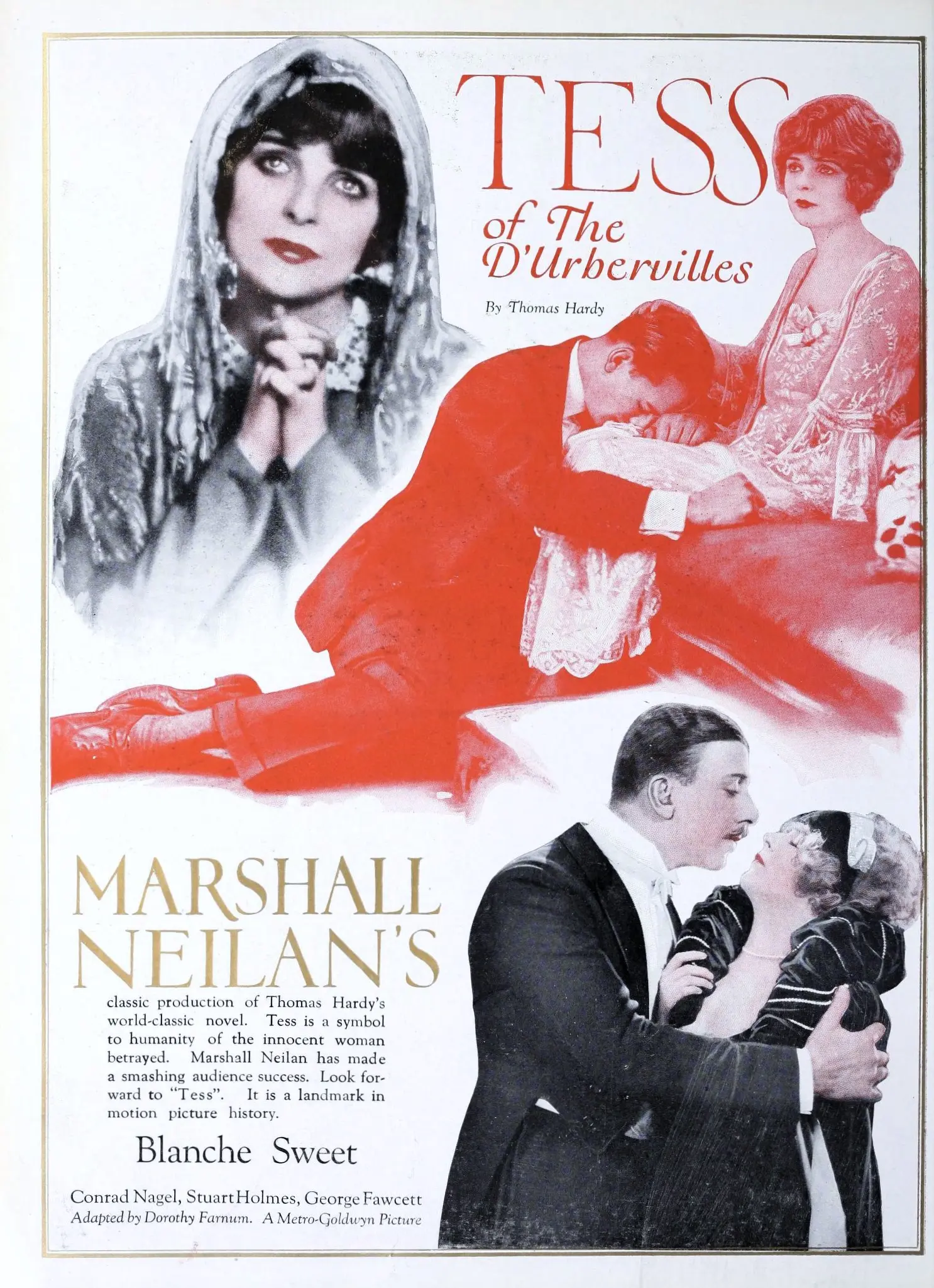
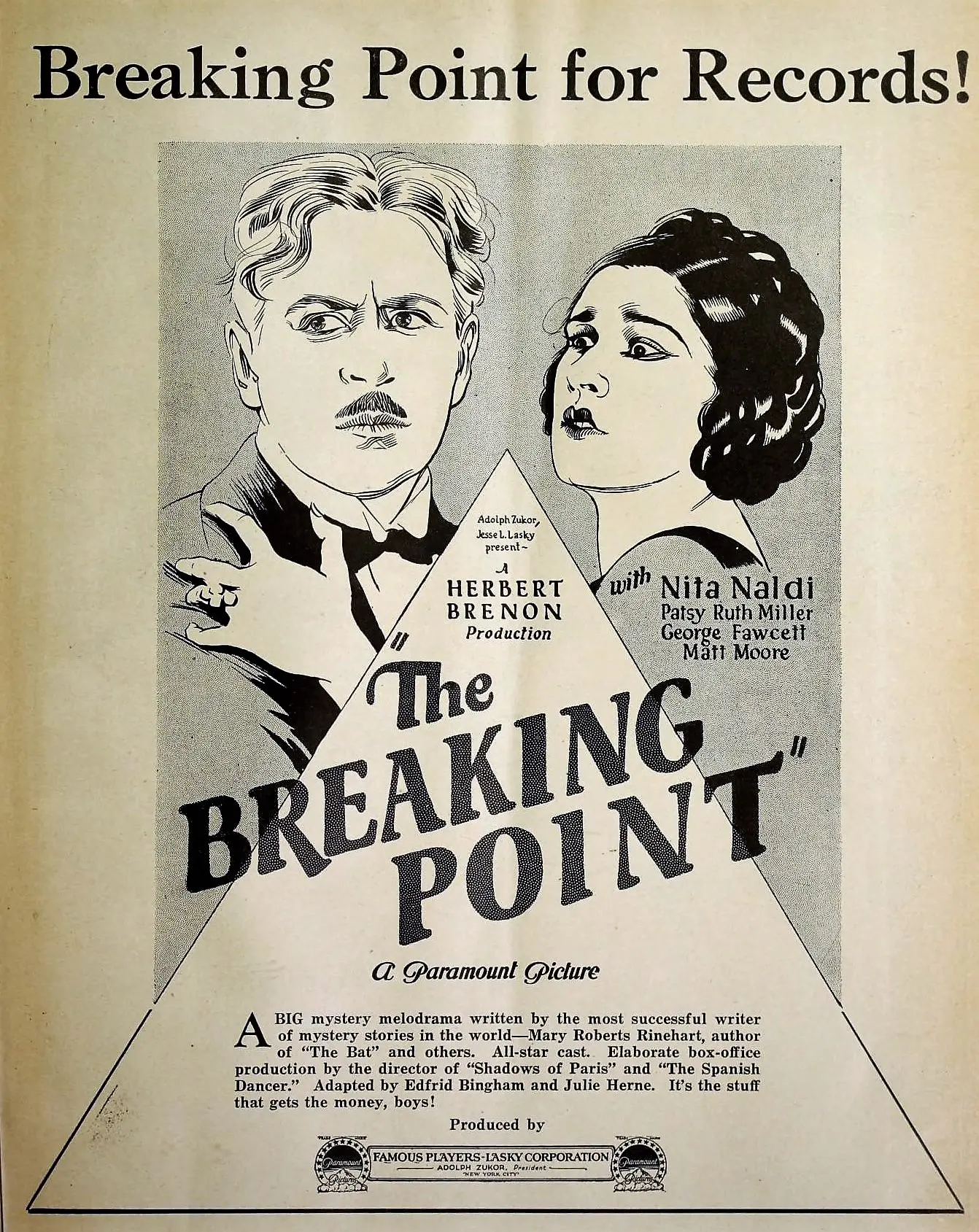
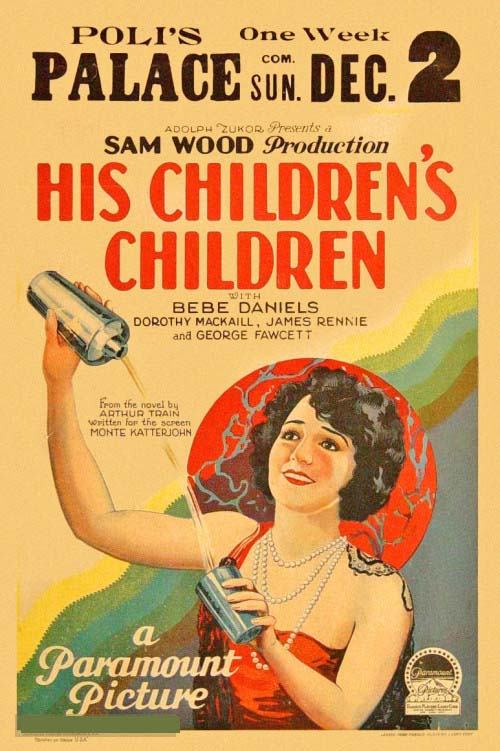
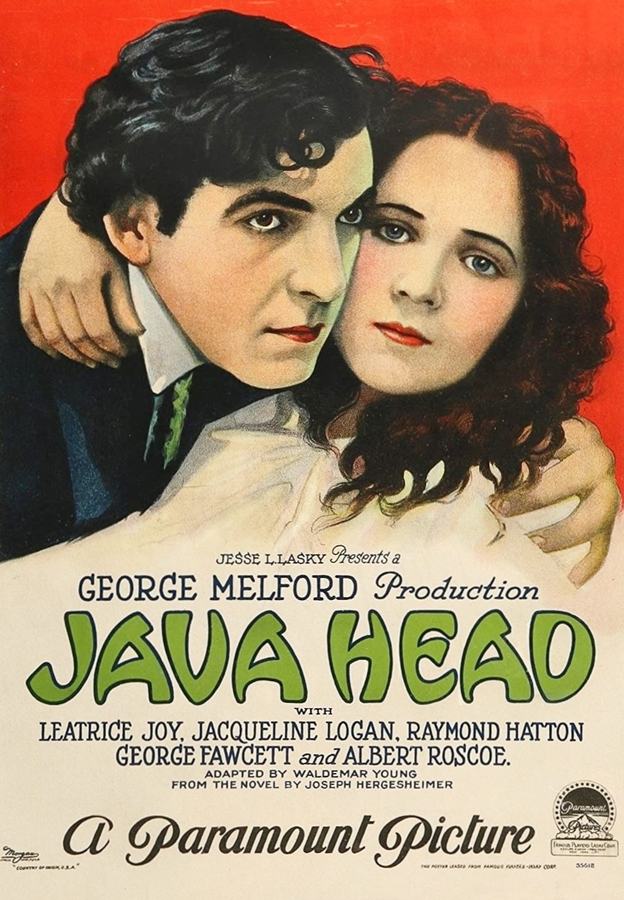
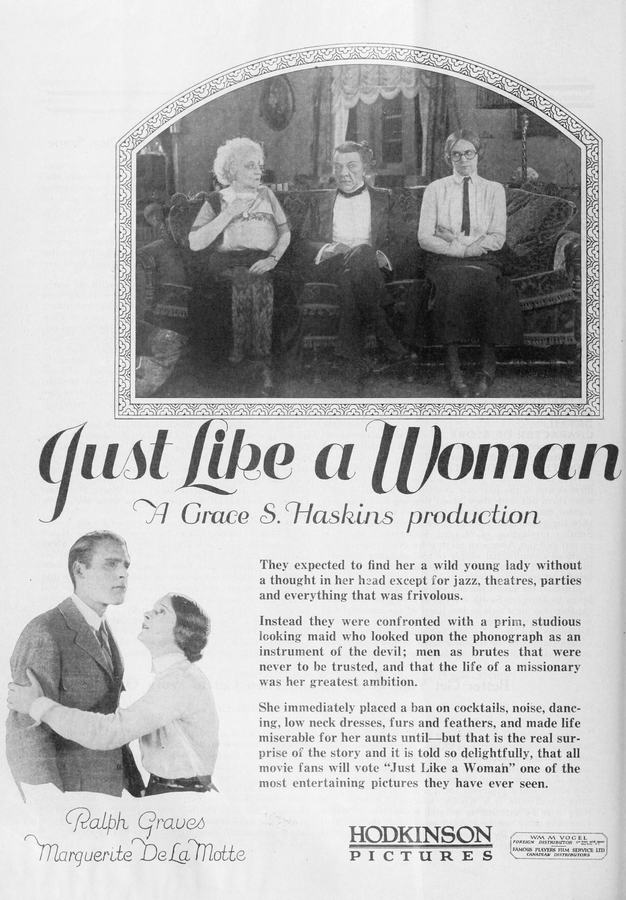
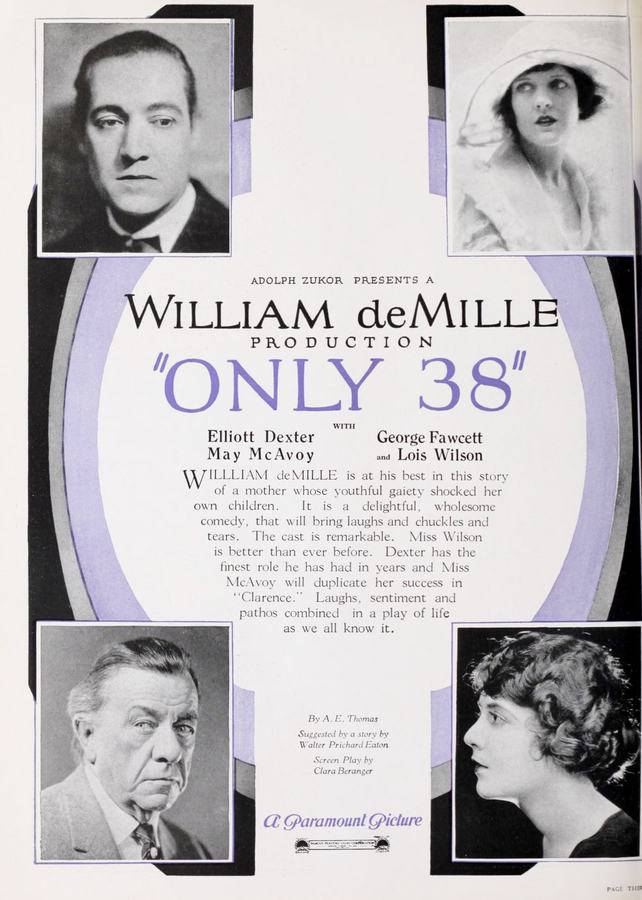
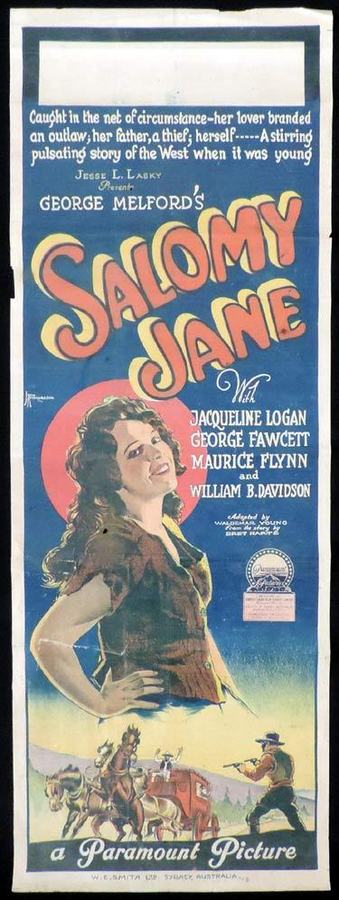
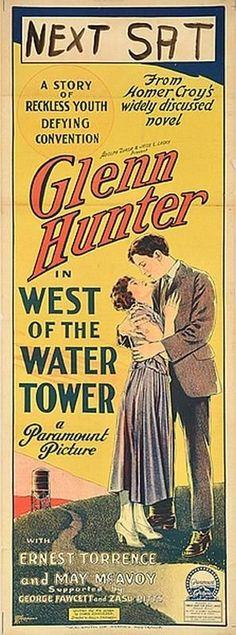
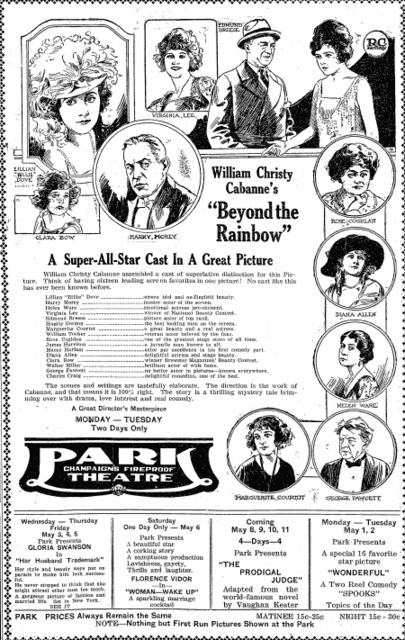
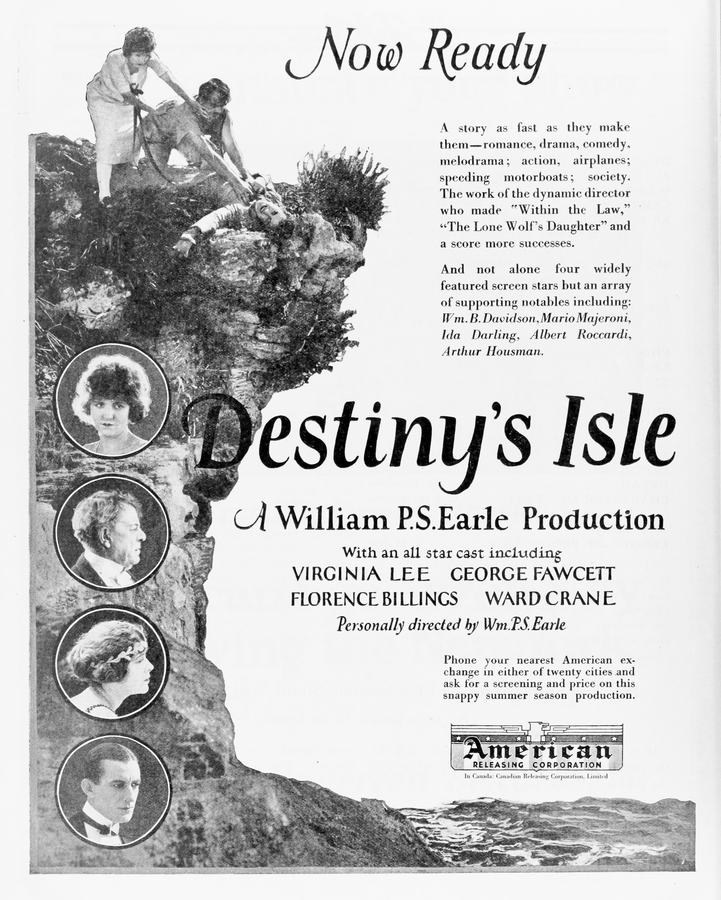
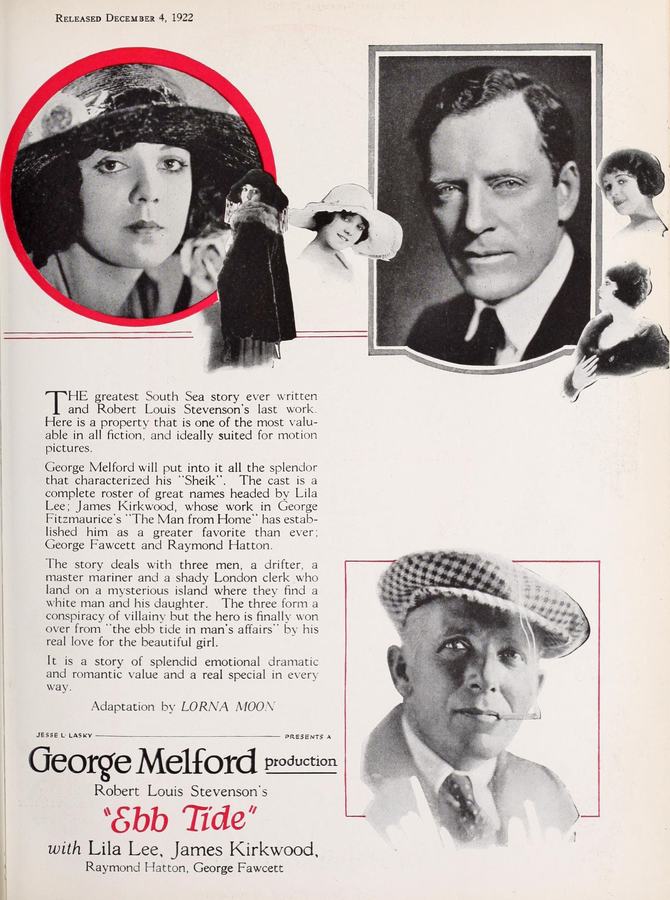
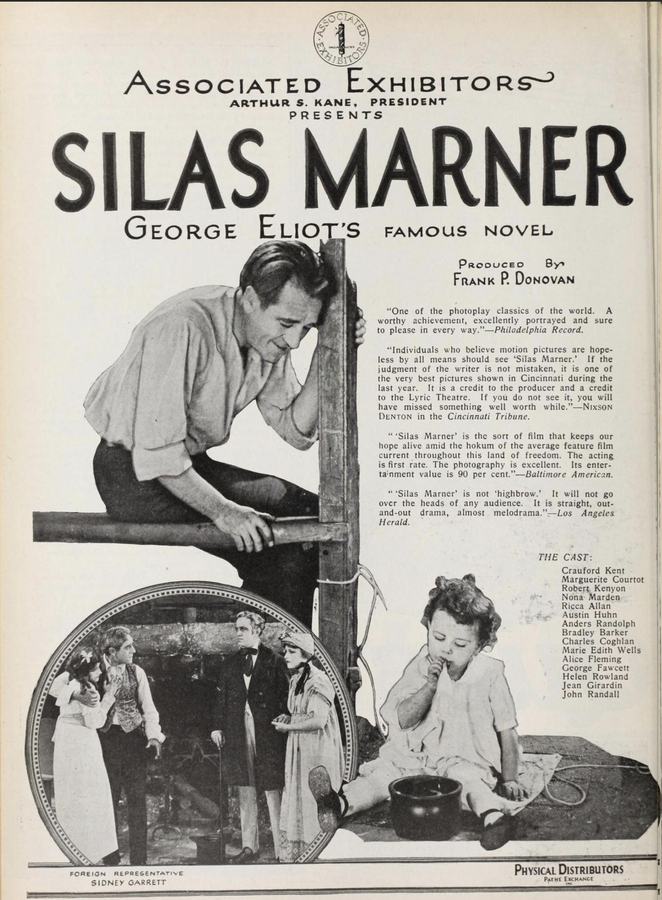
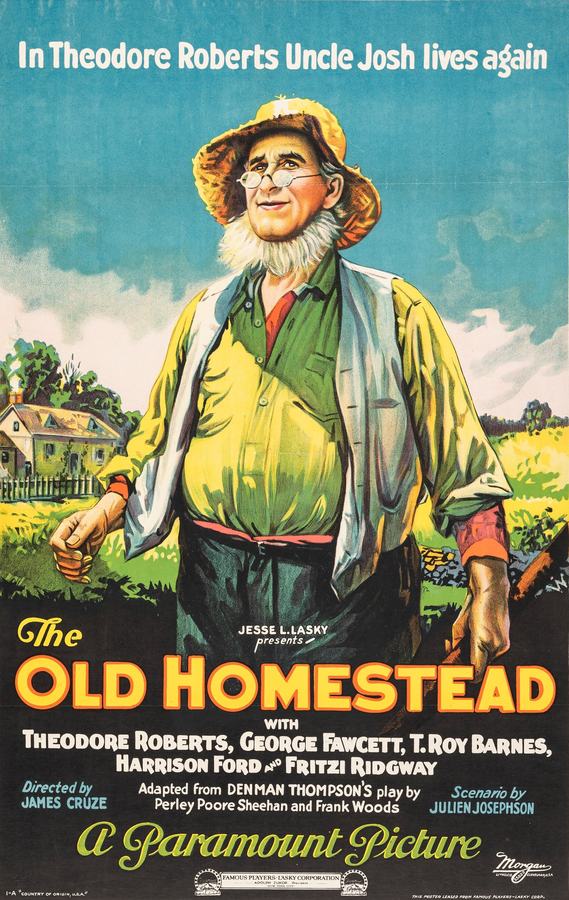
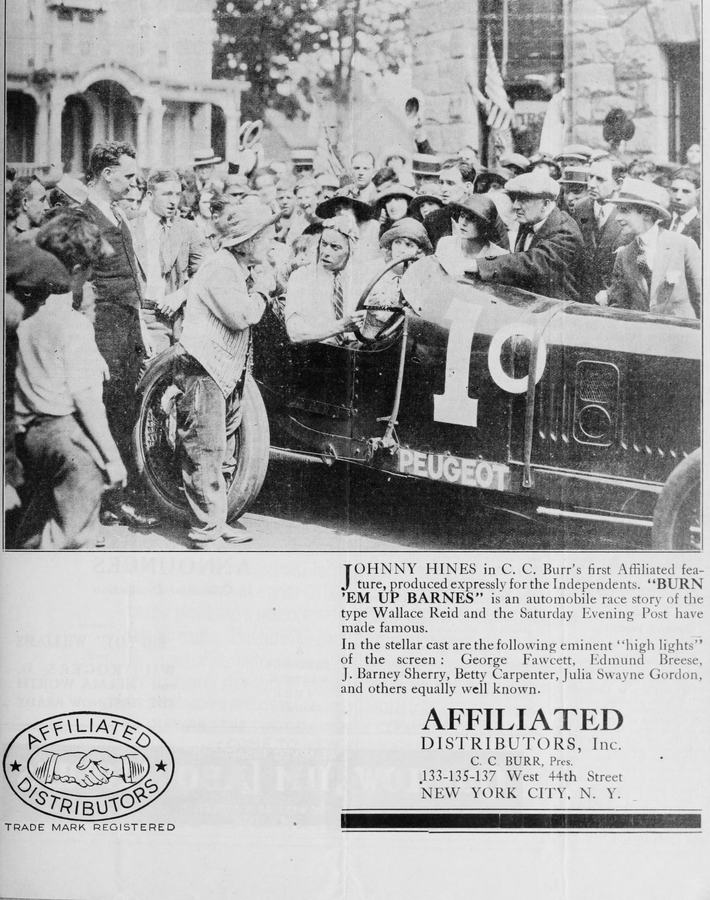
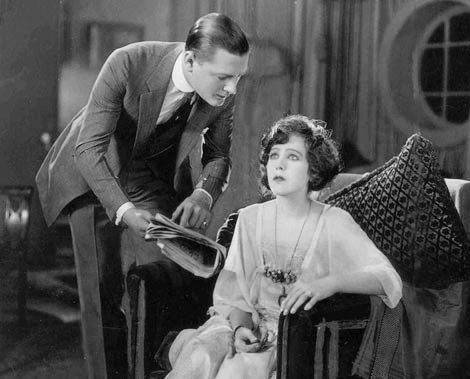
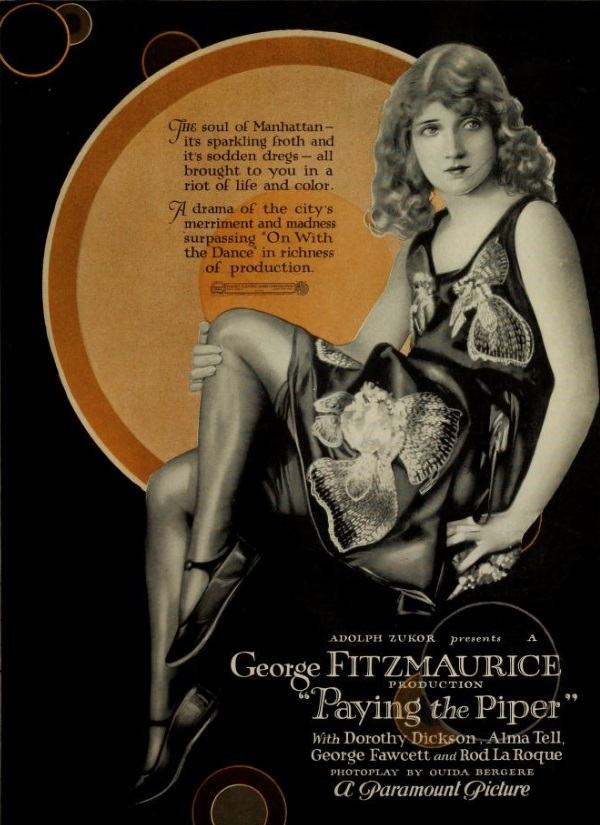
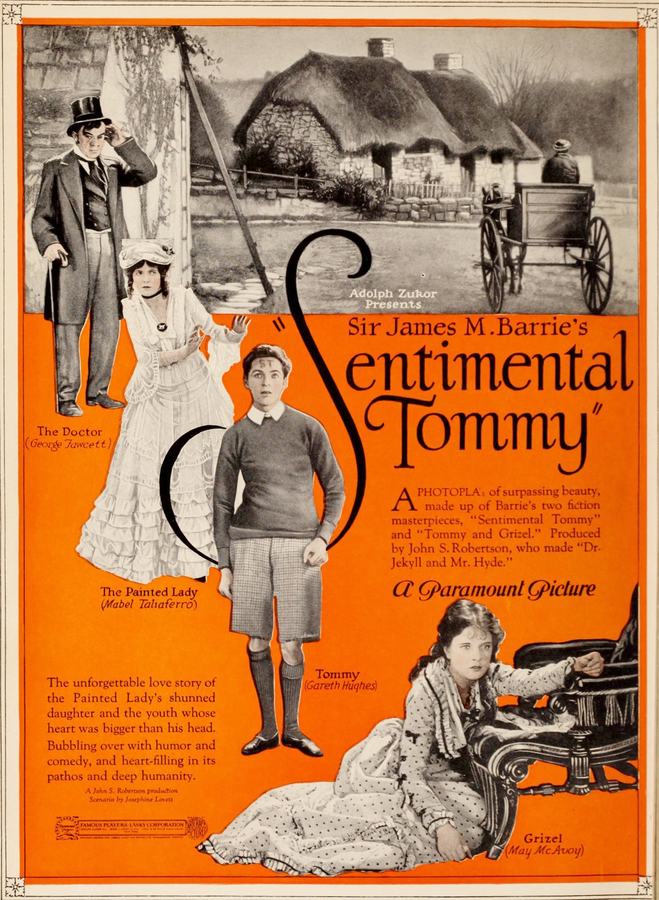
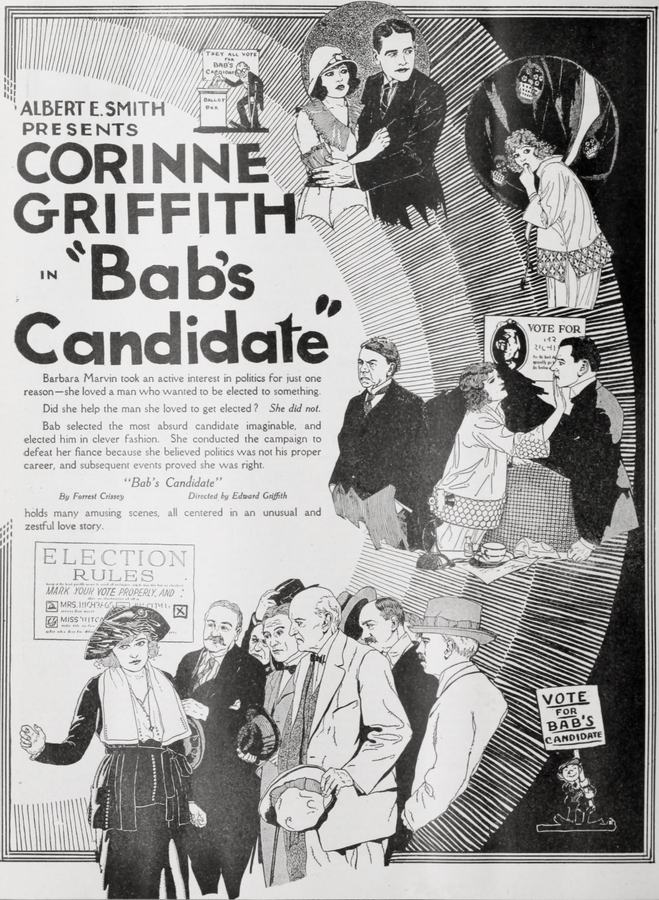
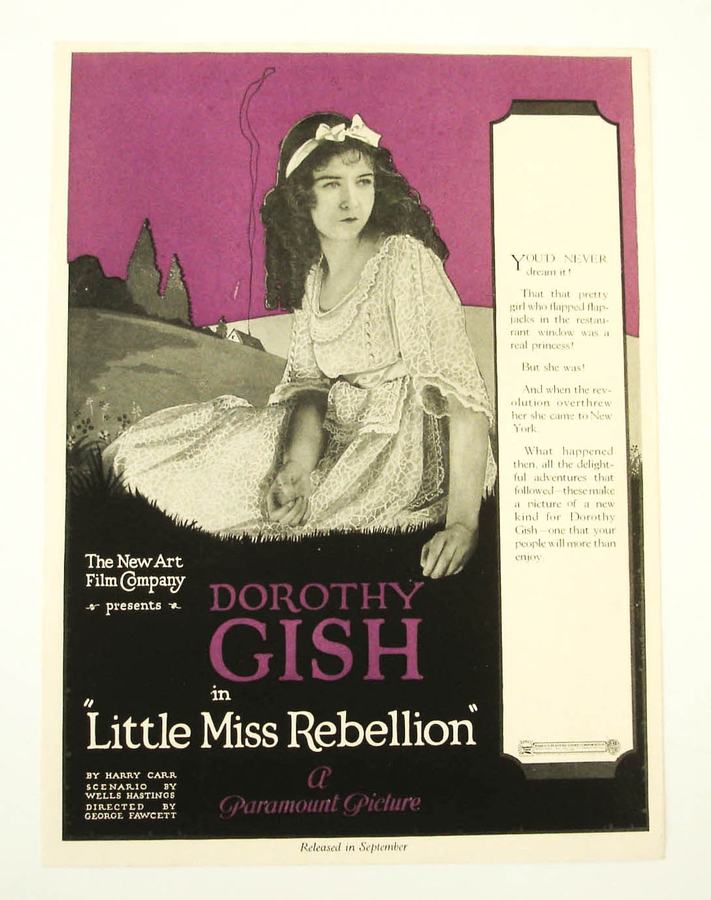
With a granite jaw and a voice that could hush a theatre without raising itself, George Fawcett strode from Civil-War-era Alexandria—born 25 August 1860—straight into the footlights of two continents. A University of Virginia alumnus, he traded law books for scripts in 1887, stepping onstage as the tormented Baron Rudolph and never looking back. By 1895 he had claimed both a bride and a co-conspirator: actress Percy Haswell. Together they turned Baltimore into their personal playground, first under her banner, the Percy Haswell Stock Company (1901), then under his own name once critics realized who really steered the ship. For seven seasons the troupe fired off melodramas, comedies and classics before disbanding in 1908. Broadway quickly drafted him. From his 1897 bow in The Little Minister to the 1932 swan-song he produced, Peacock, Fawcett stamped his authority on roles as varied as Ibsen’s haunted pastor in Ghosts (1903), the swaggering Dutch governor in Peter Stuyvesant (1899), and the rugged title hermit in The Mountain Man (1921). Hollywood beckoned only after he’d passed fifty-five, but D. W. Griffith recognized weathered greatness when he saw it. Between 1916 and 1919 alone, Griffith hurled Fawcett into Intolerance, A Romance of Happy Valley, True Heart Susie, Scarlet Days and The Greatest Question, letting that craggy visage do the moral heavy lifting. “The Grand Old Man of Films” earned the nickname: in fifteen frantic years he clocked more than a hundred pictures, usually cast as the immovable general, the blinkered judge, or the tyrant father whose obstinacy set the plot spinning. Silent-era highlights crowd the marquee—The Cinderella Man (1917), The Beloved Traitor (1918), Polly of the Follies (1922), Tess of the D’Urbervilles (1924), The Merry Widow (1925), The Son of the Sheik (1926), Flesh and the Devil (1926), Tillie the Toiler (1927) and The Private Life of Helen of Troy (1927) among them—yet the talkies found him still vital. He slipped effortlessly into sound, lending gravelly support to Barbara Stanwyck in Ladies of Leisure (1930), chasing Warner Oland through The Drums of Jeopardy (1931), counseling Helen Twelvetrees in A Woman of Experience (1931), and bidding farewell opposite Nancy Carroll in Personal Maid (1931). Off-screen, Percy continued to share playbills with her husband, costarring in Peter Stuyvesant and the 1932 production of Peacock that he shepherded to Broadway. On 6 June 1939, in the salt-tinged quiet of Nantucket, the grand old heart that had powered so many dramas beat its last. George Fawcett was seventy-eight.
Filmography
In the vault (102)