Summary
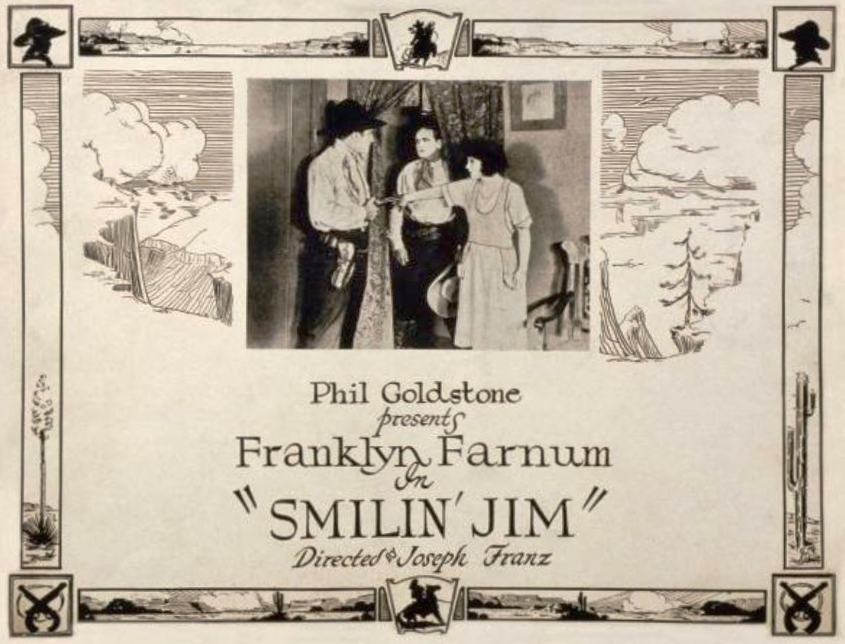
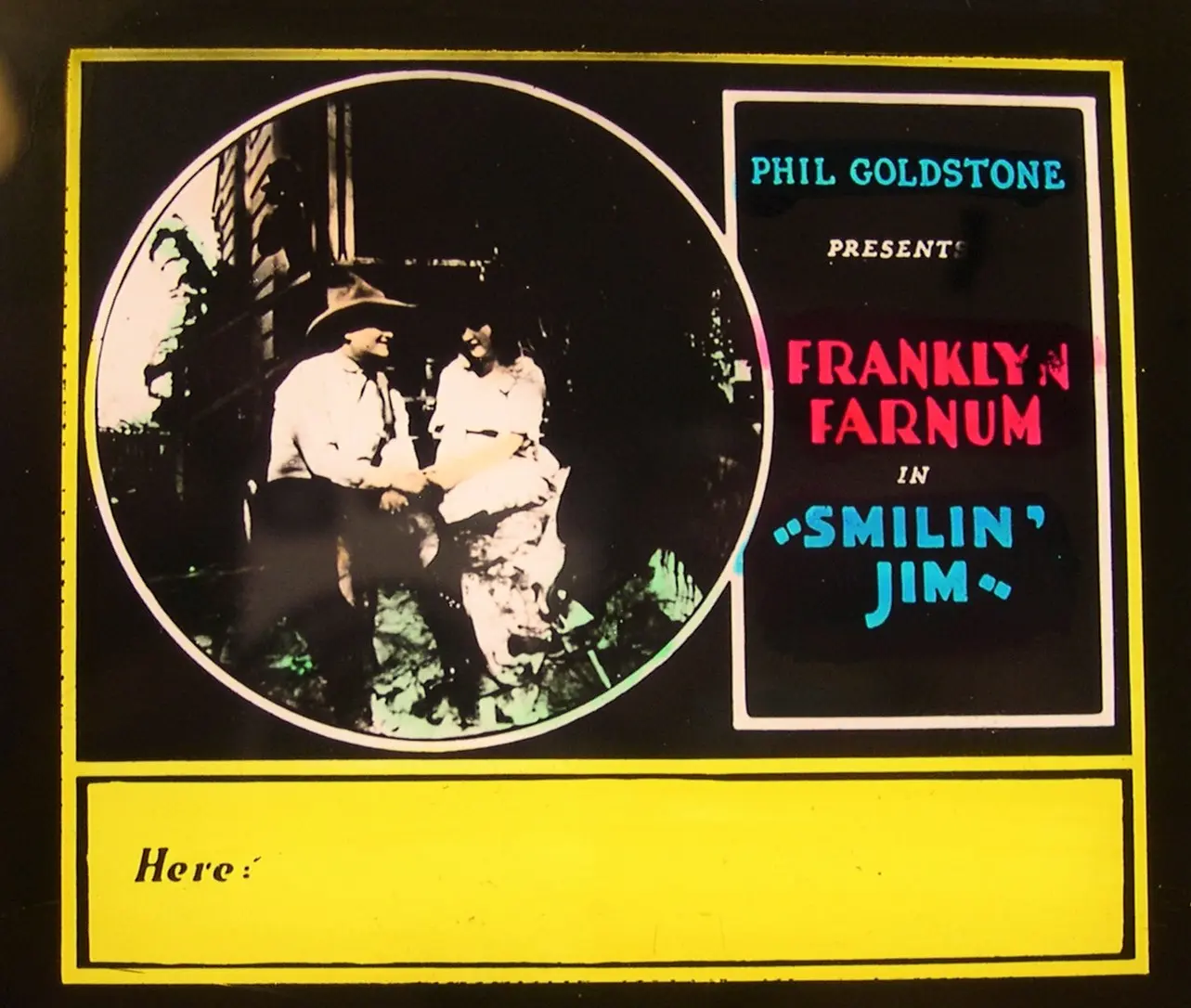
In a nameless Midwestern whistle-stop where the depot clock forever stammers at eleven past three, Jim Rourke—nicknamed “Smiling Jim” for the rigid crescent scar that tugs at his lip—returns from the Great War hauling a kit-bag of shrapnel memories and a photograph of a woman he no longer trusts. The town itself, half timber, half dust, seems to lean away from him: clapboard façades blistered by sun, sidewalks cracked like old porcelain, a single-screen cinema flickering newsreels that proclaim prosperity while breadlines snake just out of frame. Jim’s old sweetheart, Beulah Donner (Alma Bennett), now keeps the ticket booth at the picture house, her eyes two pale tickets punched by every disappointment since 1918. She greets him with a nod so slight it could be a tremor of the earth rather than of the heart. Around them orbit the town’s marginal saints and gargoyles: Franklyn Farnum’s Elmer Grigg, a trolley conductor who quotes Scripture between shovelfuls of coal; Al Ferguson’s blacksmith, Orie, whose anvil rings like a verdict; Percy Challenger’s Doc Sowers, a veterinarian who treats humans when the human doctor is too drunk to stand. Over the next four days—measured not by calendars but by the incremental darkening of the sky—Jim tries to re-stitch himself into the communal fabric. He mends a porch swing, coaches a shy boy to swing a bat, even paints the post office flagpole, each act a stubborn refutation of the rumor that he “left his grin on the Marne.” Yet every dawn unspools fresh dread: a stray dog found throat-slashed, a child’s marble replaced by a spent cartridge, a piano that plays a half-remembered march when no one is near. Beulah alone intuits the queasy symmetry between Jim’s smile and the town’s slow grimace; she alone notices that the scar never flexes when he genuinely laughs. Hal C. Norfleet’s screenplay withholds the luxury of linear revelation: instead, it scatters talismanic objects—an unposted letter, a blood-rusted bayonet, a celluloid strip showing a kaiser-less victory parade—like breadcrumbs leading into the wilderness of Jim’s guilt. The film’s visual grammar alternates between cavernous long shots that dwarf figures against wheat fields bent by wind, and oppressive close-ups where pores, scars, and the flicker of eyelids become topographies of dread. In the penultimate sequence, a dust storm—part weather, part moral reckoning—swallows the town, forcing townsfolk to huddle inside the cinema where the projector stutters on a frame of Jim’s wartime platoon. Beulah finally confronts him: the woman in his photograph is not her but a French peasant he failed to save; the scar is not from shrapnel but from her own broken mirror hurled in a fit of grief the day he enlisted. Jim, stripped of his last alibi, walks into the storm, his silhouette dissolving like a filmstrip burning in the gate. The final image—Beulah alone at dawn, the depot clock now irrevocably stopped—leaves the audience stranded between mercy and damnation, unsure whether the smile left town on Jim’s face or has merely migrated to the horizon itself.
Review Excerpt
"
There are silents that chatter, and silents that swallow light. Smiling Jim gulps it whole, then exhales a pall of dust so thick you can taste iron on your tongue.
Released in late autumn of 1921, the picture arrived without heraldry—no palace première, no orchestra pit, only a trio of itinerant musicians who carried a bass drum, a muted cornet, and enough gin to pickle their memories. Word of mouth, that antique internet, ferried the film across the prairie states where projection booths stil..."