Summary
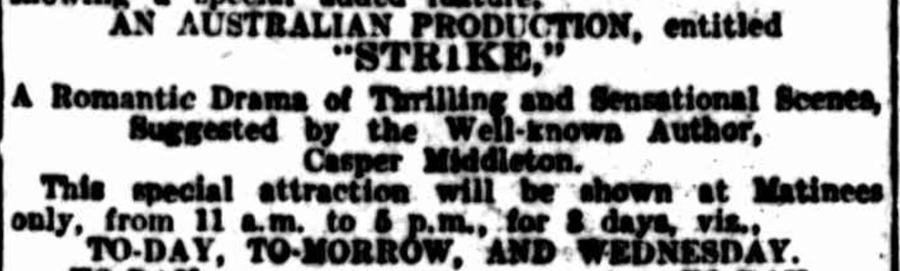
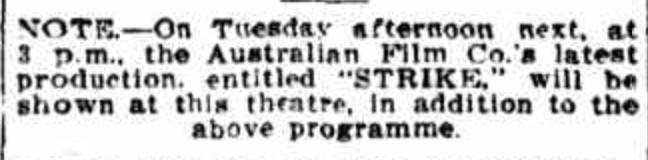
A soot-choked Yorkshire colliery, 1912: lamps hiss like cornered cats while the pithead wheel groans its iron hymn. The owners, starched and waistcoated, announce a wage slash; the miners, whose lungs already rattle like bags of bones, vote to walk out. From this spark erupts a crucible of solidarity and fracture. Families split along generational fault lines—grandfathers who remember the hunger of ’93, sons who crave more than black seams for graves, daughters who sling picket stones with the same grace they once stitched lace cuffs. Police batons crack skulls in dusk-lit lanes; soup kitchens bloom in chapels; a scab’s front door is whitewashed overnight by unseen hands. Through the soot-filtered moonlight, two figures orbit the strike’s gravitational core: Roland Conway’s firebrand checkweighman, whose eloquence can turn a tavern into a parliament, and Casper Middleton’s boy-faced hauler, nursing a secret love for the owner’s suffragette niece. When the coalowners import Belgian strike-breakers under armed escort, the colliery village becomes a tinderbox of accents, class rage, and forbidden gazes. A midnight march to the pit gates turns into a ballet of torchlight and truncheons; a young girl’s death beneath a horse’s hooves ignites a funeral cortege that swells into a general strike across the entire coalfield. The finale is no triumphal anthem but a hushed dawn: the men trot back down the shaft, wages only half restored, yet something incorruptible has been forged in the dark—an inkling that the coal that warms the empire can also burn it down.
Review Excerpt
"
There are films you watch and films that watch you—Strike belongs to the latter, its sooty gaze boring through a century of polite labor relations into the marrow of twenty-first-century gig-economy precarity.
Roland Conway staggers across the frame like a man carrying not just a lantern but the entire weight of Edwardian England on his clavicles. Every gesture—an uplifted fist, a tremor of the lip—feels chiseled from lived experience rather than studio melodrama. Conway’s close-ups, shot with..."