Summary
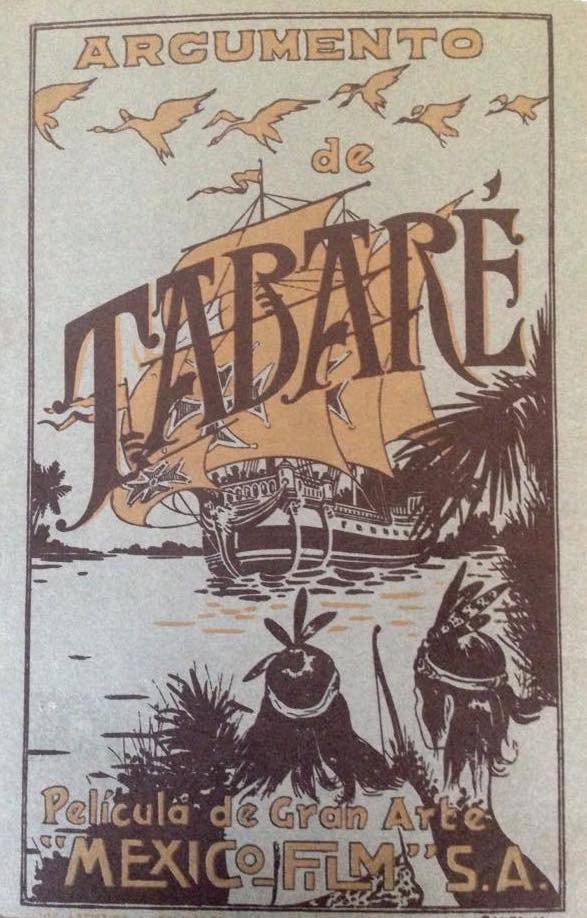
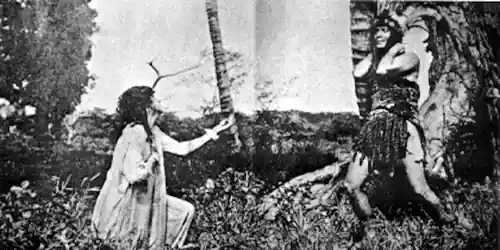
In a colonial crucible forged from the clash of empires and the yearning of the heart, "Tabaré" unfolds a devastating narrative of identity fractured and love tragically thwarted. We are introduced to Tabaré, a Charrúa scion, paradoxically raised within the Spanish fold after his people's initial subjugation. His soul, a battleground of ancestral echoes and adopted European mores, is further ensnared by an illicit, profound affection for Blanca, the radiant daughter of the formidable conquistador, Don Gonzalo. Their burgeoning romance, a fragile bloom in the scorched earth of conquest, becomes the central, agonizing pivot around which the film's grand tragedy revolves. As Tabaré's estranged Charrúa kin, led by a fiercely independent uncle, ignite a desperate resurgence against the Spanish invaders, Tabaré finds himself agonizingly cleaved between the pull of blood and the bonds of his adopted world, between the call of freedom and the desperate plea of his beloved. Don Gonzalo, a patriarch steeped in colonial pride and racial prejudice, vehemently opposes their union, seeing only a savage where his daughter perceives a noble spirit. The escalating conflict culminates in a harrowing, inevitable confrontation, a vortex of misunderstanding and violence, where individual destinies are cruelly subsumed by the inexorable march of history, leaving behind a profound lament for what was lost and what could never be.
Review Excerpt
"
Stepping into the world of Tabaré is akin to unearthing a forgotten, yet profoundly resonant, lament from the annals of cinematic history. This isn't merely a film; it's a meticulously crafted tapestry woven with threads of fervent passion, brutal conquest, and the agonizing complexities of identity. From its opening frames, a sense of impending tragedy hangs heavy, promising a narrative journey both epic in scope and intimately heartbreaking in its human dimensions. The genius of Luis Leza..."