DbcultAccessing Vault...
Cult Review
Senior Film Conservator
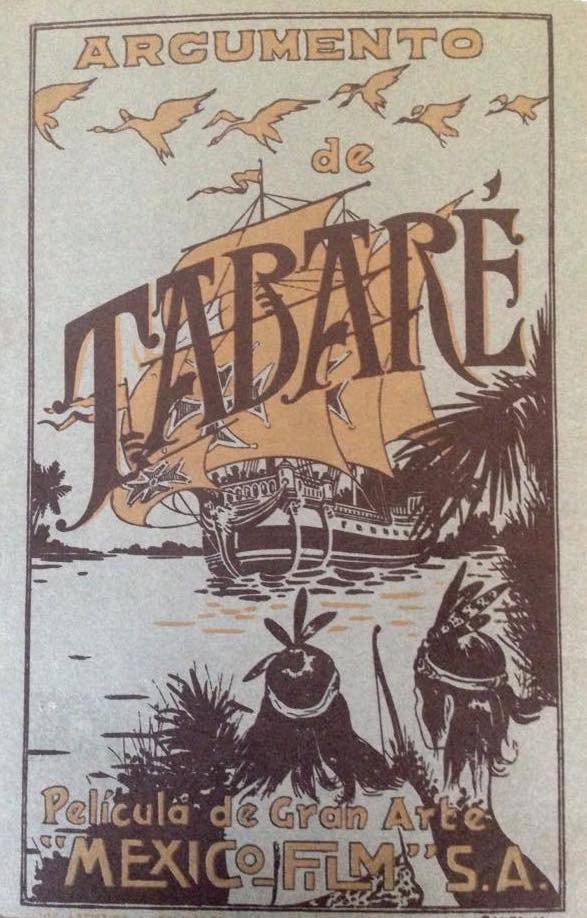
Stepping into the world of Tabaré is akin to unearthing a forgotten, yet profoundly resonant, lament from the annals of cinematic history. This isn't merely a film; it's a meticulously crafted tapestry woven with threads of fervent passion, brutal conquest, and the agonizing complexities of identity. From its opening frames, a sense of impending tragedy hangs heavy, promising a narrative journey both epic in scope and intimately heartbreaking in its human dimensions. The genius of Luis Lezama's screenplay lies not just in its ambitious adaptation of such a revered literary work, but in its ability to distill grand historical movements into the personal anguish of its characters, making the sweeping saga of colonial conflict feel deeply, viscerally personal. It is a testament to the power of early filmmaking that such a nuanced and emotionally charged story could be conveyed with such profound impact, relying on visual storytelling and the raw performances of its ensemble cast.
The narrative thrust of Tabaré centers on its titular protagonist, brought to life with a captivating intensity by Enrique Cantalaúba. Tabaré is a figure of immense internal conflict: a Charrúa warrior by birth, yet raised in the Spanish colonial settlements, his very existence is a living paradox. He embodies the tragic clash of two worlds, neither fully belonging to one nor entirely alien to the other. His early scenes, depicting his assimilation into Spanish culture, are handled with a delicate touch, hinting at the deep-seated yearning for belonging that drives much of his later actions. Cantalaúba’s portrayal is remarkable for its subtlety, conveying Tabaré’s internal struggle through nuanced gestures and haunted expressions, rather than overt melodrama. This performance anchors the entire film, providing a sympathetic and complex lens through which to view the tumultuous events unfolding around him.
The emotional core of the film, however, blossoms with the introduction of Blanca, portrayed by the luminous Carmen Bonifant. Blanca is not merely a damsel in distress; she is a woman of spirit and conviction, whose love for Tabaré transcends the rigid societal barriers of her time. Bonifant imbues Blanca with a delicate strength, a fierce independence that defies the expectations placed upon her as the daughter of a powerful Spanish captain. The chemistry between Cantalaúba and Bonifant is palpable, radiating a genuine tenderness that makes their forbidden romance utterly believable and all the more heartbreaking. Their stolen glances, their hushed conversations, and the sheer desperation in their shared moments create an irresistible pull, making the audience acutely aware of the insurmountable obstacles threatening their union. This is a love story forged in the fires of adversity, destined for a path less traveled, yet tragically so.
The antagonist in this colonial drama, if one can call him that, is Don Gonzalo, Blanca’s father, played with formidable authority by Juan de Homs. De Homs crafts a character who is not a mustache-twirling villain, but a man of his era, rigid in his beliefs, fiercely protective of his daughter and his colonial legacy. His conviction that Tabaré, despite his upbringing, remains an 'other,' a 'savage,' is chillingly authentic, reflecting the pervasive prejudices of the time. Don Gonzalo's refusal to acknowledge the depth and purity of Blanca and Tabaré's love stems from a deep-seated fear of miscegenation and a perceived threat to the established order. This makes his character tragically human, a product of his circumstances, rather than a caricature. The tension between de Homs's stern resolve and Bonifant's defiant love for Tabaré is a masterclass in dramatic interplay, a constant simmer beneath the surface that threatens to boil over at any moment.
Beyond the central trio, the supporting cast delivers performances that add rich layers to the historical tapestry. Matilde Cires Sánchez, as Blanca's confidante, provides moments of quiet empathy, while Emilia Cassani and
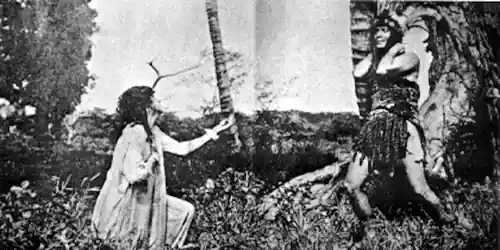
The true power of Tabaré lies in its unflinching exploration of themes that remain profoundly relevant even today: identity, belonging, the destructive nature of prejudice, and the tragic consequences of imperial expansion. It delves into the very essence of what it means to be caught between worlds, to be an outsider in one's own land, or an alien in an adopted one. Tabaré's journey is a poignant metaphor for the broader colonial experience, where individual lives are irrevocably shaped and often shattered by forces far greater than themselves. The film doesn't shy away from the brutality of the conquest, yet it balances this with moments of profound human connection and the enduring strength of the human spirit. The screenplay by Luis Lezama is a marvel of adaptation, taking the grand sweep of the original poem and translating its emotional resonance into a cinematic language that speaks volumes without the need for extensive dialogue, a common constraint and strength of films from this era.
Visually, the film is a triumph for its period. The expansive landscapes, though perhaps not as lavish as later productions, convey a powerful sense of place, immersing the viewer in the untamed beauty of the region and the stark contrast with the encroaching colonial structures. The use of natural light and carefully composed shots contributes significantly to the film’s atmospheric quality, drawing parallels perhaps to the raw, untamed spirit seen in other contemporary works exploring frontier life or historical events, though perhaps less overtly dramatic than something like A Gun Fightin' Gentleman in its action, it shares a similar dedication to depicting a specific historical milieu. The scenes of conflict, though restrained by the technical limitations of early cinema, are effective in conveying the chaos and brutality of battle, emphasizing the human cost of war rather than glorifying it. The director's choice to focus on the reactions of the characters within these scenes amplifies their emotional impact, making every skirmish feel deeply personal.
The climax of Tabaré is a masterclass in tragic inevitability. As the Charrúa uprising gains momentum, Tabaré finds himself caught in an impossible bind, a mediator between two irreconcilable forces. His desperate attempts to forge peace, to bridge the chasm of hatred and misunderstanding, are met with suspicion from both sides. This culminates in a devastating confrontation where fate, prejudice, and the fog of war conspire to deliver a gut-wrenching blow. The scene where Blanca's life is tragically cut short, a victim of the very conflict her love sought to transcend, is profoundly moving. It’s a moment that resonates with the same stark, unforgiving realism found in other period dramas of the time, such as The Heritage of Hate, which also explored the devastating consequences of deeply entrenched animosities. Tabaré's subsequent despair, portrayed with raw, unbridled emotion by Cantalaúba, is almost unbearable to witness, cementing the film's status as a powerful, albeit tragic, love story.
The film’s legacy extends beyond its immediate dramatic impact. It serves as an important cultural artifact, reflecting the early cinematic attempts to grapple with complex national histories and indigenous narratives. While some elements might be viewed through a contemporary lens with a critical eye regarding representation, for its era, Tabaré made a significant stride in presenting a nuanced, albeit colonial-influenced, perspective on the Charrúa people and the devastating impact of conquest. It dared to humanize figures often relegated to the background of history, giving them voice and emotional depth. The performances of Enrique Couto, Pedro de la Torre, Carlos Vargas, and Enrique Castilla, even in smaller roles, contribute to this rich tapestry, painting a vivid picture of a society in turmoil. Their collective efforts bring to life the myriad perspectives caught in the crosscurrents of history.
In an age where cinema was still finding its voice, Tabaré distinguishes itself through its ambition and its unwavering commitment to emotional authenticity. It doesn't shy away from the brutality of its subject matter, nor does it descend into simplistic moralizing. Instead, it presents a multifaceted view of human nature under duress, highlighting both the capacity for immense love and profound cruelty. This film, much like a timeless literary work, invites repeated viewings, each time revealing new layers of meaning and reinforcing its status as a profound cinematic achievement. It reminds us that the human heart, in its capacity for both love and hatred, remains the most compelling subject for any storyteller, regardless of the technological advancements of the medium. Its narrative resonance could be compared to other emotionally driven early films that explored profound human dilemmas, such as Man and His Soul, which also grappled with internal and external conflicts of a deeply personal nature.
The enduring appeal of Tabaré lies in its ability to transcend its historical setting and speak to universal truths about the human condition. The tragedy of Tabaré and Blanca is not merely a historical footnote; it is a timeless tale of star-crossed lovers caught in the unforgiving machinery of power and prejudice. Lezama's script, even in its adaptation, maintains the poetic quality of its source material, infusing the visual narrative with a lyrical melancholy that lingers long after the credits roll. The film is a powerful reminder of the importance of understanding the past, not just as a series of events, but as a complex interplay of human choices, emotions, and their often-devastating consequences. It stands as a testament to the fact that even in the nascent days of cinema, filmmakers were capable of crafting narratives of immense depth and emotional power, leaving an indelible mark on the cultural landscape. It's a cinematic journey that, once undertaken, is not easily forgotten, a poignant echo of a past that continues to inform our present.
IMDb —
1933
Community
Log in to comment.