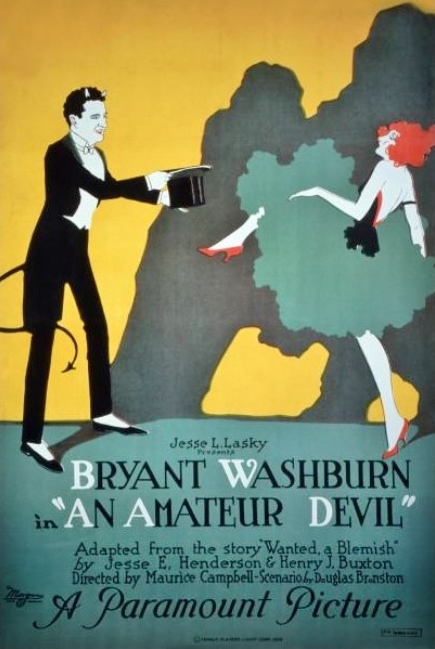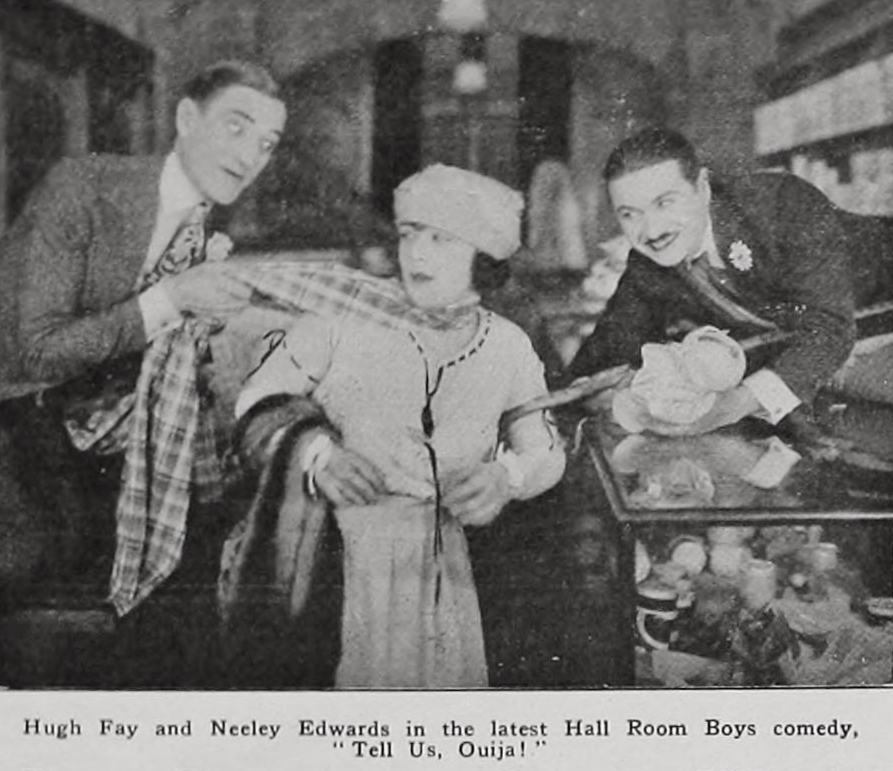
A nitrate séance: when the projector’s carbon arc becomes the Ouija’s candle, the dead speak in splice-jumps. There are films you watch, and then there are films that watch you back—celluloid predators that smell the salt of your pulse and rearrange their emulsion accordingly. Tell Us, Ouija! belongs to the latter ta...
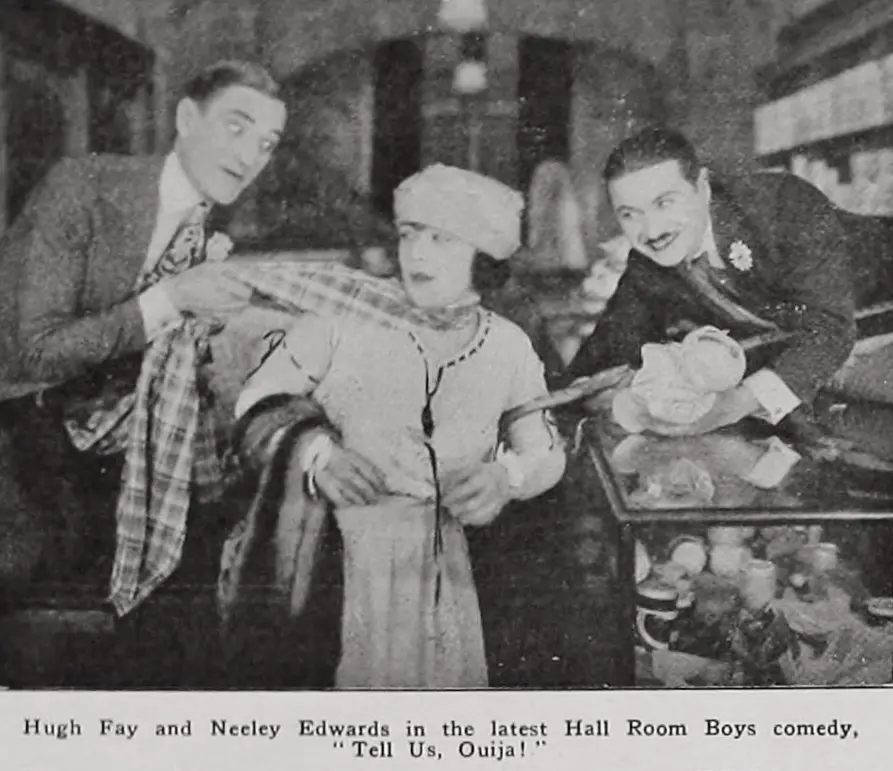
still_frame
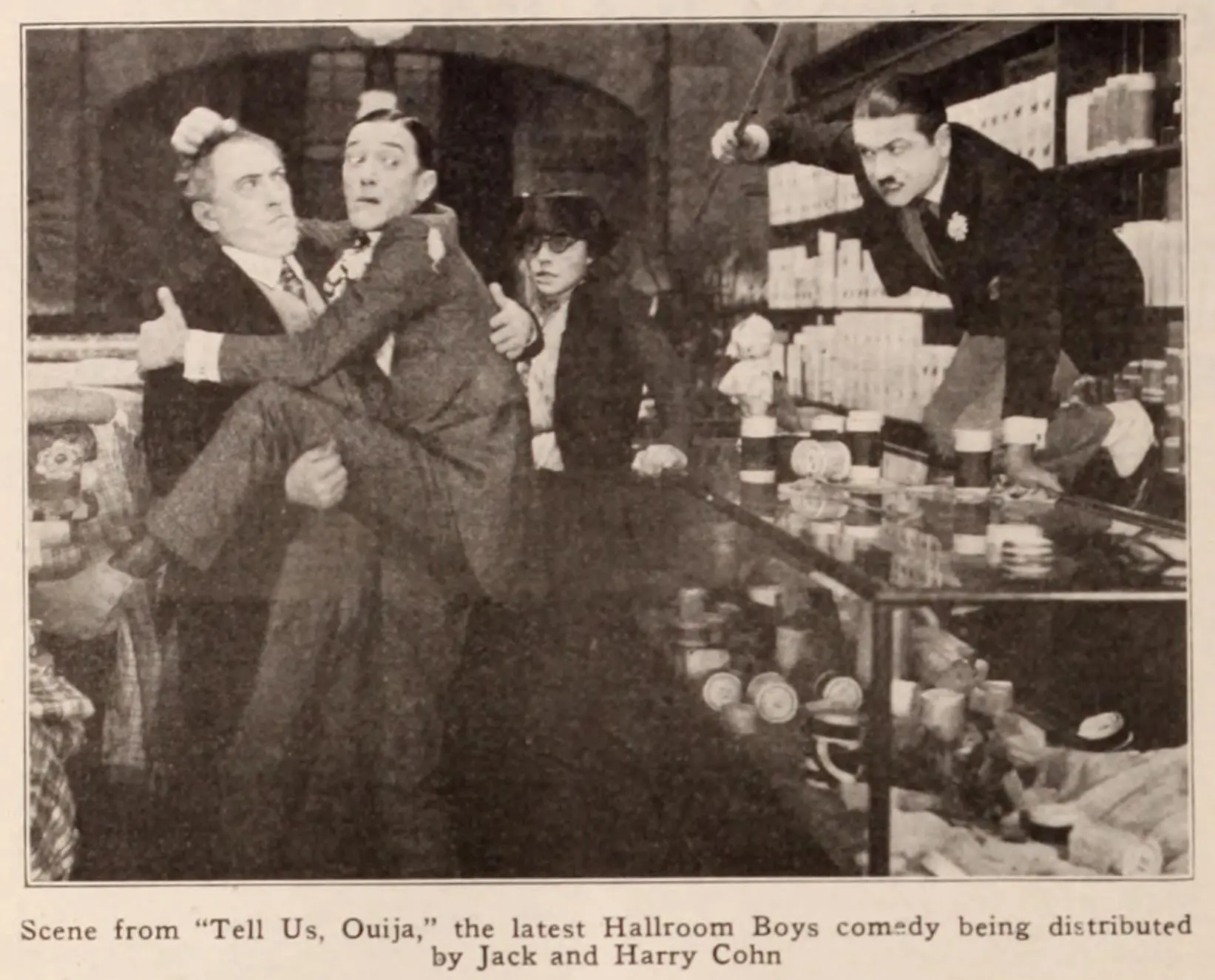
still_frame

Comparing the cinematic DNA and archive impact of two defining moments in cult history.
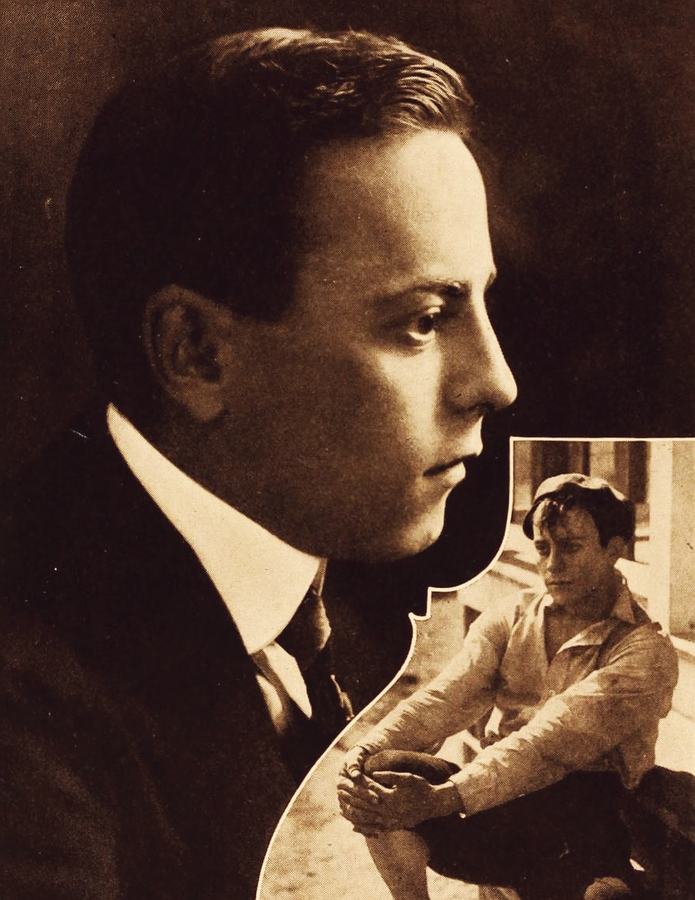
Malcolm St. Clair
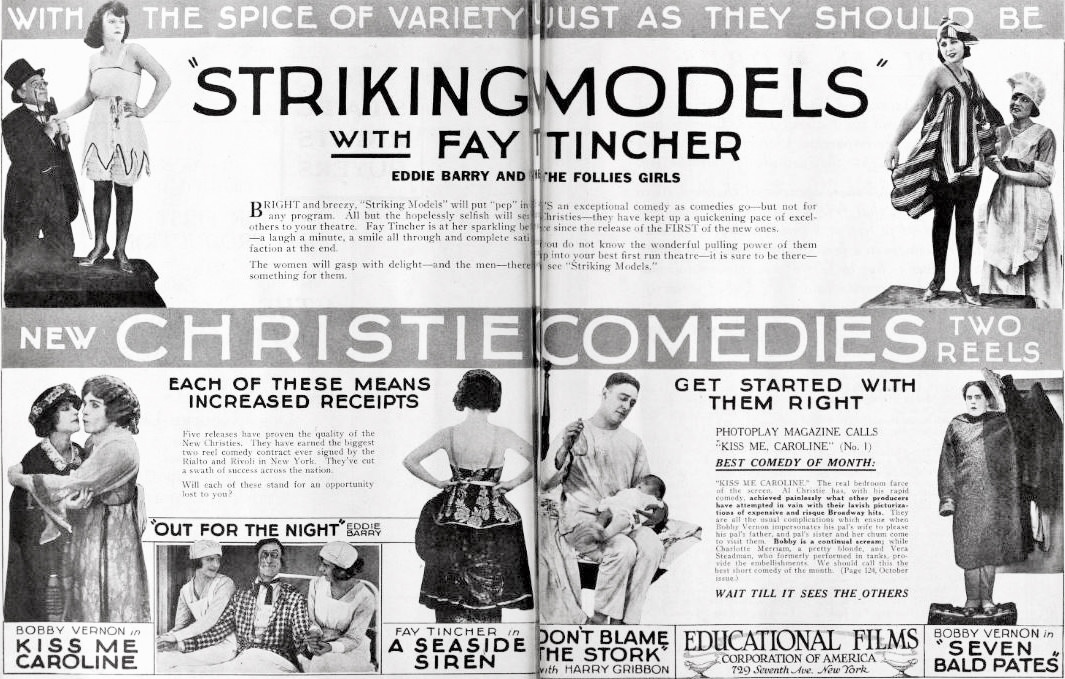
Reggie Morris
Community
Log in to comment.
" A nitrate séance: when the projector’s carbon arc becomes the Ouija’s candle, the dead speak in splice-jumps. There are films you watch, and then there are films that watch you back—celluloid predators that smell the salt of your pulse and rearrange their emulsion accordingly. Tell Us, Ouija! belongs to the latter taxonomy, a 1923 one-reeler so scarce that even the Library of Congress admits its sole surviving print is “65% ashes.” Yet what remains is a lacework of hallucination, a nickelodeon..."

Deep dive into the cult classic
Discover similar cinematic experiences
A Directorial Spotlight on Malcolm St. Clair