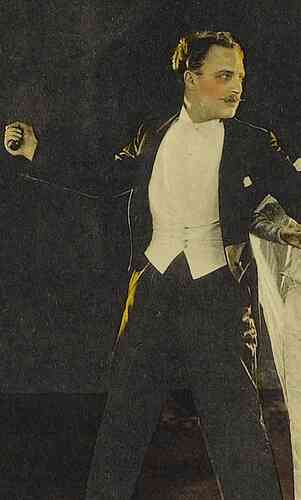
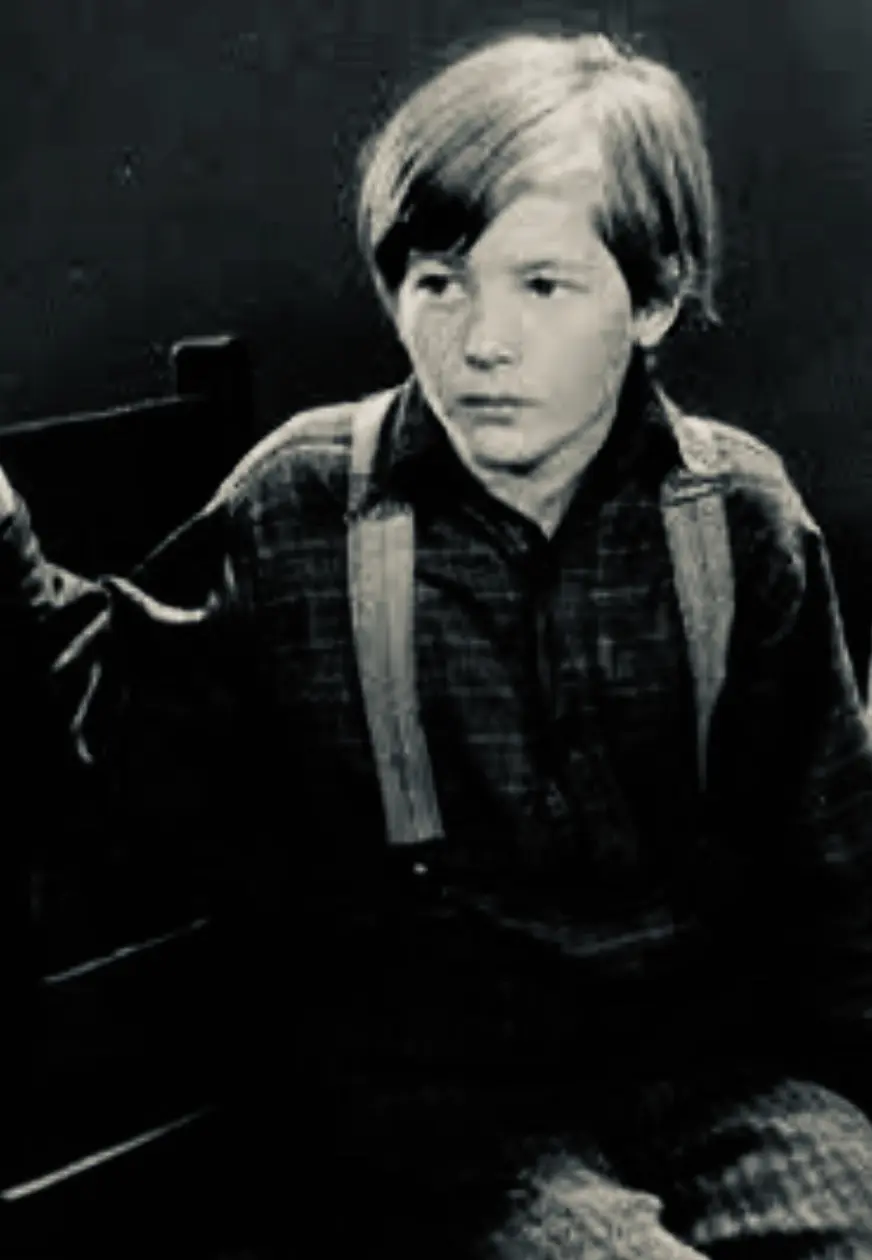
A young girl is seduced and raped by an older middle class man in Victorian England. After moving on with her path, she gets married.
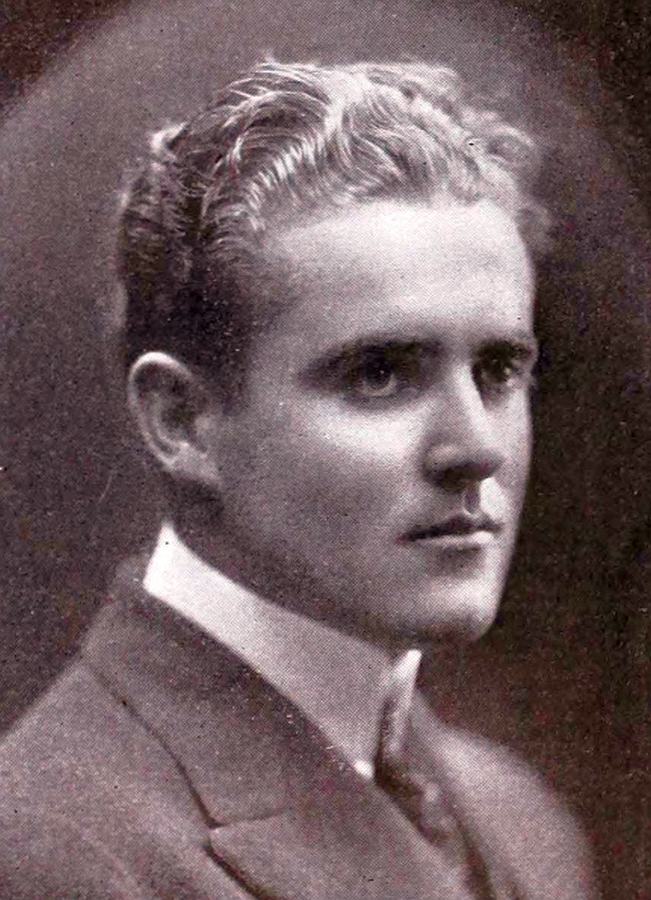
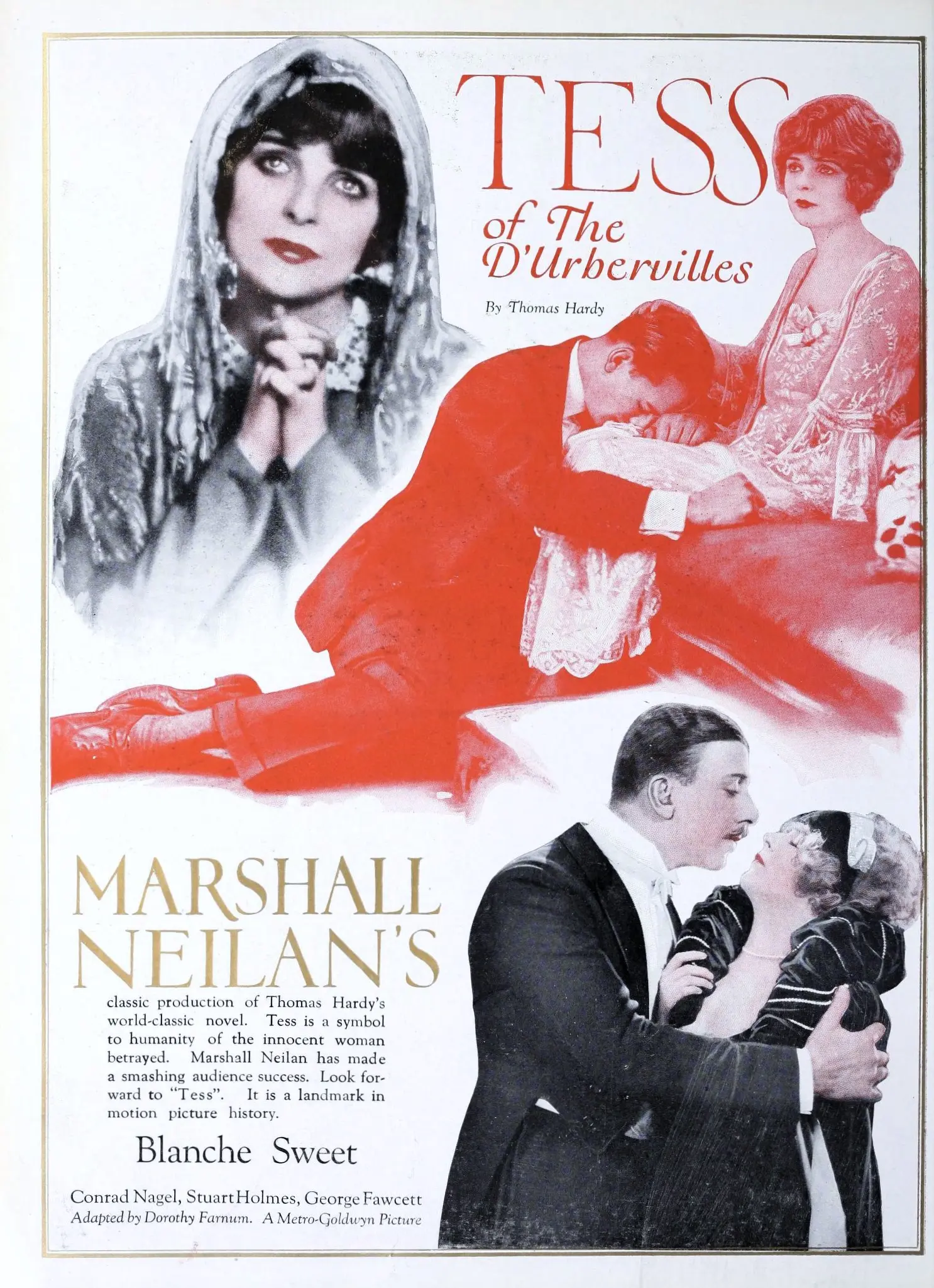
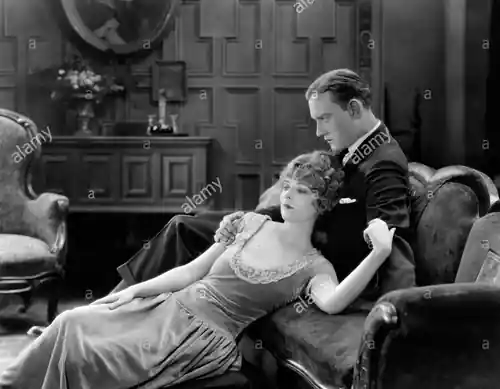
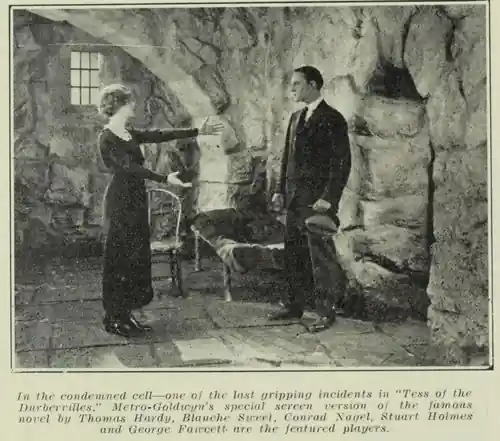
The Silent Resonance of a Pure Woman Cinema in the mid-1920s was often characterized by a burgeoning sophistication in visual grammar, yet few films attempted the psychological density required to adapt Thomas Hardy. The 1924 iteration of Tess of the D'Urbervilles stands as a monumental, if occasionally over...

still_frame
still_frame
still_frame
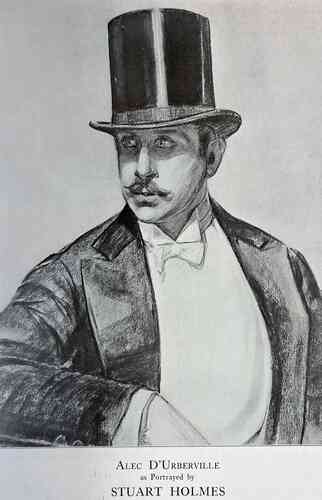
publicity

production_art

still_frame
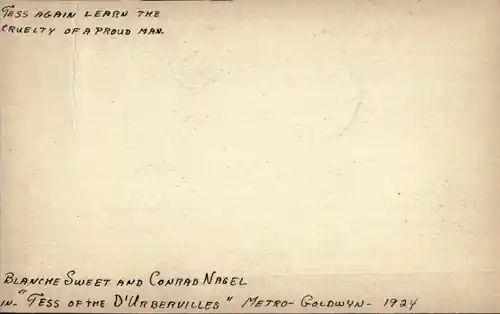
production_art
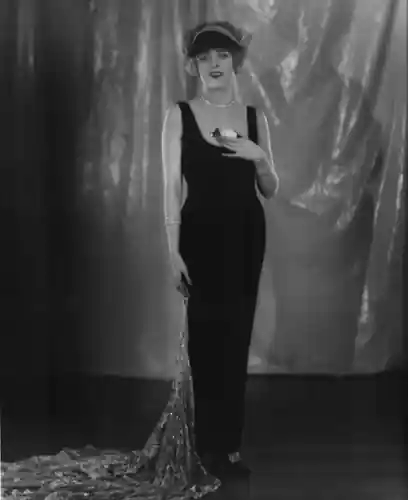
publicity

Comparing the cinematic DNA and archive impact of two defining moments in cult history.
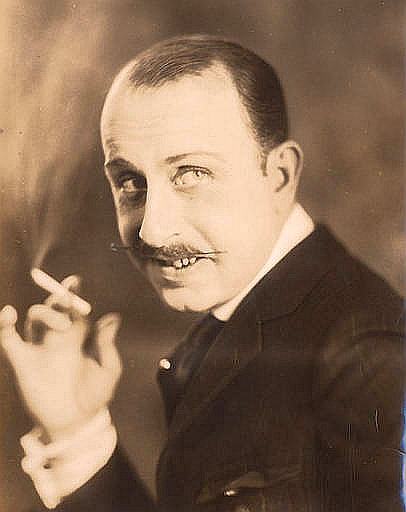
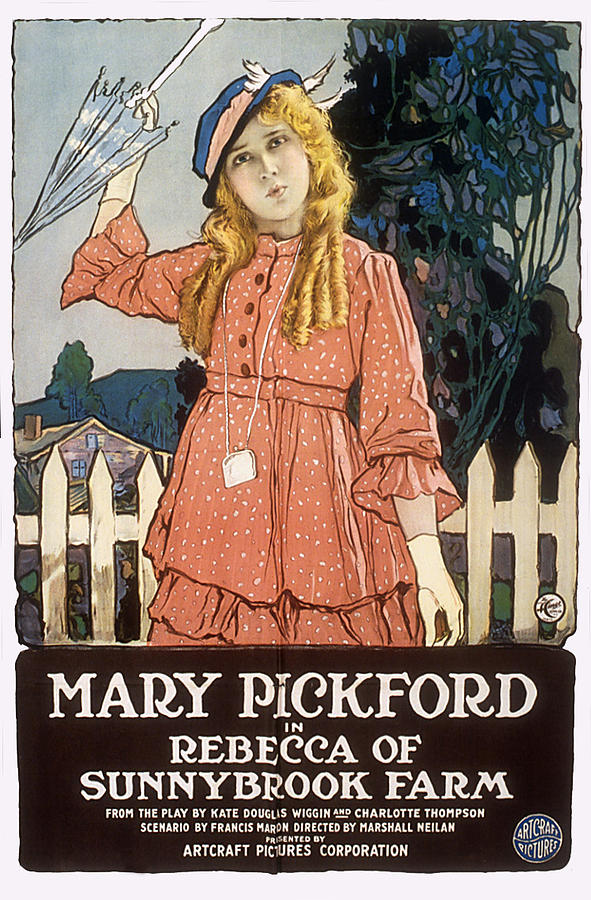
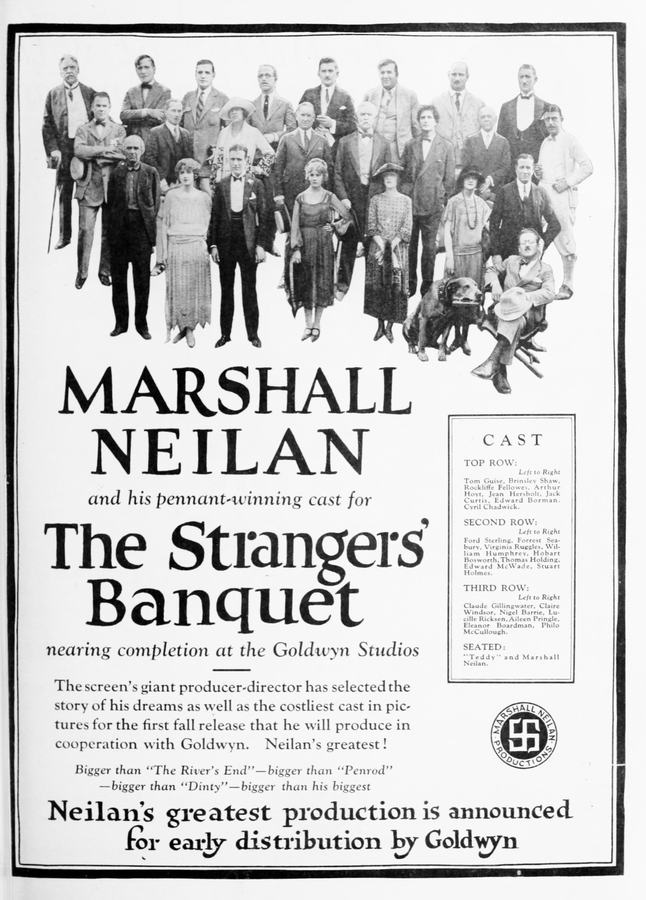
Marshall Neilan
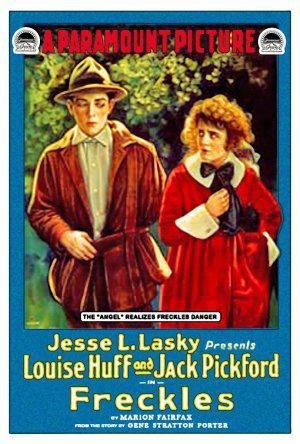
Marshall Neilan
Community
Log in to comment.
" The Silent Resonance of a Pure Woman Cinema in the mid-1920s was often characterized by a burgeoning sophistication in visual grammar, yet few films attempted the psychological density required to adapt Thomas Hardy. The 1924 iteration of Tess of the D'Urbervilles stands as a monumental, if occasionally overlooked, achievement in the silent era’s ability to convey systemic injustice through the prism of individual suffering. Unlike the lighthearted romps of the period, such as Don't C..."
Dorothy Farnum, Charles E. Whittaker, Thomas Hardy
United States


Deep dive into the cult classic
Discover similar cinematic experiences
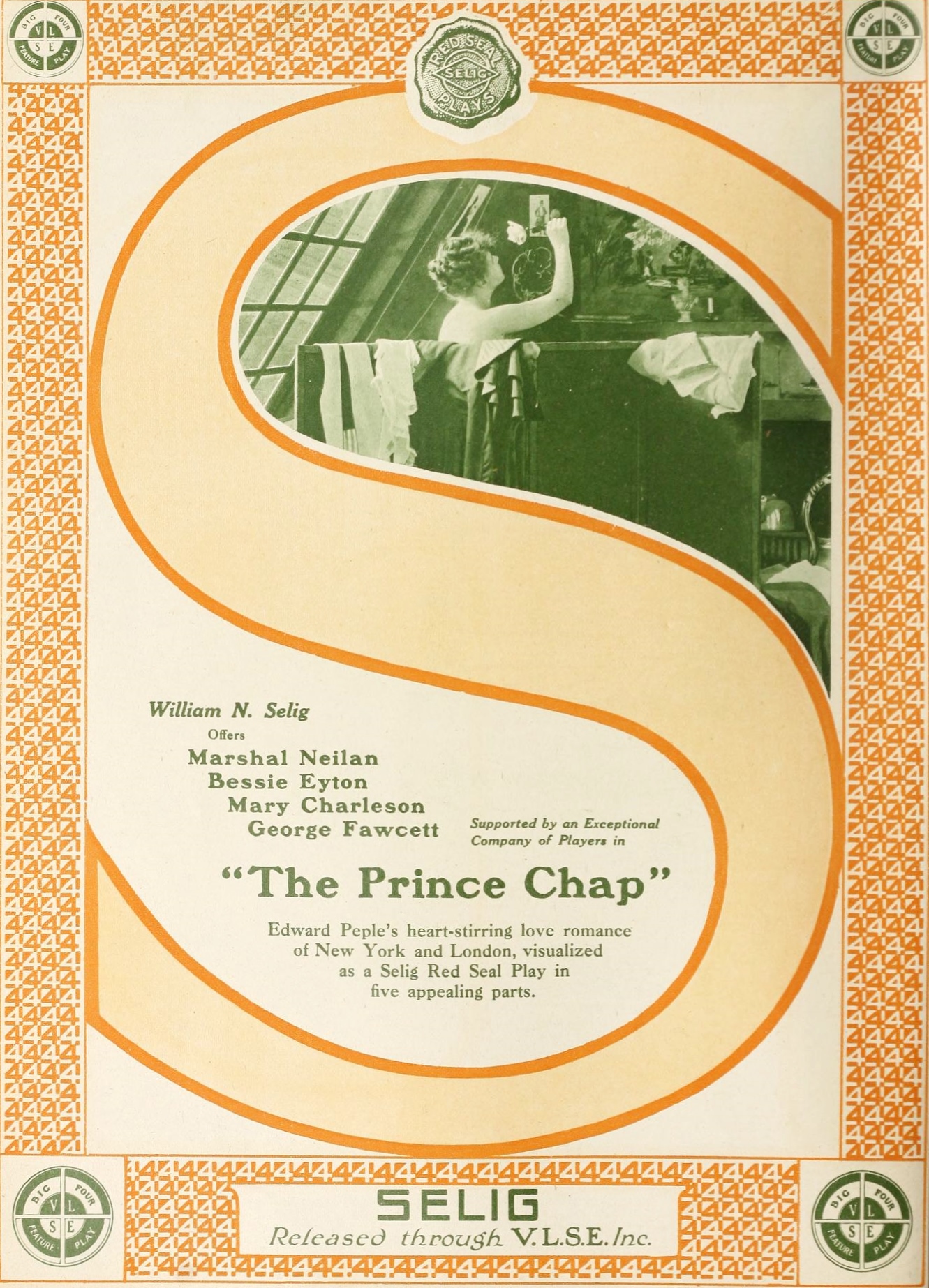
A Directorial Spotlight on Marshall Neilan