DbcultAccessing Vault...
4.2/10
Senior Film Conservator
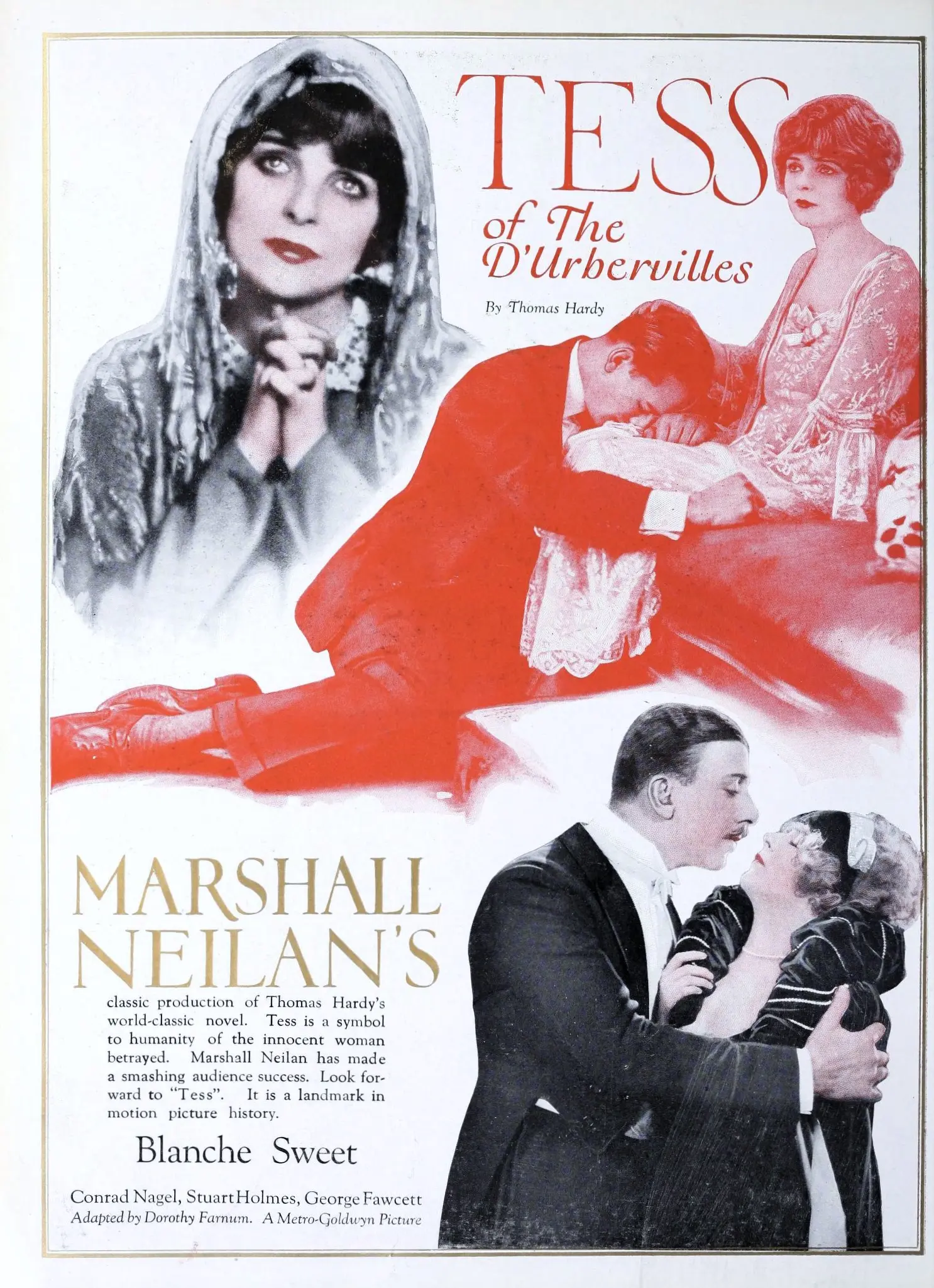
A definitive 4.2/10 rating for a film that redefined the boundaries of cult cinema. Tess of the D'Urbervilles remains a cornerstone of transgressive art.
Cinema in the mid-1920s was often characterized by a burgeoning sophistication in visual grammar, yet few films attempted the psychological density required to adapt Thomas Hardy. The 1924 iteration of Tess of the D'Urbervilles stands as a monumental, if occasionally overlooked, achievement in the silent era’s ability to convey systemic injustice through the prism of individual suffering. Unlike the lighthearted romps of the period, such as Don't Call Me Little Girl, this production leans heavily into the fatalistic gloom that defined Hardy’s Wessex.
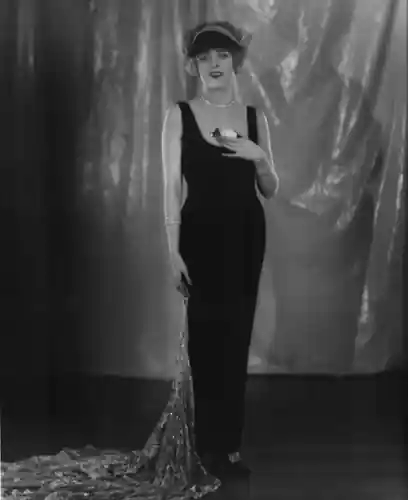
Blanche Sweet, an actress of remarkable emotional elasticity, inhabits the role of Tess with a vulnerability that transcends the silent medium's typical histrionics. Her performance is a masterclass in internal monologue expressed through the eyes. When we first encounter her, she is a creature of the earth, vibrant and unblemished. However, the shadow cast by Stuart Holmes’ Alec d’Urberville is long and suffocating. Holmes portrays Alec not as a mustache-twirling villain, but as a more insidious breed of middle-class predator—a man whose sense of entitlement is as vast as his family’s ill-gotten wealth. This dynamic creates a tension that is far more palpable than the standard melodramas of the time, such as Her Moment.
The visual composition of the film utilizes the pastoral landscape as a silent witness to Tess’s degradation. There is a haunting quality to the way the camera lingers on the rolling hills, contrasting the indifferent beauty of nature with the cruel specificity of Victorian social laws. While films like Armenia, the Cradle of Humanity under the Shadow of Mount Ararat used landscape for documentary grandeur, director Marshall Neilan employs it here to underscore Tess's isolation. She is a figure increasingly out of place, a nomad in her own ancestral lands.
The arrival of Angel Clare, played with a complex blend of idealism and narrow-mindedness by Conrad Nagel, offers a flickering beacon of hope. Nagel’s portrayal is crucial; he must be sympathetic enough for the audience to desire his union with Tess, yet rigid enough to make his eventual rejection of her believable. The scene of their mutual confession is the film's fulcrum. As Angel reveals his own past indiscretions, Tess believes she has found a kindred spirit in forgiveness. The subsequent shift in Nagel’s demeanor—from doting lover to cold judge—is a searing indictment of the era's double standards. It echoes the thematic weight found in What Love Will Do, though with a much more tragic finality.
"A daughter of the soil, Tess becomes a ghost in the machinery of social progress and moral rigidity."
The middle act of the film follows Tess through a series of grueling labors. The cinematography here takes on a grittier, almost naturalist tone. We see her at the flint-strewn fields, her beauty eclipsed by the drudgery of survival. This section of the film avoids the frantic pacing of contemporary comedies like Call a Taxi or Monty Works the Wires, choosing instead a rhythmic, somber tempo that mirrors the protagonist's exhaustion. The writers, Dorothy Farnum and Charles E. Whittaker, deserve credit for maintaining the bleak integrity of Hardy’s prose, refusing to sanitize the narrative for a Hollywood ending.
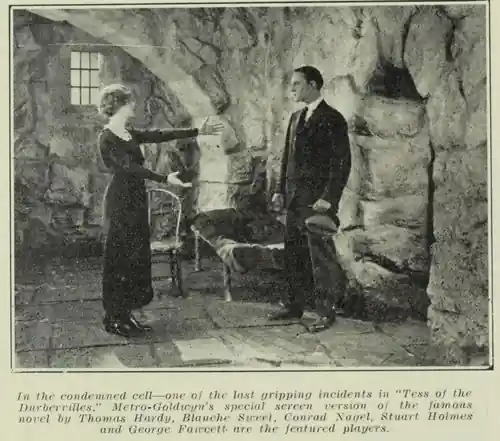
Tess’s eventual return to Alec is not an act of love, but one of crushing necessity and familial duty. This is where the film achieves its most profound pathos. Blanche Sweet portrays Tess as a woman who has already died inside; she is a specter inhabiting a living body. When Angel Clare finally returns, seeking the very forgiveness he once denied, the irony is excruciating. The murder of Alec d’Urberville is handled with a restraint that heightens its impact. It is not a moment of triumph, but a final, desperate reclamation of agency. This sequence stands in stark contrast to the genre-driven violence of Fantomas - On the Stroke of Nine, where action serves plot; here, the action serves the soul.

The finale at Stonehenge is perhaps one of the most iconic images in silent cinema. The ancient monoliths provide a prehistoric backdrop to a very modern tragedy. As the sun rises and the authorities close in, there is a sense of cosmic inevitability. The film suggests that Tess was never just a victim of Alec or Angel, but of time itself. Her execution is not shown with graphic detail, but the lingering shots of the black flag being raised over the prison are more haunting than any direct depiction of death could be. It leaves the viewer with a profound sense of indignation and sorrow.
When compared to other works of the era, Tess of the D'Urbervilles occupies a unique space. While The Fortune Teller explores the mystical and the performative, Neilan’s film is rooted in the soil and the sweat of reality. It lacks the whimsical escapism of June Madness or the high-stakes adventure of Michael Strogoff. Instead, it offers a sobering meditation on the fragility of reputation and the permanence of trauma. Even in the realm of westerns like Pure Grit or Bull Arizona - The Legacy of the Prairie, where justice is often swift and clear-cut, the moral ambiguity of Tess’s world feels startlingly modern.

The supporting cast, including Joseph J. Dowling and Victory Bateman, provide a solid foundation of rural authenticity. Even the smaller roles, like those played by George Fawcett or the young Billy Butts, contribute to a sense of a lived-in community—a community that is both the source of Tess’s identity and the engine of her destruction. This ensemble approach creates a world that feels as complete as the one depicted in Beatrice Fairfax Episode 9: Outside the Law, though the stakes here are significantly more existential.
Technically, the film is a marvel of light and shadow. The interior scenes at the dairy and the d'Urberville estate are lit with a crepuscular beauty that highlights the textures of the period costumes and sets. The editing, while following the conventions of the time, allows for moments of quiet reflection that are often absent in more frantic productions like A Pair of Sixes or the avant-garde experiments of Le peripezie dell'emulo di Fortunello e compagni. Neilan understands that the power of Hardy lies in the silences between the tragedies.

In conclusion, the 1924 adaptation of Tess of the D'Urbervilles is a staggering achievement that deserves a place in the pantheon of great silent dramas. It is a film that refuses to blink in the face of human cruelty, yet manages to find a profound, aching beauty in its protagonist’s resilience. Blanche Sweet’s Tess is a haunting reminder of the cost of social hypocrisy, a performance that resonates across the century with undiminished power. It is a cinematic experience that demands contemplation, long after the final frame has faded into the darkness of history.

IMDb 5.9
1936
Community
Log in to comment.