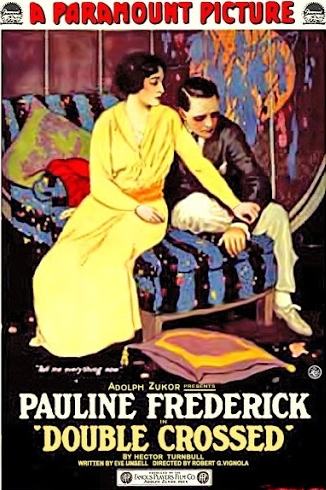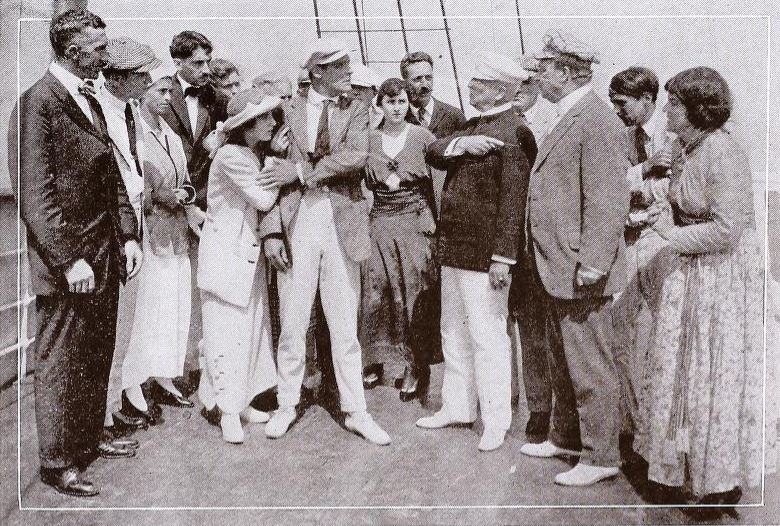
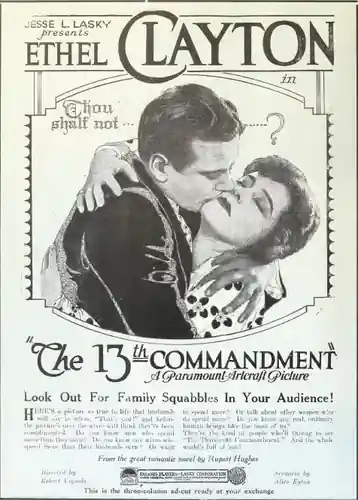
Disillusioned by the transience of wealth when her father's bank balance can no longer support his family's posh life style, and when her fiancé Clay Wimborn admits that he has gone into debt to shower her with presents, Daphne Kip determines to become financially independent. Her determination solidifies upon her brother Bayard's marriage to an extravagant chorus girl, after which Daphne strikes out on her own.

Rupert Hughes, Alice Eyton
United States
Unveiling the Radical Spirit of 'The 13th Commandment' In an era often romanticized for its opulent facades and rigid social conventions, a cinematic gem emerged to challenge the very foundations of societal expectation. Rupert Hughes and Alice Eyton’s "The 13th Commandment," a silent film starring th...

production_art
production_art

still_frame


Comparing the cinematic DNA and archive impact of two defining moments in cult history.
Robert G. Vignola
Robert G. Vignola
Community
Log in to comment.
" Unveiling the Radical Spirit of 'The 13th Commandment' In an era often romanticized for its opulent facades and rigid social conventions, a cinematic gem emerged to challenge the very foundations of societal expectation. Rupert Hughes and Alice Eyton’s "The 13th Commandment," a silent film starring the compelling Jane Wolfe, is far more than a mere period piece; it's a prescient exploration of female agency, financial independence, and the inherent worth of self-reliance. This ..."

Deep dive into the cult classic
Discover similar cinematic experiences
A Directorial Spotlight on Robert G. Vignola