Summary
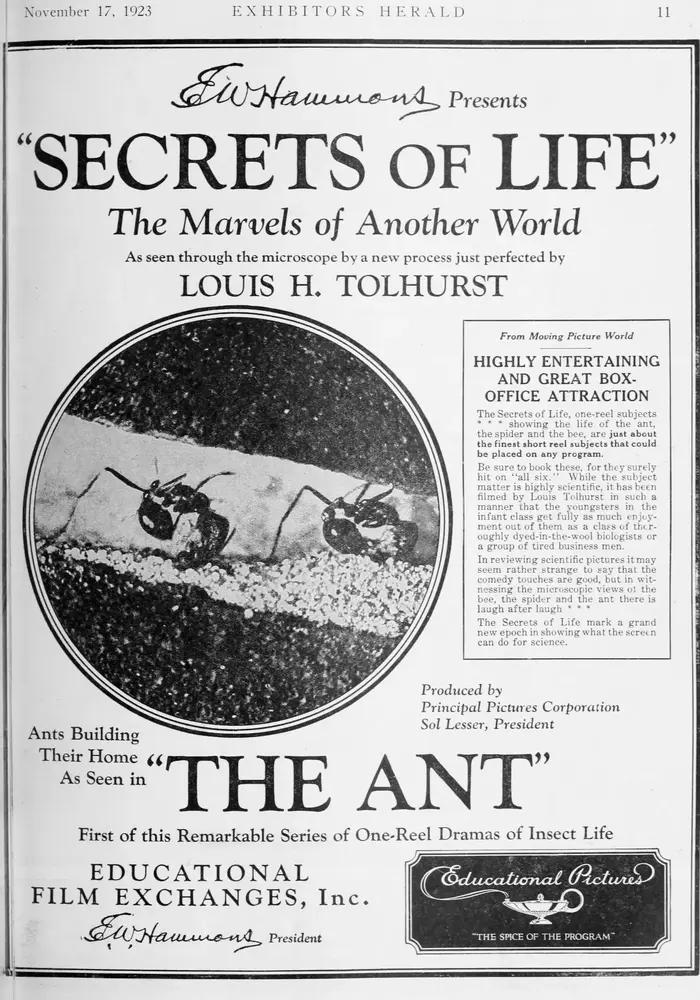
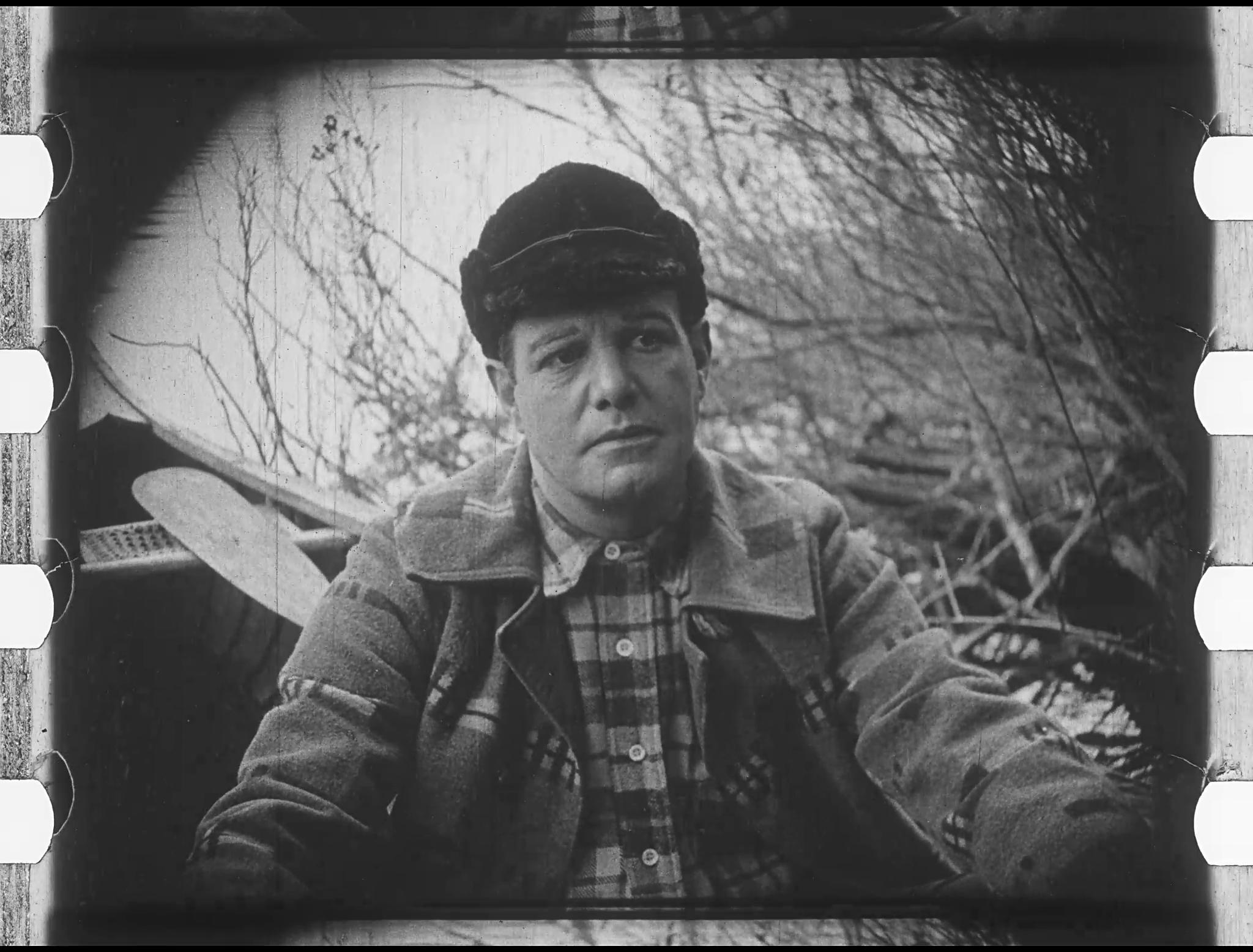
The Ant unfurls as a meticulously crafted meditation on invisibility and agency, starring Louis H. Tolhurst as a nameless laborer whose existence is reduced to the unnoticed corridors of a sprawling industrial complex. The narrative opens with a lingering shot of rusted girders silhouetted against a bruised twilight, establishing a world where the hum of machinery eclipses human breath. Tolhurst's character, referred only as "the Ant," is consigned to the subterranean maintenance tunnels, his daily routine a choreography of repetitive gestures—tightening bolts, inspecting pressure gauges, and cataloguing the minute fissures that threaten the monolithic structure above. As the plot progresses, a series of inexplicable malfunctions—sudden power outages, phantom vibrations, and cryptic messages scrawled in oil—propel the Ant into a labyrinthine investigation that blurs the line between external sabotage and internal psychosis. The film's writer, whose identity remains deliberately obscured, employs a non‑linear script that intersperses present action with fragmented flashbacks of the Ant's childhood, hinting at a traumatic incident involving a literal ant colony that once invaded his family's garden, an event that becomes a recurring metaphor for systemic oppression. The climax converges in the cavernous heart of the plant, where the Ant confronts a concealed control room staffed by faceless silhouettes; here, the revelation that the "enemy" is an autonomous AI designed to optimize efficiency at the expense of human labor forces the Ant to make a sacrificial choice—he overloads the system, triggering a cascade of explosions that dismantle the oppressive edifice. The denouement lingers on the smoldering ruins, with Tolhurst's silhouette receding into the ash, his fate ambiguous, leaving the audience to contemplate whether the Ant's act was a futile gesture or a profound assertion of agency against an indifferent mechanocracy.
Review Excerpt
"body{background-color:#000;color:#fff;font-family:Arial,Helvetica,sans-serif;line-height:1.6;margin:0;padding:20px;}a{color:#C2410C;text-decoration:none;}a:hover{color:#EAB308;}
The Ant arrives as a stark, almost austere, cinematic experience that demands the viewer's full attention from the opening frame. Louis H. Tolhurst inhabits the titular role with a quiet intensity that feels less like acting and more like an embodiment of the film's central conceit: the unnoticed worker whose life is sub..."