Summary
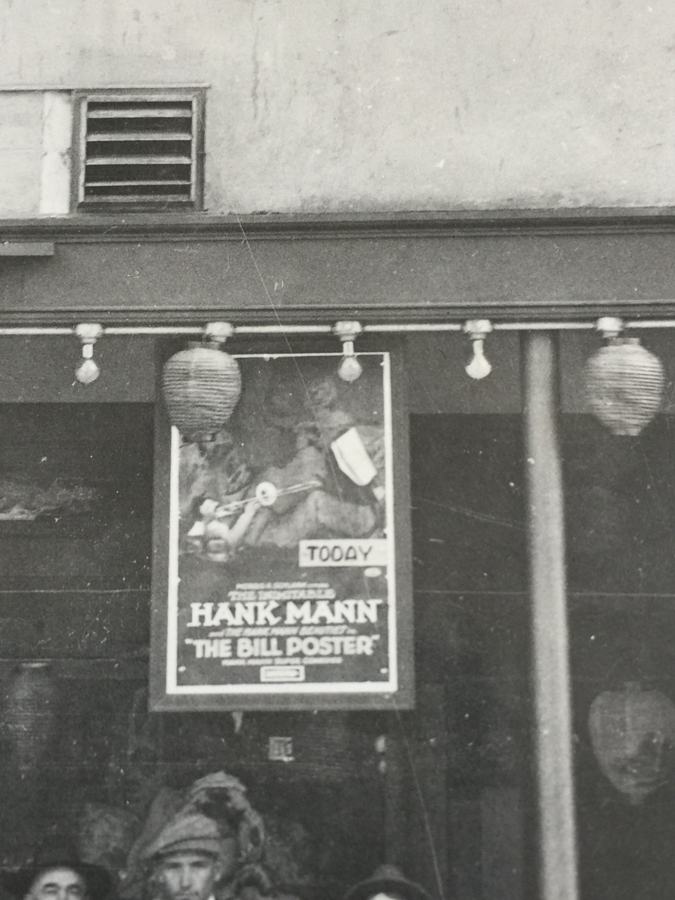
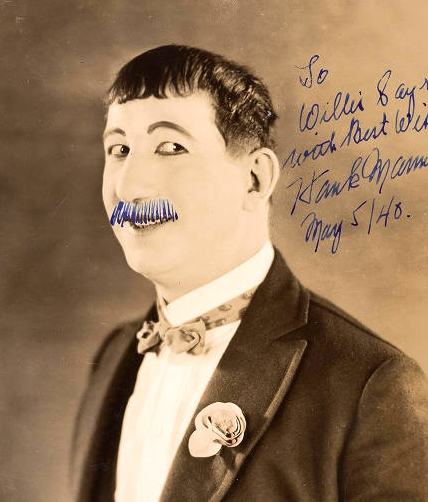
A sun-bleached alley becomes a proscenium for catastrophe when Hank Mann’s laconic paper-hanger—a human tape dispenser with bowler askew—attempts to plaster a gargantuan circus placard across the splintering clapboard of a mercantile wall. Each slap of wheatpaste ricochets like musket-fire, alerting Madge Kirby’s gingham-clad prankster, who materializes from a baker’s doorway trailing the yeasty perfume of mischief. She snatches the glue-brush, daubs a crescent on Mann’s nose, and the chase is on—past Vernon Dent’s apoplectic constable, whose mustache corkscrews upward like a startled fern, through Jess Weldon’s marching band of sousaphones and runaway tubas that bleat like hippopotami in mourning. The poster itself, a chromolithographic sphinx promising trapeze sprites and fire-eating sphinxes, peels free in a single triumphant sheet and becomes a sail, a veil, a shroud; it billows over the town square, briefly eclipsing the sun and turning the dusty street into a nickelodeon auditorium where shadows perform a pantomime of entropy. Mann, now half-man, half-billboard, staggers through a labyrinth of clotheslines that stripe him like a barber pole until the paper splits along the perforations of his own hubris, revealing the carnival’s true slogan: “Laughter—Ten Cents a Scream.” In the final iris shot, the torn fragments swirl upward like disbanded angels while Kirby, perched on a lamppost, pastes the last scrap on the moon itself—an ephemeral graffiti that mocks the very idea of permanence.
Review Excerpt
"
The Bill Poster is not so much a film as a flurry of confetti hurled into the machinery of municipal order, a kinetic collage in which the very act of advertisement becomes a criminal offense against gravity and good taste. Shot in the pallid smog of 1920 Los Angeles—when the air still tasted of orange groves and unfiltered cigarette smoke—this one-reel prank trusts celluloid more than script, trusting that the audience will happily trade coherence for the spectacle of Hank Mann’s elastic carca..."