Summary
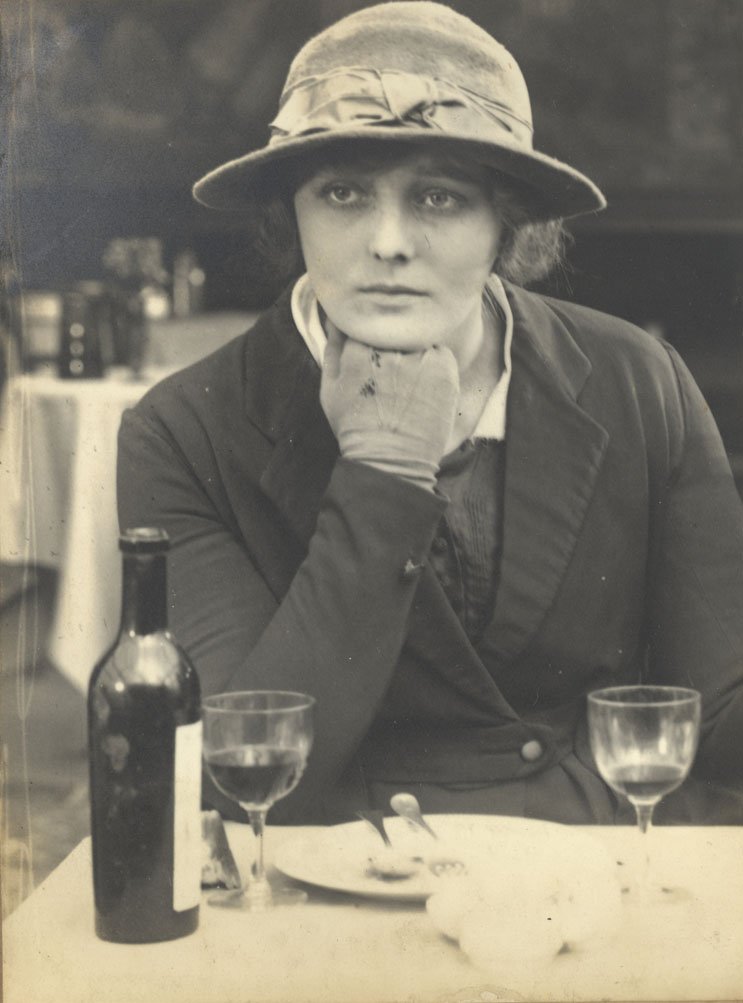
A cerulean-plumed vagabond—half-myth, half-fugitive—tumbles out of a cobalt dusk into the smudge-gray arterials of an unnamed Eastern seaboard metropolis, circa 1913. Cloaked in a thrift-store coat stitched from cinema itself, he carries only a tarnished harmonica and a photograph whose emulsion is flaking into illegibility. Street urchins christen him “Blue Jay” for the sapphire feather he bartered from a Bowery taxidermist, yet every whistle of the instrument detonates a memory: a prairie wife humming lullabies to an empty cradle, a riverboat gambler who wagered his shadow and lost, a one-armed union agitator reciting Whitman to strike-breakers. The city, jittery from trolley sparks and newsboys shouting of war across oceans, mistakes the stranger’s music for prophecy; suddenly ward heelers, Salvation Army lassies, and penthouse heiresses converge on the same tenement stoop, each convinced the Jay’s off-key requiem is their private future compressed into sound. Over one electric fortnight he ricochets through basement gin-joints, rooftop pigeon coops, and a shuttered nickelodeon where forgotten newsreels flicker like dying galaxies, collecting stories the way other drifters collect cigarette buttes. When a constable cracks the harmonica underfoot during a skid-row raid, the Blue Jay’s past bursts out as celluloid confetti: frames of lynch-mob bonfires, of locomotive pistons churning like iron metronomes, of a woman in a wheat field holding a stillborn storm in her apron. In the final reel he trades the splintered instrument to a blind newsie for a single penny, boards a dawn-bound freight, and vanishes—leaving the city to wake with collective amnesia, its elevated screeches suddenly sounding almost like a hymn nobody remembers learning.
Review Excerpt
"
A nickelodeon hallucination stitched from moonlight and soot, The Blue Jay detonates the moth-eaten myth that pre-Griffith American cinema lacked lyrical ambition.
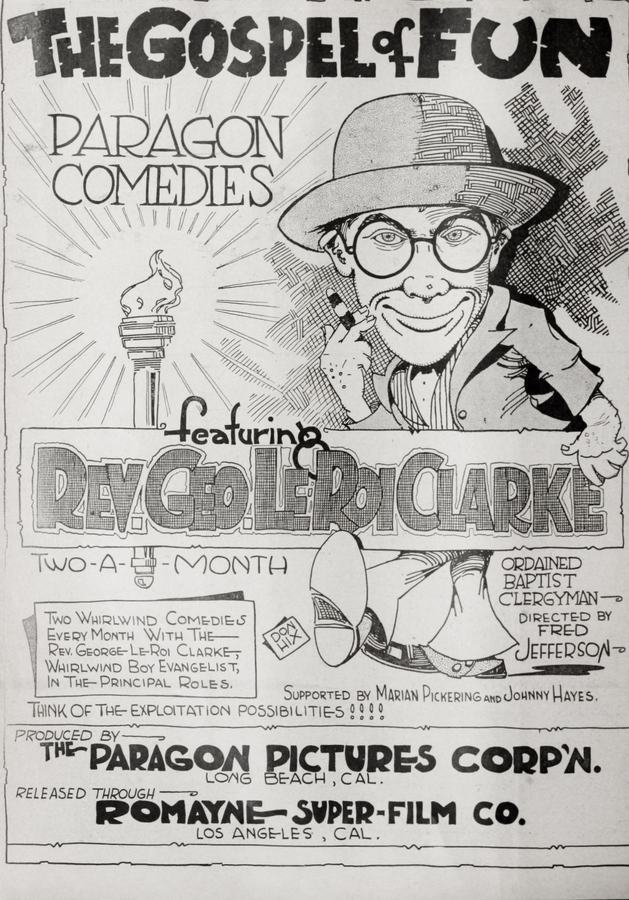
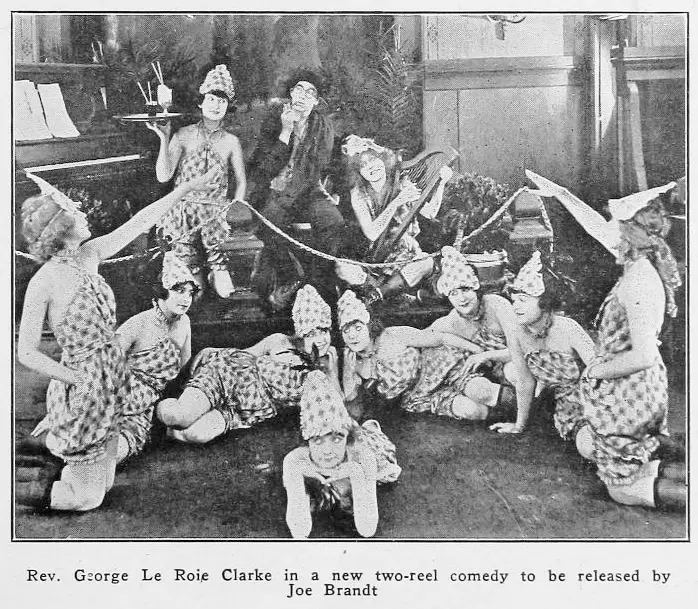
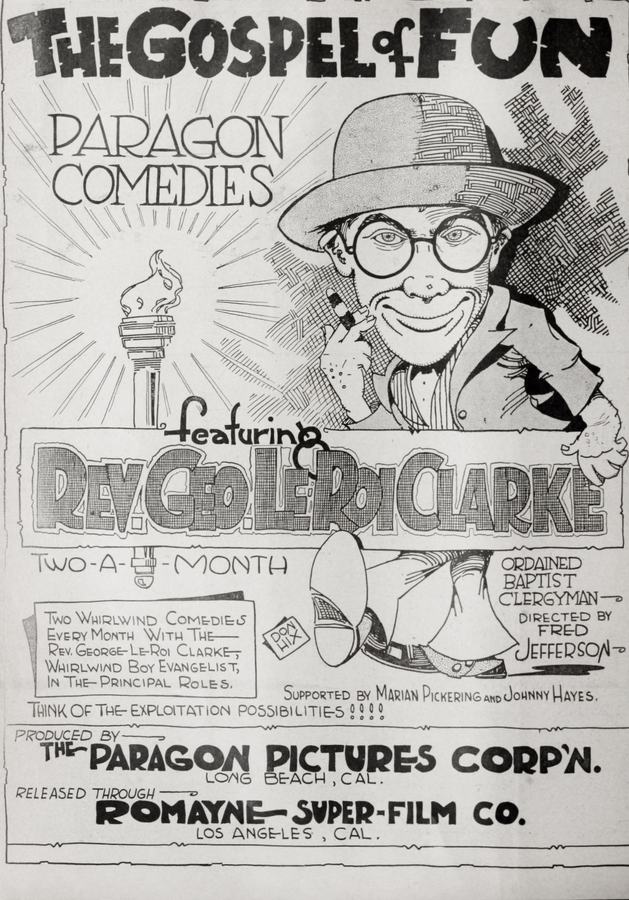
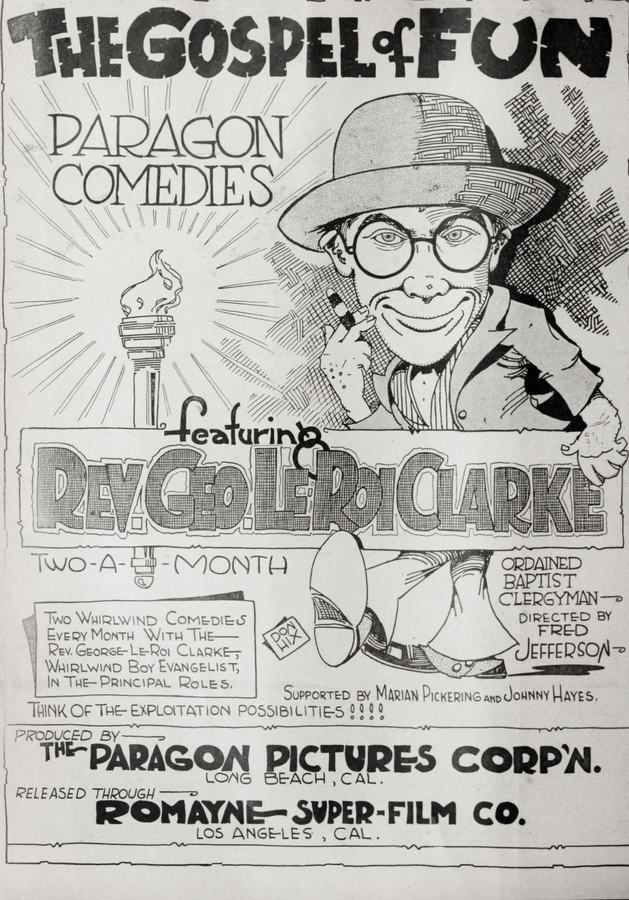
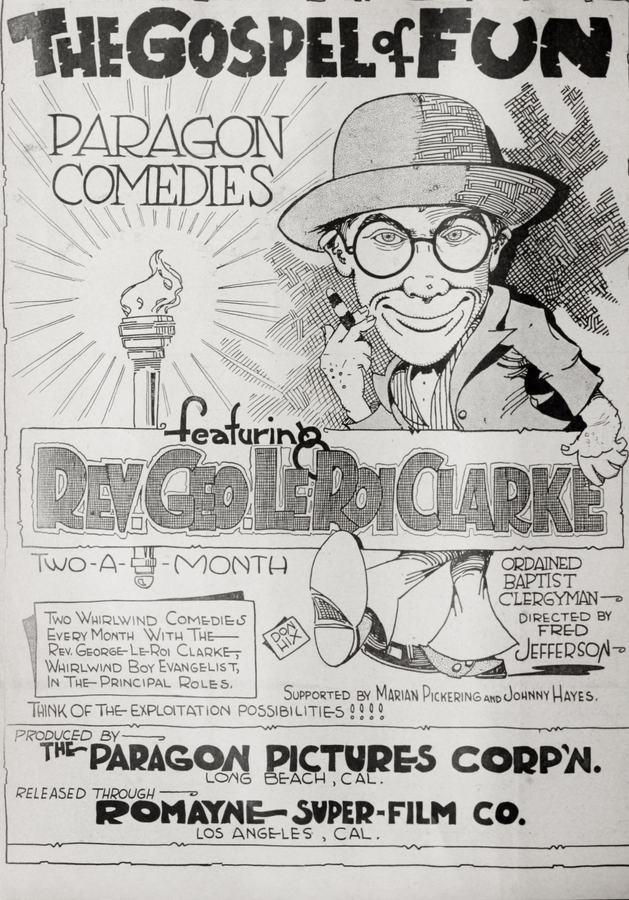
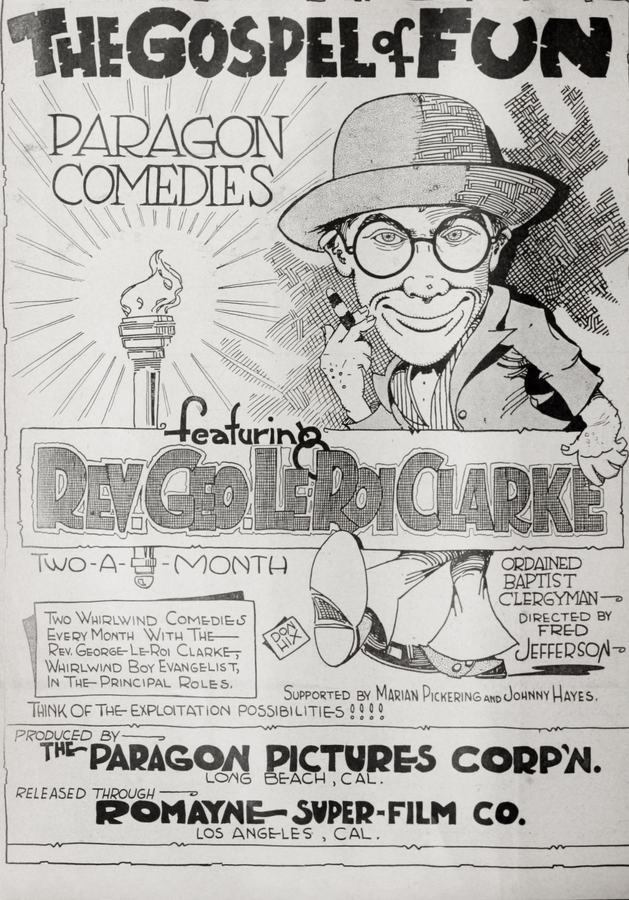
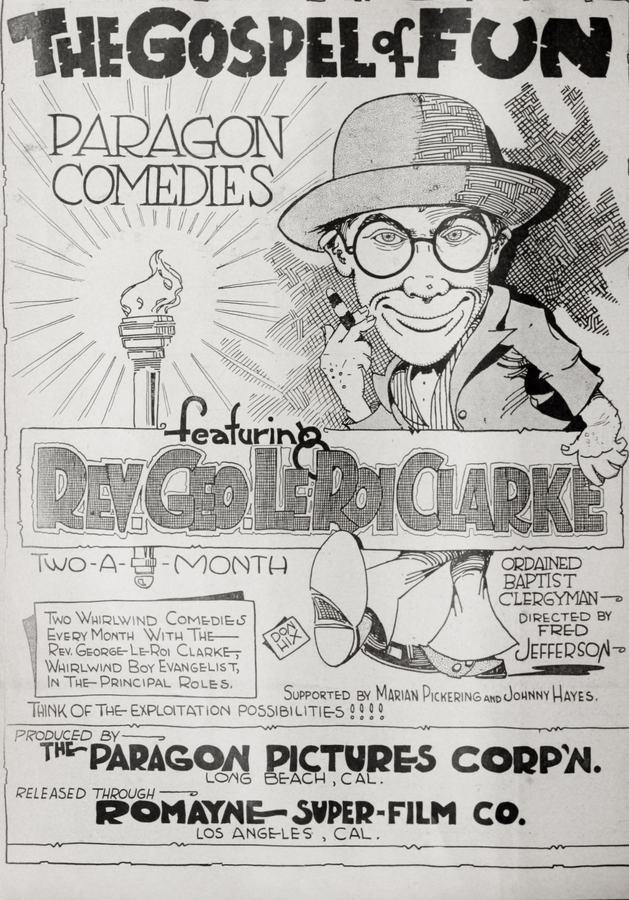
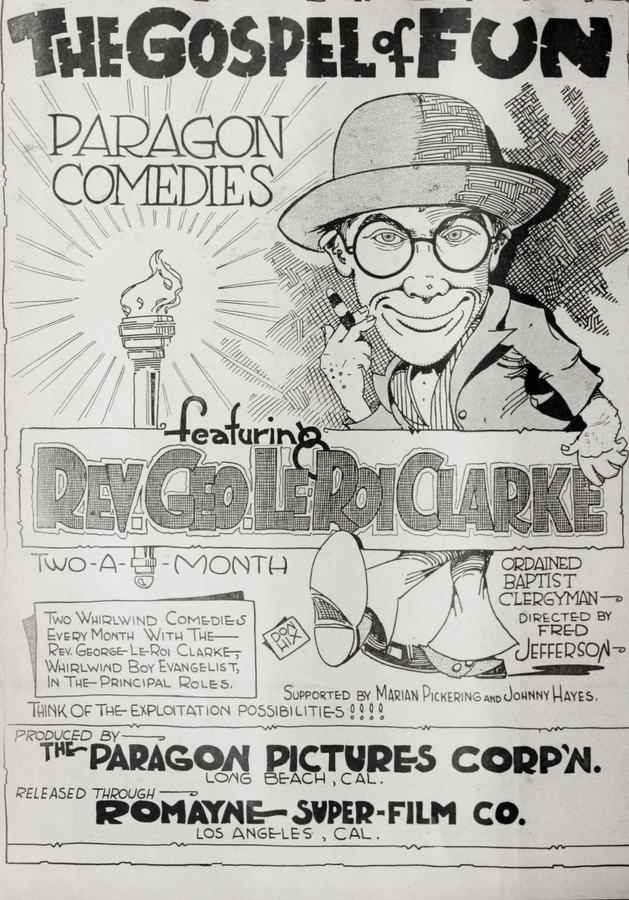
George LeRoi Clarke—part hobo-clown, part flâneur—never so much acts as allows the city to inhabit his marrow. Watch the hinge of his shoulder when a trolley bell clangs: the micro-flinch is Proustian, a whole childhood of prairie fires compressed into a single synaptic spasm. The camera, starved for Kodak’s tungsten blues, instead ..."