Summary
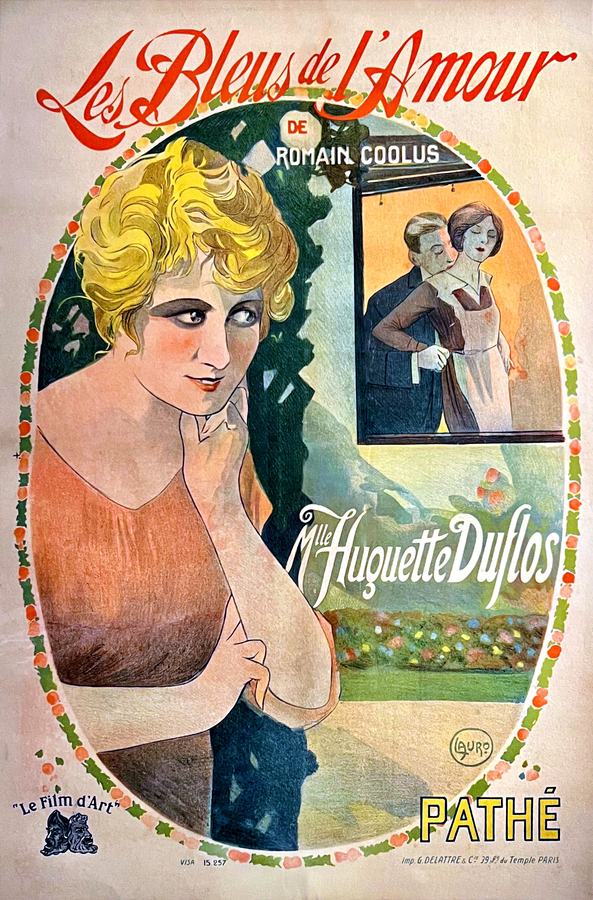
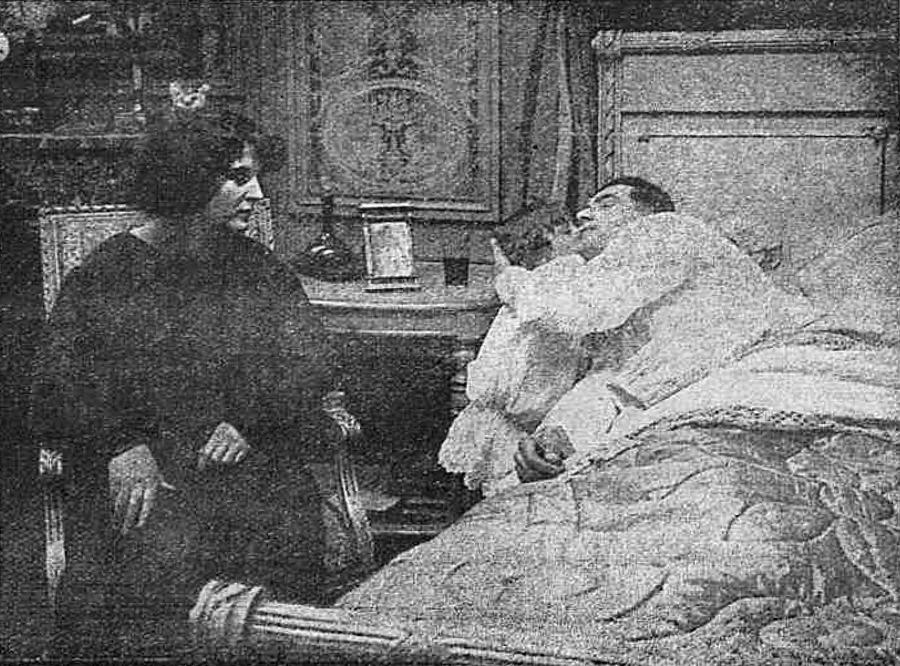
In the melancholic, twilight-tinged boulevards of early 20th-century Paris, Henri Desfontaines’s 'The Blues' orchestrates a poignant symphony of human affliction and fleeting hope. The narrative pivots on Jean-Luc (Henry Laverne), a composer whose prodigious talent is inextricably bound to a profound, almost debilitating sorrow stemming from a past, unspeakable tragedy. His compositions, critically lauded, are veritable tapestries woven from despair, rendering him a reclusive figure, an artist perpetually steeped in the 'blues' of his own making. His hermetic existence is momentarily pierced by the radiant vivacity of Geneviève (Huguette Duflos), a dancer whose incandescent spirit promises a counterpoint to his internal gloom. Their burgeoning connection is a delicate, often fraught, pas de deux between shadow and light, as Geneviève endeavors to rekindle joy within his burdened soul, while Jean-Luc grapples with the chasm between his artistic melancholy and the daunting prospect of personal felicity. This fragile romance is, however, imperiled by the insidious machinations of Madame Dubois (Blanche Ritter), a society figure whose unrequited affections for Jean-Luc morph into a venomous campaign to discredit Geneviève. With supporting turns from the grounded counsel of Maurice (Louis Baron fils) and the nuanced portrayal of Geneviève’s confidante (Denise Grey), the film builds to a crescendo where Jean-Luc must confront not only his entrenched inner demons but also the external forces threatening his nascent happiness. His ultimate resolution, articulated through a transcendent musical performance, becomes a bittersweet testament to the synthesis of enduring sorrow and the audacious embrace of an uncertain, yet hopeful, future.
Review Excerpt
"
There are certain cinematic works that, irrespective of their vintage, manage to articulate the ineffable currents of the human spirit with an enduring resonance. Henri Desfontaines's 'The Blues' stands as one such creation, a profound exploration of sorrow, artistic expression, and the often-elusive quest for solace. It is a film that, even a century removed from its genesis, speaks volumes about the internal landscapes we inhabit, the shadows we cast, and the glimmers of light we..."