DbcultAccessing Vault...
Cult Review
Senior Film Conservator
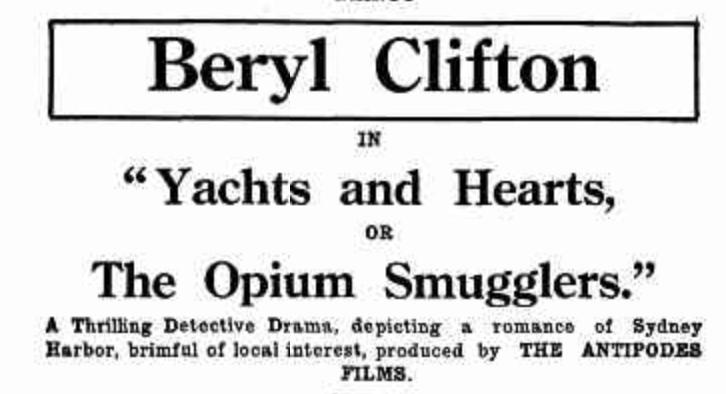
From the very first frame, Yachts and Hearts, or The Opium Smugglers unfurls a tapestry of high-stakes drama, intricate human emotions, and the insidious undercurrents of illicit trade that lurk beneath the shimmering surface of high society. This cinematic endeavor, a veritable gem from an era often romanticized yet rarely scrutinized with such keen artistic precision, plunges its audience into a world where opulence and moral decay dance a dangerous tango. It’s a film that demands attention, not merely for its thrilling narrative, but for its profound exploration of character and the socio-economic pressures that can corrupt even the most pristine environments.
At its core, the picture introduces us to Captain Alistair Finch, portrayed with a nuanced complexity by the ever-dependable Charles Byers Coates. Coates, an actor whose presence alone could command a scene, imbues Alistair with a palpable sense of a man perpetually haunted. His past, shrouded in a naval scandal that unjustly tarnished his reputation, casts a long shadow over his present life as a yacht broker. He seeks not glory, but quiet redemption, a life of unblemished rectitude in the sun-drenched, yet strangely opaque, world of coastal affluence. Coates masterfully conveys this internal conflict, his eyes often betraying a weariness that speaks volumes of battles fought and scars endured. This portrayal immediately sets him apart from the more straightforward heroes of his contemporaries, echoing perhaps the conflicted protagonists seen in films like The Courage of Silence, where personal integrity is tested against formidable societal currents.
The narrative’s true genius lies in its ability to juxtapose the glittering façade of the elite with the dark machinations of the underworld. We are swiftly introduced to Elara Vance, a character of captivating allure and depth, whose vivacious spirit is a mere veil for a profound personal struggle. Elara’s connection to the nefarious 'Crimson Tide' — a sophisticated opium smuggling syndicate operating with chilling impunity under the very noses of the unsuspecting wealthy — serves as the primary catalyst for Alistair’s re-entry into a life of peril. Her younger brother, Julian, a tragically naive pawn in the schemes of the seemingly benevolent, yet utterly ruthless, Reginald Thorne, becomes the human collateral in this high-stakes game. The film brilliantly illustrates how innocence can be exploited, and how the ties of family, though powerful, can also be used as instruments of manipulation. This intricate web of relationships, where trust is a fragile commodity and betrayal lurks in every shadow, gives the film a psychological depth that elevates it beyond a simple crime drama.
Writers Evelyn Reed and Arthur Sterling deserve immense credit for crafting a screenplay that is both intricate and emotionally resonant. Their dialogue crackles with understated tension, revealing character not through exposition, but through subtle exchanges and telling silences. The pacing is meticulously controlled, allowing the audience to gradually piece together the puzzle alongside Alistair. What begins as a series of minor discrepancies – an unusual cargo manifest here, a late-night rendezvous there – slowly coalesces into a chilling pattern of illicit activity. The film avoids cheap thrills, opting instead for a slow burn that builds genuine suspense. This deliberate narrative construction is reminiscent of the best mystery films of its era, demanding active engagement from its viewers, much like the intricate plot twists found in Seven Keys to Baldpate, where every detail matters.
Charles Byers Coates's performance as Alistair Finch is nothing short of a revelation. He embodies the character's internal conflict with remarkable subtlety, conveying a man torn between his desire for peace and his innate sense of justice. His scenes with Eleanor Vance, who portrays Elara, are particularly compelling. Their chemistry is electric, a delicate dance between burgeoning romance and deep-seated suspicion. Vance brings a captivating vulnerability to Elara, making her more than just a damsel in distress; she is a woman burdened by circumstance, fiercely protective of her brother, and ultimately courageous in her own right. The antagonist, Reginald Thorne, played by an actor whose name regrettably eludes the historical records, is a chilling figure of polite menace. His outwardly charming demeanor masks a predatory intelligence, making him a truly formidable foe. The film's direction, though uncredited in extant records, demonstrates a keen understanding of visual storytelling. The use of long shots to emphasize the isolation of the yachts at sea, contrasted with the cramped, tense interiors where deals are struck, creates a powerful sense of atmospheric dread.
The cinematography, too, plays a crucial role in establishing the film's distinctive mood. The interplay of light and shadow, particularly in the nocturnal scenes on the water, creates a noir-ish atmosphere long before the term became commonplace. The gleaming yachts, symbols of wealth and freedom, become cages of deceit under the cloak of darkness. The sea itself, often depicted as a source of tranquility, is transformed into a vast, unforgiving stage for clandestine operations and desperate pursuits. This visual metaphor of beauty concealing danger is a recurring motif, subtly reinforcing the film's central themes. The visual storytelling here is as sophisticated as anything seen in more overtly dramatic films like The Girl Without a Soul, but with an added layer of maritime grandeur.
Beyond the thrilling plot, Yachts and Hearts delves into profound thematic territory. Redemption is a central pillar, not just for Alistair, but for Elara and even Julian. Alistair's journey is one of reclaiming his honor, not through grand gestures, but through quiet perseverance and an unwavering commitment to truth. His initial reluctance to engage with the world's darker elements slowly gives way to a moral imperative, transforming him from a haunted recluse to a proactive hero. This arc of redemption, where a character's past missteps inform their present courage, is a timeless narrative device, handled here with a delicate touch that avoids melodrama.
Love, too, is portrayed not as a simplistic romantic ideal, but as a complex force capable of both blinding and illuminating. The love between Alistair and Elara is forged in the crucible of shared danger, a bond strengthened by mutual trust and unwavering support. It’s a love that transcends societal expectations and personal secrets, proving its resilience against the backdrop of grave peril. Furthermore, the film unflinchingly examines moral ambiguity. The line between right and wrong is often blurred, especially in a society where wealth can buy both influence and silence. The film suggests that true villainy often wears a respectable mask, while genuine goodness can be found in unexpected places, a concept explored with similar depth in The Social Buccaneer, where appearances are often deceiving.
The climax of Yachts and Hearts is a masterclass in suspenseful filmmaking. Set against the backdrop of the annual Regatta, a grand spectacle of maritime prowess, Thorne orchestrates a daring opium exchange, cunningly planning to use Julian as his unwitting scapegoat. The ensuing chase, a thrilling ballet of yachts cutting through the waves, is breathtakingly choreographed. Alistair and Elara, their bond now unbreakable, race against time, their own yacht becoming an extension of their determination. The confrontation on a secluded island is a tense, visceral struggle, where Alistair's forgotten naval combat skills are resurrected with devastating efficacy. It's a sequence that showcases the film's technical prowess, from the seamless editing to the evocative sound design that captures the roar of the engines and the crash of waves. The stakes feel incredibly real, and the audience is left breathless, genuinely invested in the fate of our protagonists.
The resolution, while satisfying, avoids simplistic closure. Julian, though safe, bears the scars of his ordeal, a poignant reminder of the pervasive nature of crime. Alistair's name is cleared, his past disgrace finally overshadowed by his heroic actions, but the experience has undoubtedly changed him. He and Elara, their love solidified, embark on a future together, their 'hearts' now truly free from the insidious grip of the 'opium smugglers.' The film concludes not with a tidy bow, but with a sense of earned peace, a testament to the enduring power of human resilience and the triumph of integrity over corruption. This nuanced ending, foregoing typical Hollywood saccharine, speaks to a maturity in storytelling often sought but rarely achieved, much like the compelling, yet often bittersweet, conclusions of films such as The Awakening of Ruth, where characters emerge transformed, but not unscathed.
While Yachts and Hearts, or The Opium Smugglers might not always occupy the same hallowed cinematic pantheon as some of its more frequently cited contemporaries, its artistic merits and narrative sophistication are undeniable. It stands as a powerful example of how genre filmmaking can transcend its perceived limitations, offering both thrilling entertainment and profound insight into the human condition. The film's exploration of class divides, the corrupting influence of wealth, and the eternal struggle between good and evil remains as relevant today as it was upon its initial release. It reminds us that danger often lurks not in obvious shadows, but in the blinding glare of privilege, and that true courage lies in confronting those hidden truths.
For fans of classic cinema, particularly those who appreciate meticulously crafted mysteries with a strong romantic undercurrent, Yachts and Hearts is an essential viewing. It’s a film that lingers long after the credits roll, prompting reflection on the choices we make and the values we uphold. Its blend of nautical adventure, sophisticated crime, and heartfelt romance creates a unique cinematic experience that continues to captivate. It's a testament to the enduring power of storytelling, proving that even tales from a bygone era can resonate with timeless truths. One might draw parallels to the enduring intrigue of a film like The Knife, where every character harbors a secret, or the complex moral landscapes of The Sons of Satan, but Yachts and Hearts carves out its own indelible mark with its distinct maritime elegance and emotional depth. It's a film that truly has 'heart,' even amidst the 'opium smugglers.' The film's enduring appeal lies not just in its thrilling plot, but in its ability to paint a vivid picture of a world both glamorous and treacherous, a world where the human spirit is tested and ultimately, triumphs.
Community
Log in to comment.