DbcultAccessing Vault...
Cult Review
Senior Film Conservator
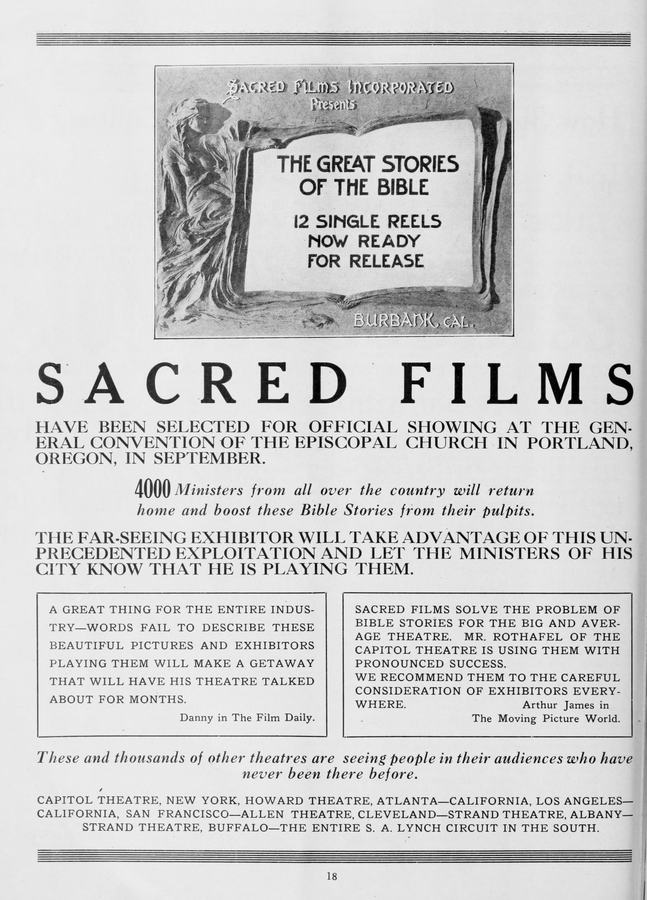
Imagine a film that refuses to speak yet murmurs louder than cathedral choirs—Creation is that impossible echo, a 1921 phantasm scraped onto 35 mm like frost on midnight glass. What survives is only a fragment of the planned Biblical cycle, but the celluloid that remains detonates with such volatile pictorial grammar that you swear you can smell petrichor rising from projector dust.
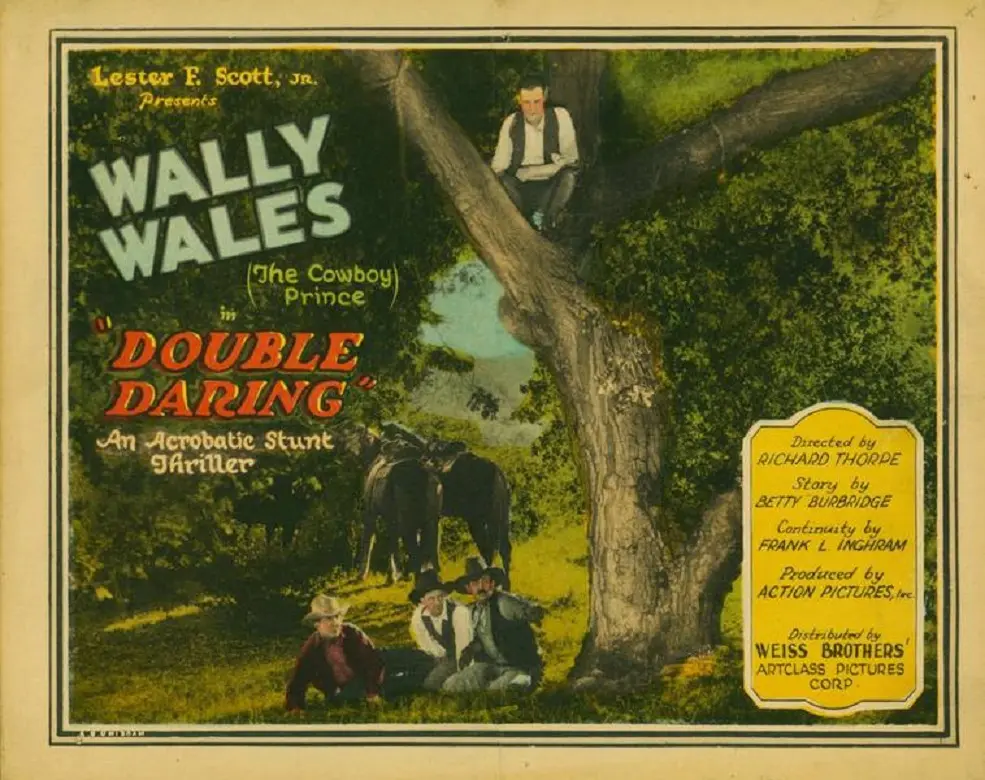
The first shot arrives as a Rothko-esque smear: obsidian swallowing tungsten, then birthing it back in magnesium flares. This is not mere day-one cosmology; it is cinema inventing itself frame by stuttering frame. Double exposures stack waters above and below an unseen firmament, while tinting baths oscillate between bruise-violet and arterial orange, as if the spectrum itself were learning to breathe. Compared to the earthy horse-opera palettes of Bucking Broadway or the flapper satire pastels of How Not to Dress, Creation opts for the alchemy of dawn—images still wet with chaos.
Look closer: the swirling nebula is hand-etched directly onto the emulsion, scratches becoming stars, the filmmaker’s fingernails the true gods of genesis. In an era when most studio spectacles staged Eden on cardboard flats littered with taxidermy peacocks, here the garden pulses. Leaves are triple-printed for impossible lushness; a leopard glides past in stop-motion increments, its rosettes morphing into haloed eclipses. You half expect your own pulse to sync to the flicker rate—18 fps as fragile heartbeat.
Adam’s first appearance is a low-angle silhouette against a magnesium-white sky; his body glistens as though glazed by primordial rain. The actor—unnamed in surviving records—moves with the hesitant elasticity of someone who has just invented gravity. Eve arrives in a jump-cut transmutation: rib dissolving into shoulder, clavicle blooming into neck, hair cascading like liquid obsidian. Their nudity is never salacious; instead it carries the glassy innocence of museum marble suddenly granted blood. The serpent coils in negative space, literally a void within the frame, suggesting evil as structural absence rather than embodied menace—a conceptual gambit that feels closer to Kirchner’s anguished woodcuts than to DeMille’s later pageants.
When the couple eats, the film abandons intertitles altogether. We get only a montage: teeth sinking, juice spiraling down wrists, Eden’s color timing shifting from honeyed yellow to septic green in a single 12-frame ramp. The edit is so abrupt that the audience in 1921 reportedly gasped, some believing the projector had misfired. That jolt is still lethal a century later.
No musical cue sheets survive, so every modern screening becomes an act of risky ventriloquism. I attended a recent 16 mm revival where a trio performed original conch drones, bowed vibraphone, and breathy shakuhachi. The result was seismic: each sustained note seemed to inflate the screen, as if the imagery inhaled sound and grew ribs of resonance. Compare that to the organ bombast slapped onto most Biblical silents—here absence is the true score, a vacuum begging to be haunted by your own footstep-in-Eden echo.
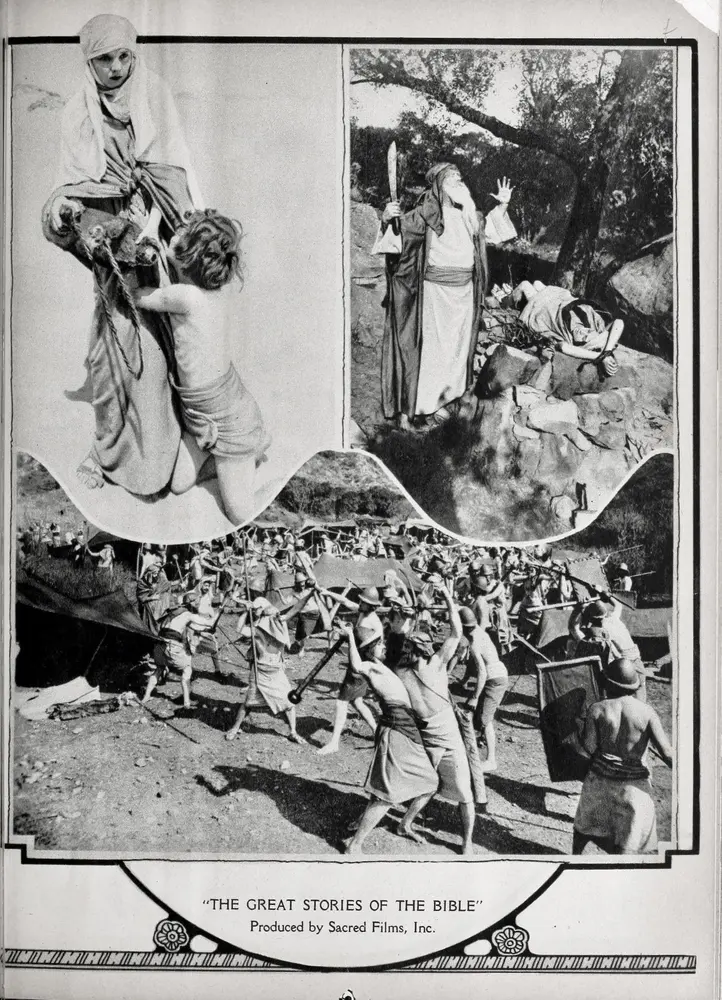
While other 1921 temptress tales such as When Men Desire or Die liebe der Bajadere framed women as sirens orchestrating male downfall, Creation grants Eve a more radical agency. The camera lingers on her gaze before the bite—an over-the-shoulder shot that frames the fruit but keeps her irises in razor-sharp foreground. She is not seduced; she elects knowledge, the cut to black reading less like punishment than graduation. In the final trudging sequence her silhouette leads the frame while Adam follows, a staging that quietly subverts millennia of patriarchal exegesis.
Like many films of the era, Creation was scissored by regional boards—some demanding that the nude torsos be solarized into blinding halos, others removing the serpent entirely lest it “undermine obedience to parental authority.” The last known complete print perished in the 1937 Fox vault fire, leaving only a weather-beaten 28-minute condensation unearthed in a Latvian monastery in 1978. Even in truncated form the film vibrates with uncanny power; imagine discovering a shattered stained-glass window whose shards still refract dawn across your palms.
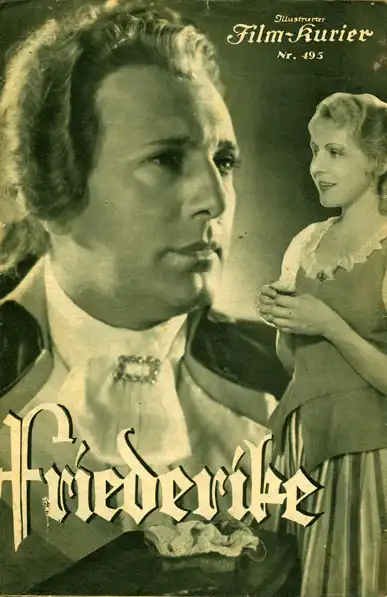
Film preservationists now speculate that outtakes may survive in Russian archives mis-catalogued under religious-education reels. If rediscovered, a full restoration could rival the revelation of the Redemption negatives or the tinted diaries from Die Prinzessin vom Nil.
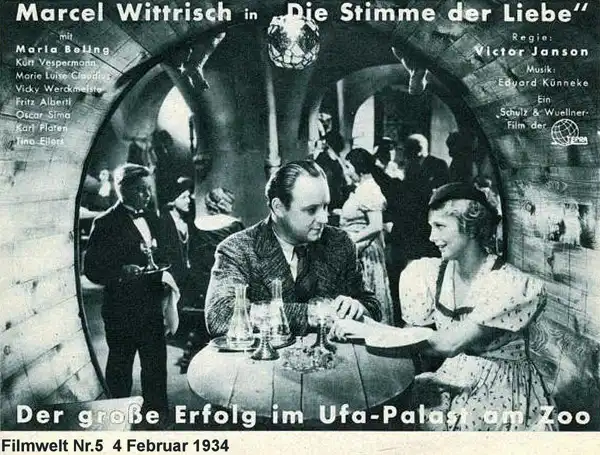
Where Friends and Enemies stages morality as courtroom melodrama and Three Black Eyes flirts with expressionist gloom, Creation sidesteps narrative entirely and opts for visual liturgy. The closest cinematic cousin might be the hallucinatory montage of The Voice of Destiny, yet even that film clings to character arcs. Here, arc is replaced by aurora: story becomes weather.
Watching Creation in our hyper-surveilled century raises prickly questions. Are we consuming innocence as retro-Instagram aesthetic? The film refuses comfort: no comedic fauna a la Disney, no pat redemption arc. Instead, the expulsion ends on a freeze-frame of Eve’s footstep fossilized in cracked mud, the image gradually overexposed until it fuses with projector glare—a self-erasing scripture. The viewer, culpable, walks out blinking into city neon feeling that paradise was less lost than voluntarily abandoned, an originary swipe-left.
The lone circulating print is held by the Cinémathèque de Paris, booked only for archival festivals. A 2K DCP scan was licensed to MoMA last year, but legal knots with the monastery estate keep home media in limbo. Bootleg grayscale rips float online—avoid them; the yellow-green tinting is essential metaphysical grammar. For the intrepid, a 30-second 9.5 mm fragment occasionally surfaces on auction sites; prices soar above $2 k for even a splice. Imagine cradling four seconds of Eden in your palm, light still trapped like a jar of extinct fireflies.
Some films explain the cosmos; Creation incarnates it in guttering nitrate. It is both relic and prophecy, a scorched love-letter to the idea that images can still birth worlds. Watch it if you dare, but know this: once you meet Eve’s gaze across a century of vanished light, every orchard you pass will shiver with forbidden voltage.

IMDb 6
1927
Community
Log in to comment.