DbcultAccessing Vault...
Cult Review
Senior Film Conservator
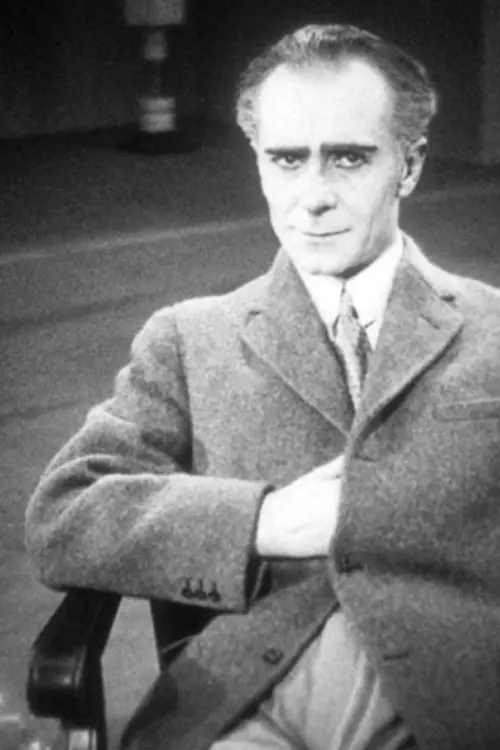
The 1922 silent film Mensch gegen Mensch, directed by Adolf Lantz and Norbert Jacques, presents a labyrinthine narrative that masterfully explores the themes of vengeance, deception, and the darker aspects of human nature. This cinematic endeavor, though lesser-known, bears striking similarities to other films of its era that probe the complexities of human relationships and the consequences of one's actions.
The story centers around Coupot, a bank employee whose life takes a drastic turn when he, along with his girlfriend Juliette, partners with the industrialist van Kamp. This alliance, though seemingly advantageous, ultimately results in their dismissal from their jobs. The repercussions of this event are profound, catalyzing a chain reaction of anger, desperation, and a quest for retribution. Coupot's journey leads him to join 'Omnium', a secret club comprising individuals with similar grievances against van Kamp. United by a common goal, they devise a plan to harm their adversary, navigating a complex web of intrigue and subterfuge.
Upon closer examination, Mensch gegen Mensch reveals itself to be a thought-provoking exploration of the human psyche, akin to films like Smile Please and Greater Than Fame, which also delve into the intricacies of human relationships and the consequences of one's actions. The film's use of visual storytelling, characteristic of silent cinema, adds a layer of depth and nuance to the narrative, inviting viewers to interpret the characters' emotions and motivations.
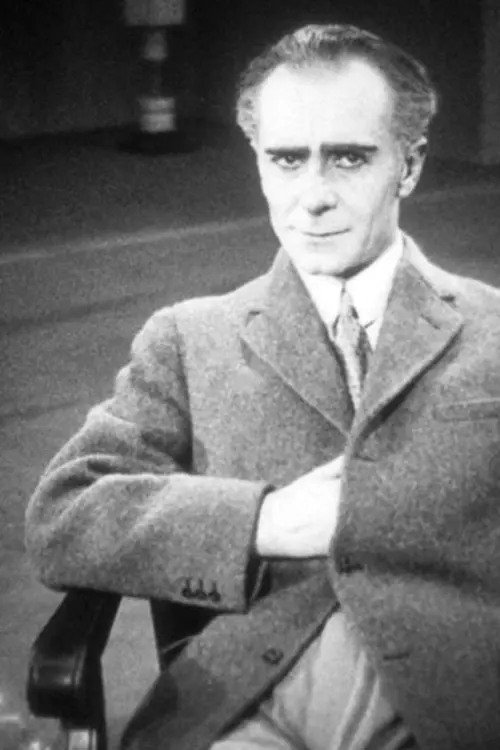
The cast, comprising Olga Belajeff, Heinrich Gotho, Ferdinand von Alten, and others, delivers performances that are both captivating and haunting. Their portrayal of the characters adds a layer of authenticity to the narrative, making the film's themes and events feel more relatable and impactful. The chemistry between Coupot and Juliette is palpable, rendering their downfall all the more tragic. The character of van Kamp, embodying the ruthless industrialist, serves as a catalyst for the events that unfold, highlighting the class disparities and social tensions of the era.
Mensch gegen Mensch masterfully explores themes of vengeance, deception, and the blurred lines between justice and retribution. These motifs are reminiscent of films like Behind the Mask and Tarnish, which also probe the complexities of human nature and the consequences of one's actions. The film's portrayal of 'Omnium', a secret club driven by a desire for revenge, raises questions about the morality of such actions and the true cost of retribution.
The film's cinematic style, characteristic of the silent era, is marked by its use of expressive acting, dramatic lighting, and composition. The direction by Lantz and Jacques demonstrates a keen understanding of the medium, utilizing visual storytelling to convey the narrative's emotional depth. Influences from German Expressionism are evident, with the film's use of shadows, lighting, and set design creating a haunting and atmospheric backdrop for the story.
In conclusion, Mensch gegen Mensch is a thought-provoking and haunting film that explores the complexities of human nature and the consequences of one's actions. Through its intricate plot, captivating performances, and themes of vengeance and deception, the film offers a compelling cinematic experience. For those interested in exploring the nuances of silent cinema and the works of Lantz and Jacques, Mensch gegen Mensch is a must-see. Its themes and motifs, though timeless, are particularly relevant when viewed alongside other films of the era, such as Der Weltspiegel and The Storm, which also probe the complexities of human relationships and the human condition.
IMDb 6.5
1935
Community
Log in to comment.