Summary
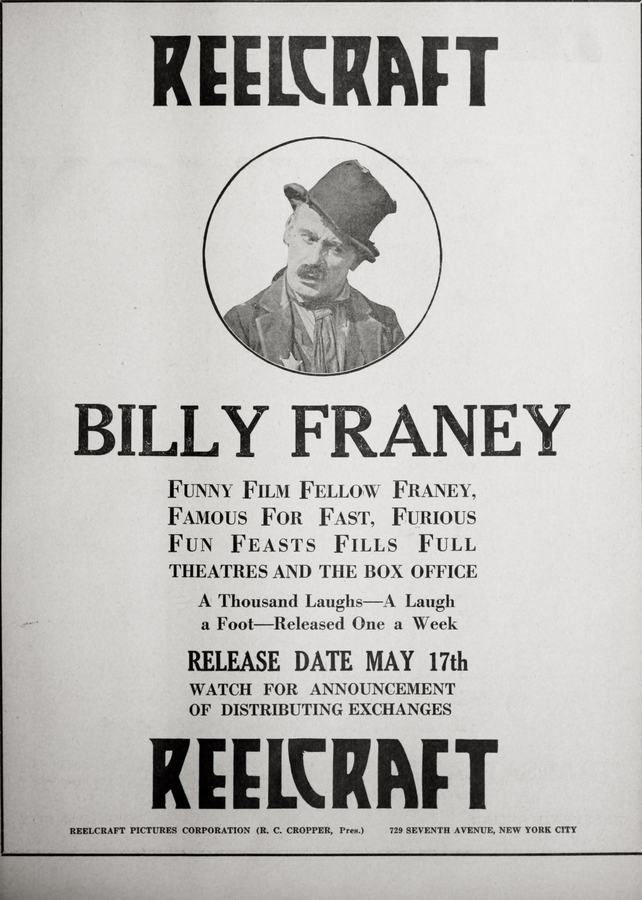
A mongrel metropolis, half-rural half-dream, coughs up its daily quota of strays; onto this scruffy stage lopes a laconic municipal netter—Billy Franey’s taciturn dog-catcher—armed with rope, rusted wagon, and a conscience that still growls beneath years of civic rust. His beat is pockmarked alleys where gaslamps sputter like bad memories, a place where curs echo the outcasts they shadow. One dusk he snares a black-and-white mongrel whose amber stare refracts the catcher’s own forfeited innocence; the hound’s collar bears a child’s locket, igniting a scavenger hunt through tenement corridors, riverfront jetties, and the carnival ruins at the edge of town. Each doorstep he canvasses peels back another layer of communal hypocrisy: the baker who starves his stock yet pities ‘poor animals,’ the socialite whose charity galas fund pound gassing, the orphan newsboy who sleeps in barrels yet shares crusts with his four-legged confederates. The narrative mutates from procedural into parable when the catcher, now complicit in a clandestine canine underground railroad, must choose between paycheck and pulse: will he deliver the dogs to the carbon-monoxide wagon or smuggle them across the foggy river toward an ersatz Eden? Shot in slate-gray chiaroscuro that makes every whisker a moral barometer, the film crescendos inside an abandoned carousel where revolutionaries—two-legged and four—circle under torn streamers, the organ wheezing a lullaby for mercies yet unborn. Resolution is not escape but a frozen tableau: catcher kneeling in sawdust, releasing the mongrel who once mirrored his emptiness, while dawn patrol whistles approach; the screen smash-cuts to white, leaving us to ponder whether mercy outruns municipal ordinance.
Review Excerpt
"
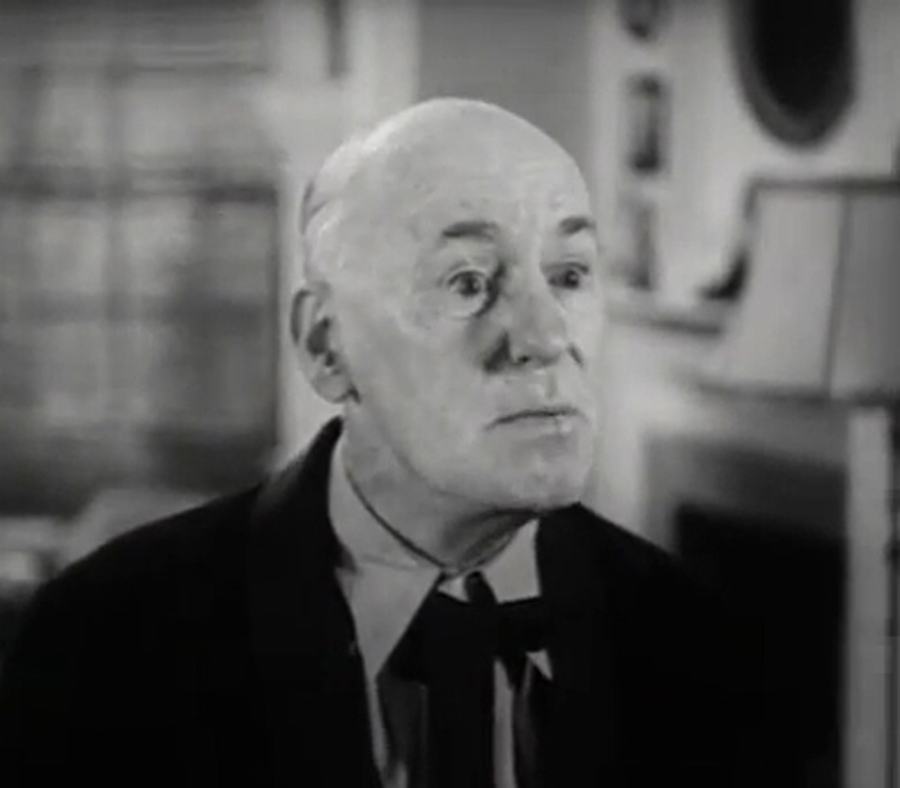
Billy Franey’s weather-creased face, half clown-half crusader, haunts every frame of The Dog Catcher like a sepulchral postcard mailed from the conscience we misplace each time we cross the street to avoid a stray.
Shot on the cusp of 1924 but shelved for reasons lost to liquor-soaked boardrooms, this spectral one-reeler now surfaces in a 2K restoration that makes every pockmark on tenement walls look like Braille for the morally nearsighted. Viewers primed by Integritas’ ethical calisthenics..."