DbcultAccessing Vault...
Cult Review
Senior Film Conservator
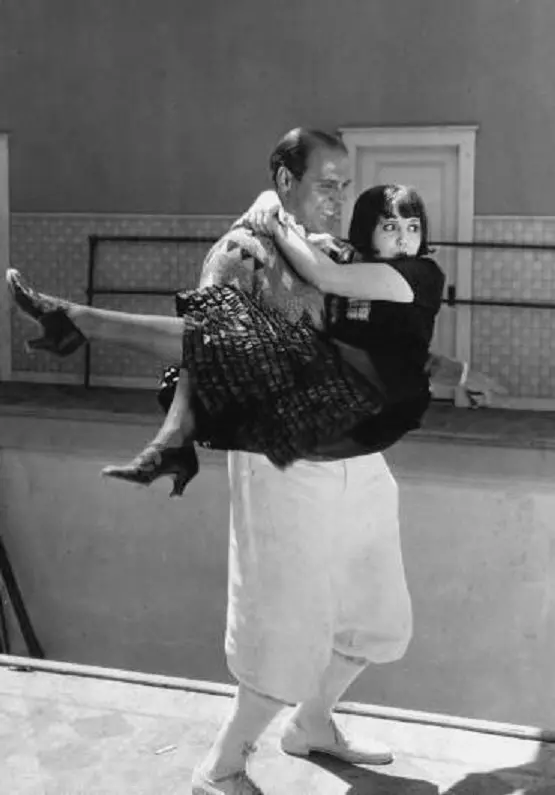
Is this film worth watching today? Short answer: Yes, but only if you are a student of cinematic history or a die-hard fan of physical comedy. While it lacks the polished sentimentality of later Hollywood eras, its raw energy is infectious. This film is for those who find joy in the rhythmic chaos of silent shorts; it is certainly not for viewers who require complex dialogue or high-definition spectacle to remain engaged.
1) This film works because it captures the frantic, pre-Code energy of a man who literally cannot function because he’s in love, turning a mundane office setting into a site of comedic disaster.
2) This film fails because the middle act leans too heavily on repetitive physical gags that don’t always advance the plot or deepen the characters.
3) You should watch it if you want to see the foundational building blocks of Frank Capra’s 'common man' hero before he became a household name.
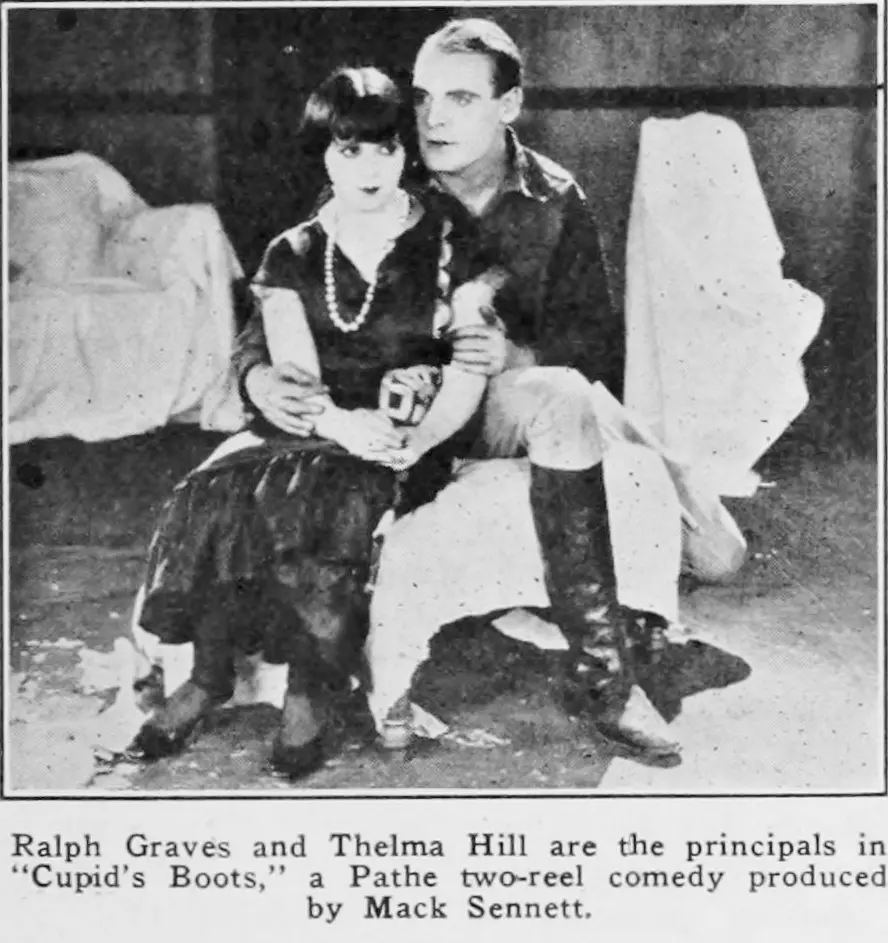
Cupid's Boots is a fascinating artifact from 1925, a year when cinema was rapidly evolving. The film centers on Ralph, played with a wide-eyed, almost manic sincerity by Ralph Graves. Graves doesn't just act; he vibrates. In the opening scenes, his performance as a bookkeeper is a masterclass in physical preoccupation. He doesn't just miss a decimal point; he creates a visual symphony of errors. Every time he looks at Thelma Hill, his hands lose their coordination. It is a relatable, albeit exaggerated, portrayal of infatuation that feels surprisingly modern.
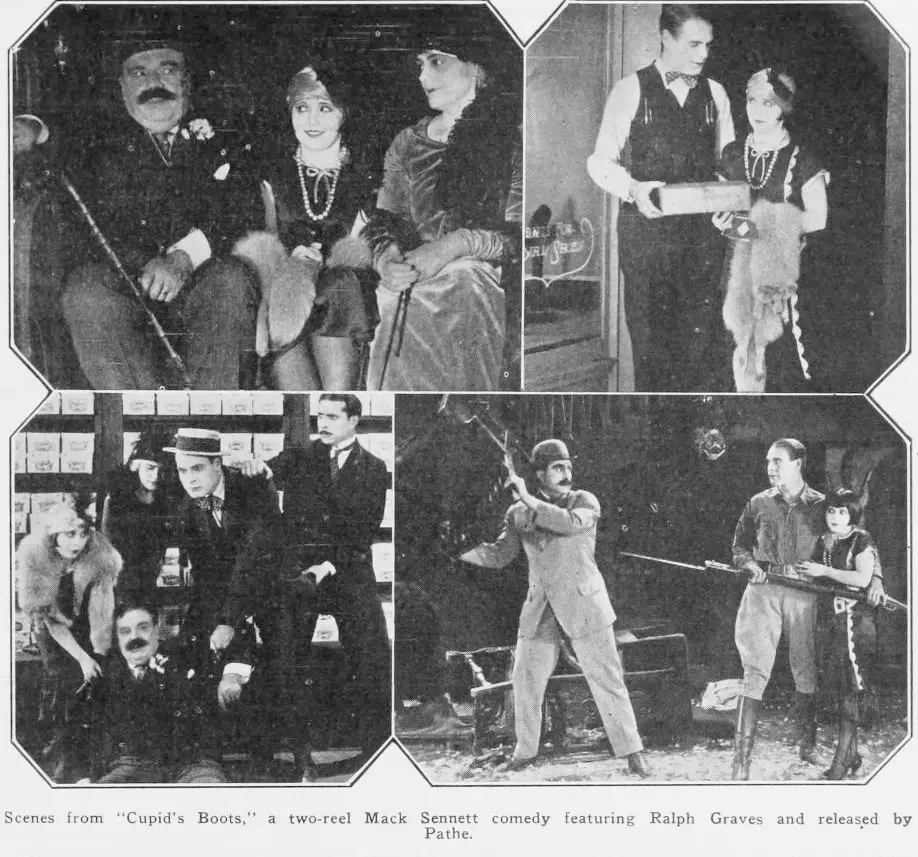
The writing, credited to a team including the legendary Frank Capra, shows early signs of the 'Capra-esque' touch. There is a clear interest in the 'little guy'—the underdog who is dismissed by society but possesses a secret reservoir of competence. We see this theme explored with more gravity in Common Sense Brackett, but here it is played strictly for laughs. The transition from the cold, sterile office to the warm, chaotic Hill household is handled with a sharp sense of contrast that keeps the viewer grounded in Ralph's emotional journey.
It is a solid example of 1920s comedy. The acting is energetic. The writing is clever. It shows the early talent of Frank Capra. It is not a masterpiece. It is a fun historical artifact. The film succeeds in its modest goals. It makes the audience root for a failure. That is the core of its charm.
Ralph Graves is an interesting figure in this era. He lacks the athletic grace of Buster Keaton or the soulful pathos of Charlie Chaplin. Instead, he offers a brand of 'everyman' frustration that feels grounded. In the scene where he is finally fired, Graves doesn't lean into tragedy. He leans into a sort of bewildered acceptance. This choice makes his eventual redemption feel earned rather than forced. His chemistry with Thelma Hill is palpable, even through the limitations of silent film. Hill, for her part, isn't just a trophy to be won. She displays a level of agency that was often missing in similar shorts like A Crooked Romance.
The supporting cast, featuring the likes of Andy Clyde, provides a sturdy framework for the lead's antics. Clyde, in particular, showcases the timing that would eventually make him a staple of the genre. The family dynamics in the second half of the film provide a necessary shift in stakes. It moves from 'will he keep his job?' to 'will he save the day?' This escalation is vital for a short that might otherwise feel like a series of disconnected sketches. It has a narrative spine that many of its contemporaries, such as Henpecked and Pecked Hens, lack.
Visually, Cupid's Boots is a product of its time, but it uses its limitations effectively. The cinematography isn't experimental, but the framing of the office space is intentionally claustrophobic. This heightens the sense of Ralph being a 'square peg in a round hole.' When he eventually leaves the office, the camera opens up, reflecting his newfound freedom, however involuntary it may be. The use of lighting in the Hill household is warmer, softer, and more inviting than the harsh, flat lighting of the counting house.
Specific attention should be paid to the 'prop acting' in this film. The ledger isn't just a book; it’s a symbol of Ralph’s failure to conform to the industrial machine. The way he fumbles with his pen and inkwell is choreographed with the precision of a dance. It reminds me of the technical detail found in The Dream Cheater, where objects carry a weight beyond their physical presence. In Cupid's Boots, the objects are the enemies of the romantic, constantly tripping him up as he tries to reach for his ideal.
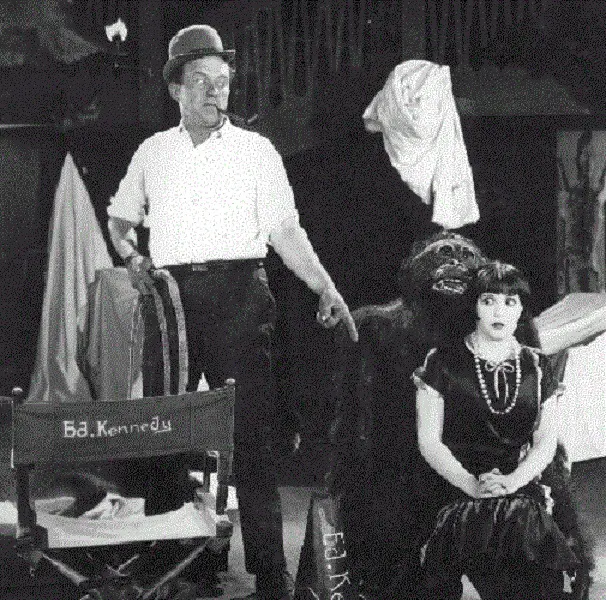
The pacing is relentless, which is both a blessing and a curse. At times, the film feels like it’s breathlessly rushing toward the next gag without letting the current one land. However, this 'mile-a-minute' approach ensures that if a joke fails, another one is arriving in five seconds. It lacks the meditative quality of Sans famille, but that is to be expected from a Mack Sennett-adjacent production. The tone remains light, even when Ralph is at his lowest point. There is an underlying optimism that is quintessentially American and quintessentially Capra.
One surprising observation is the film's subtle critique of corporate rigidity. While it’s primarily a comedy, there is a bite to the way Ralph’s boss is portrayed. He is a man who values numbers over humanity, a theme that would resonate deeply in Capra’s later works like 'It’s a Wonderful Life.' Here, it’s played for laughs, but the DNA of social commentary is present. It’s a gritty look at the 1920s workplace disguised as a romp. It works. But it’s flawed by its own brevity.
Pros:
- Ralph Graves delivers a high-energy performance that carries the film.
- The writing is sharper than many other comedy shorts of 1925.
- It serves as a fascinating precursor to the themes of Frank Capra.
- Thelma Hill is a charming and capable co-lead.
Cons:
- The slapstick can feel dated and repetitive to modern ears.
- The shift from office comedy to domestic rescue is a bit jarring.
- Some of the secondary characters are underdeveloped archetypes.
If you are looking for a masterpiece on par with A Small Town Idol, you might be disappointed. Cupid's Boots is a smaller, more intimate affair. However, its brevity is its strength. It doesn't overstay its welcome. It provides a quick, punchy look at a man who chooses love over a paycheck, a sentiment that is as relevant now as it was in 1925. It is a minor work, but a meaningful one. It’s a film that reminds us that being 'bad at your job' might just mean you’re meant for something better.
Cupid's Boots is a delightful, if slightly uneven, slice of silent cinema. It benefits immensely from its writing pedigree and a lead actor who is fully committed to the bit. While it won't change your life, it will certainly entertain you for its duration. It is a charming example of the 'distracted lover' trope, executed with the kind of kinetic energy that only the 1920s could produce. It’s a win for fans of the era. It’s a pass for those who need more substance. Ultimately, it’s a film about finding your footing, even if you have to lose your job to do it.
IMDb —
1918
Community
Log in to comment.