United States
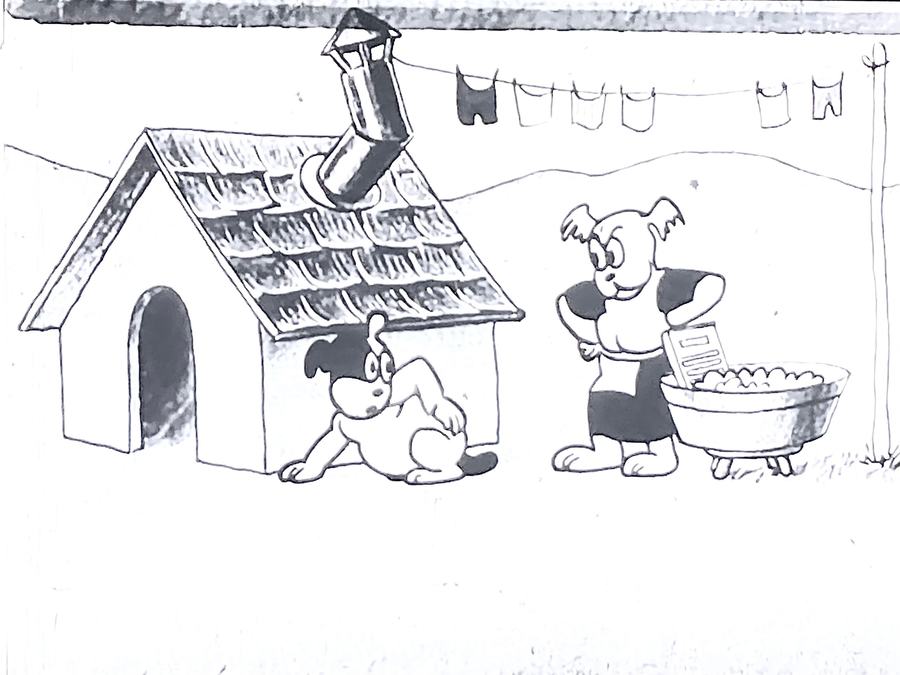
The year 1915 remains a watershed moment in the evolution of the moving image, a period where the primitive allure of the 'cinema of attractions' began to yield to the sophisticated nuances of narrative structure. Among the more intriguing, if often overlooked, artifacts of this era is The Fable of Henpecked Henry. T...
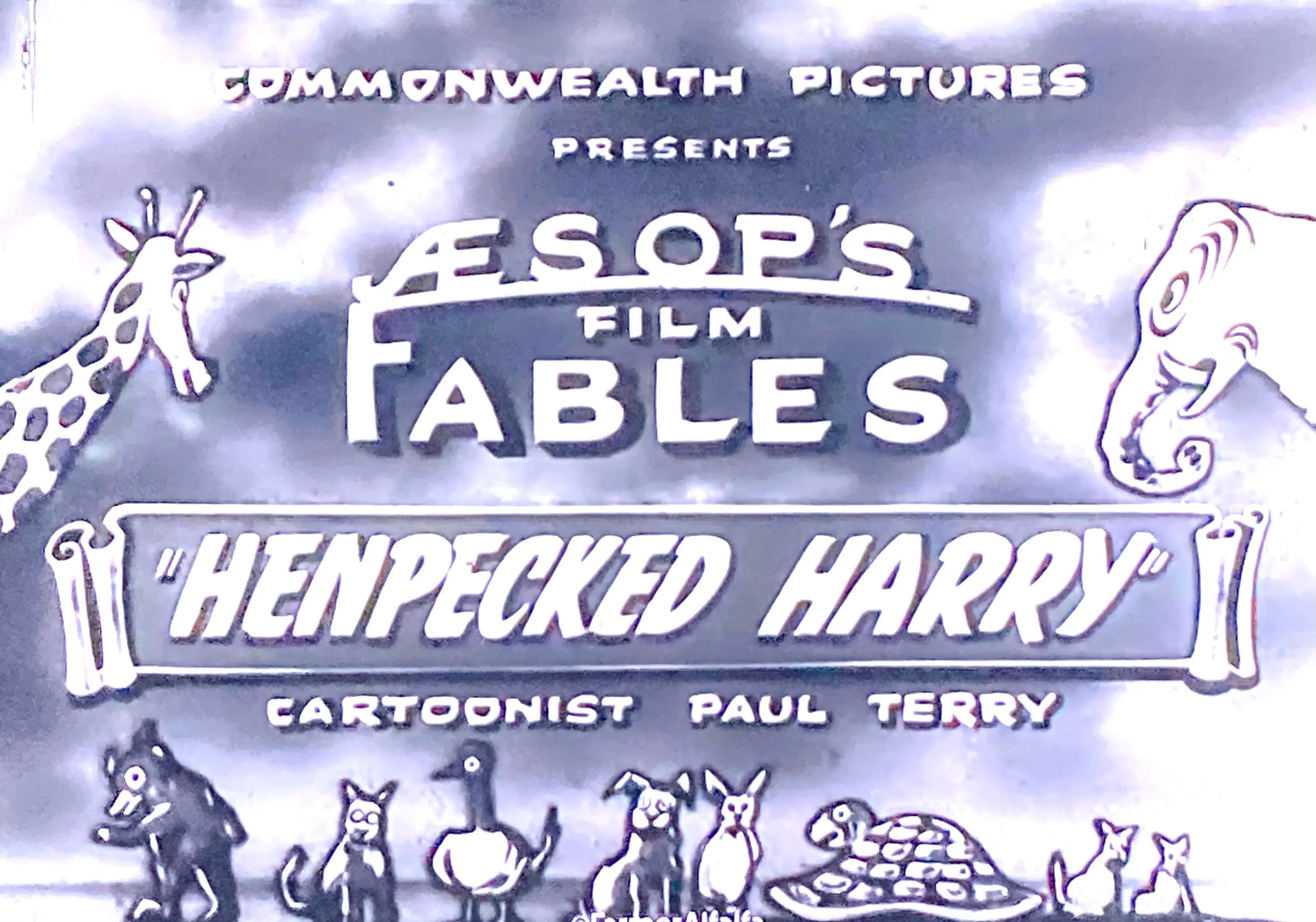
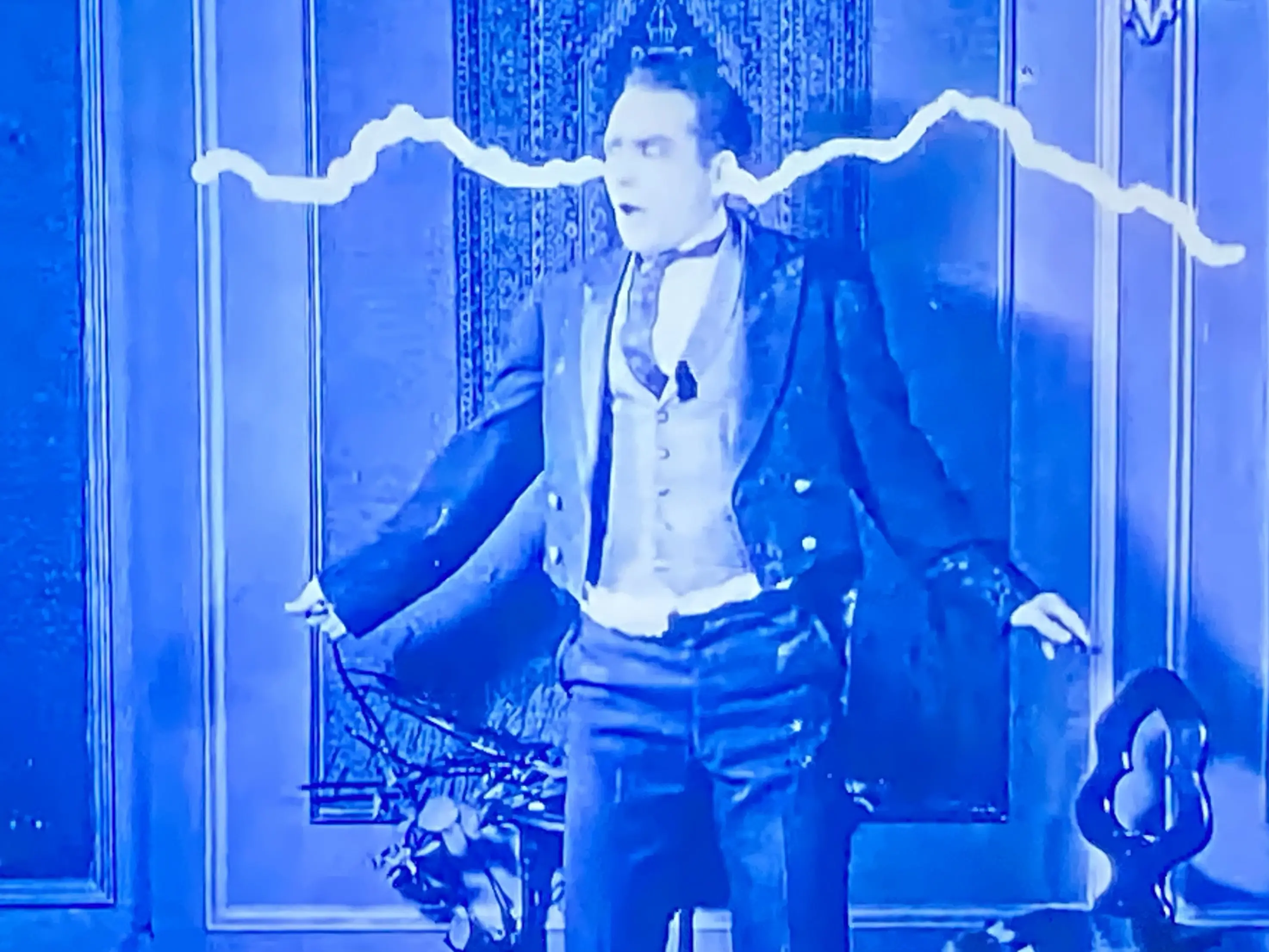
still_frame
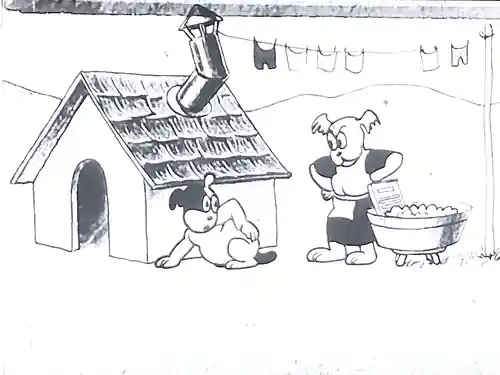
still_frame
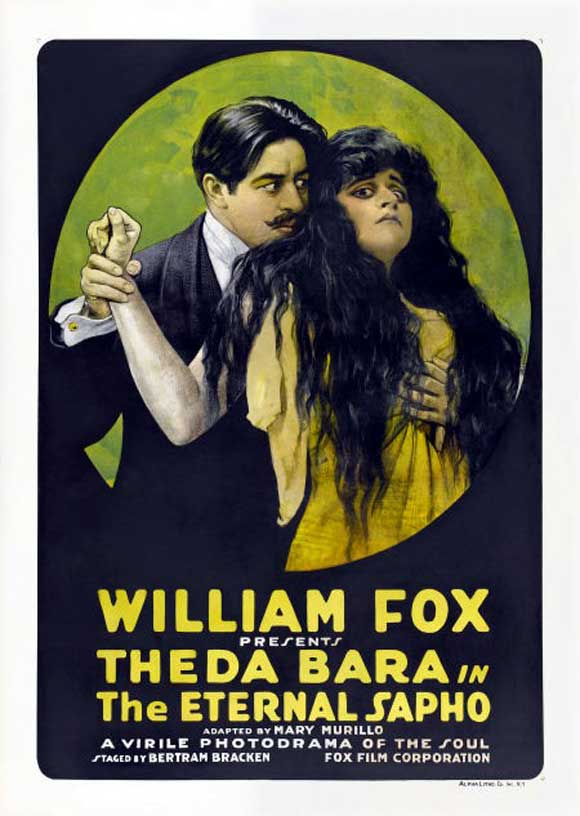
Comparing the cinematic DNA and archive impact of two defining moments in cult history.
Unknown Director
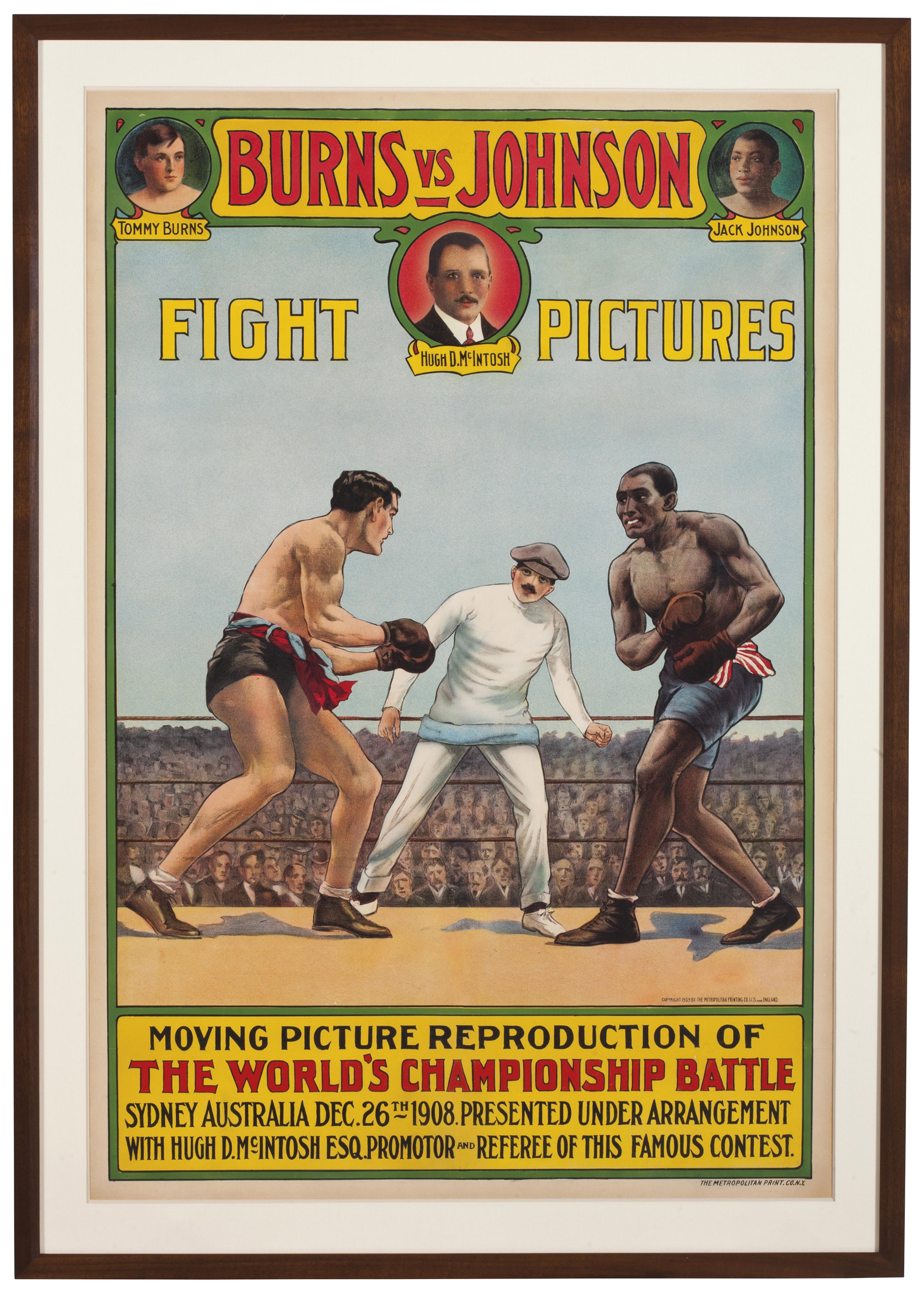
Unknown Director
Community
Log in to comment.
" The year 1915 remains a watershed moment in the evolution of the moving image, a period where the primitive allure of the 'cinema of attractions' began to yield to the sophisticated nuances of narrative structure. Among the more intriguing, if often overlooked, artifacts of this era is The Fable of Henpecked Henry. This film, a product of the Essanay Film Manufacturing Company, serves as a quintessential example of the 'Fables in Slang' series, adapted from the popular literary columns of Geor..."