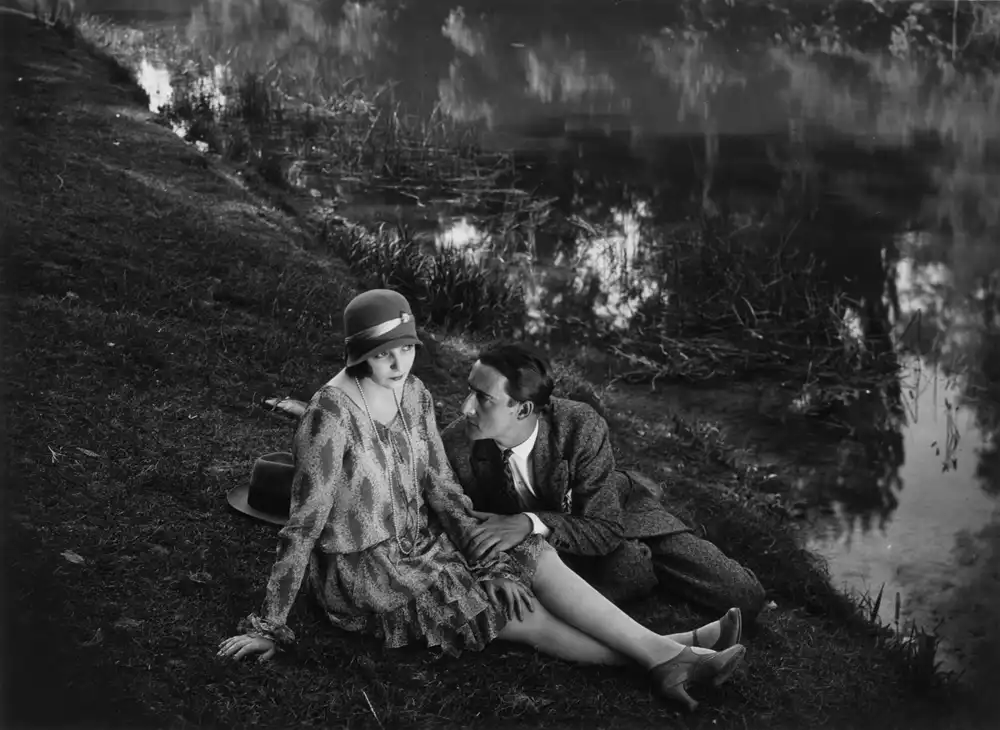
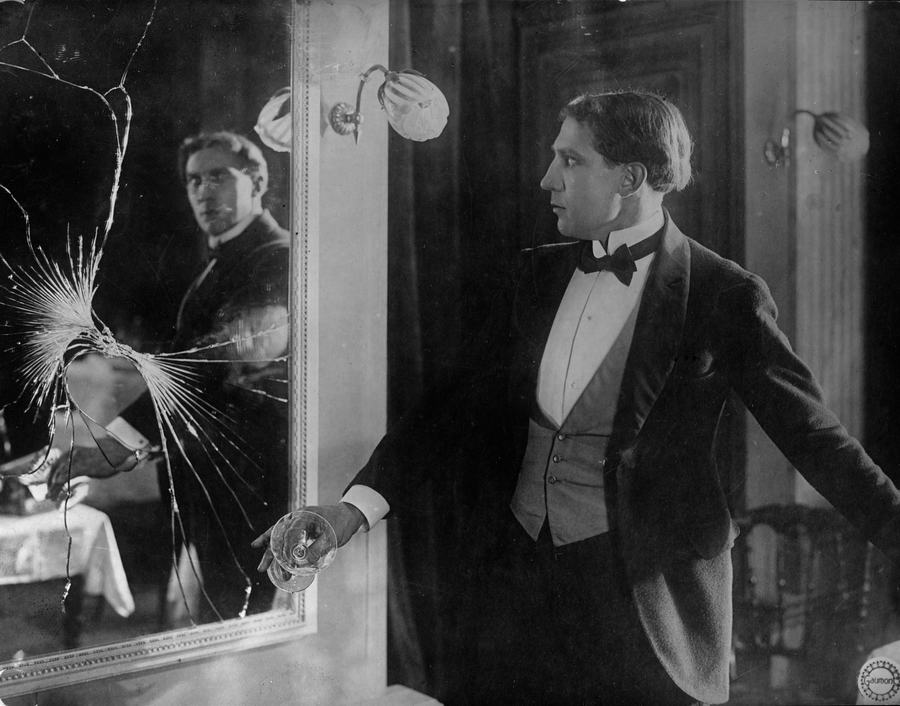
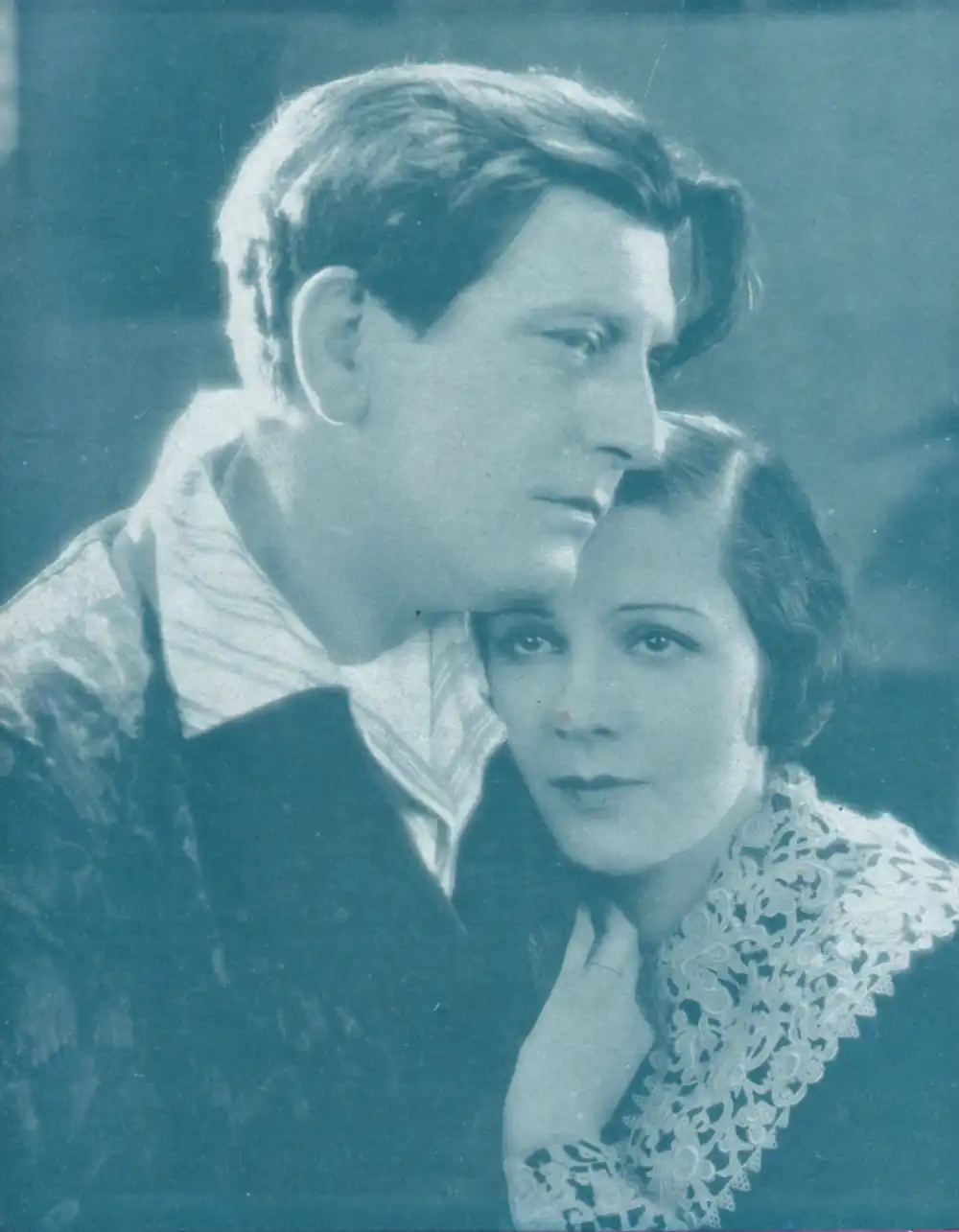
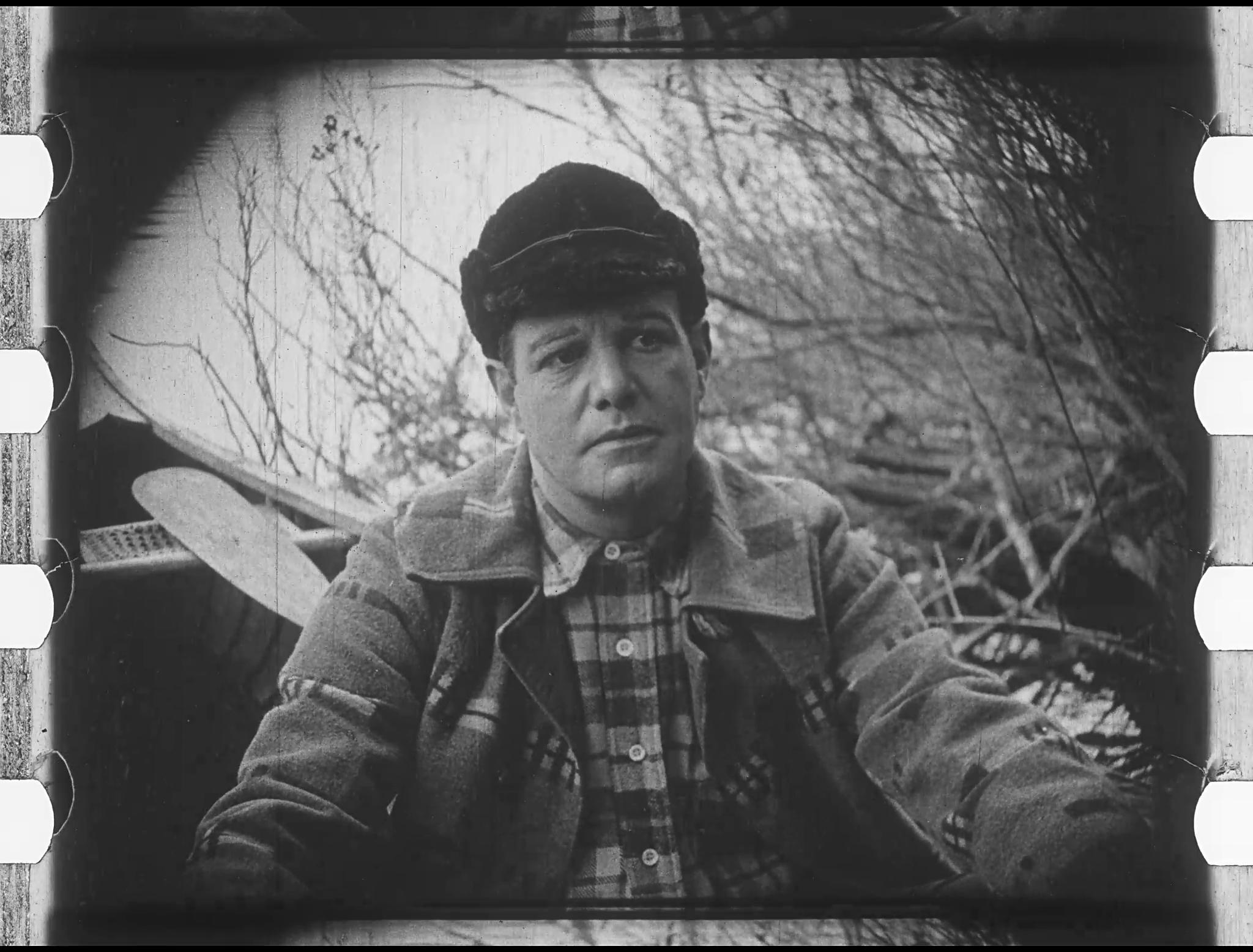
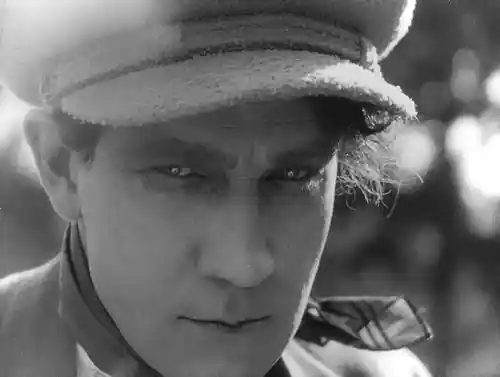
Marie wants to escape from her job and also from her lover, Paul, an unemployed drunk. She dreams of going off with Jean, a dockworker.
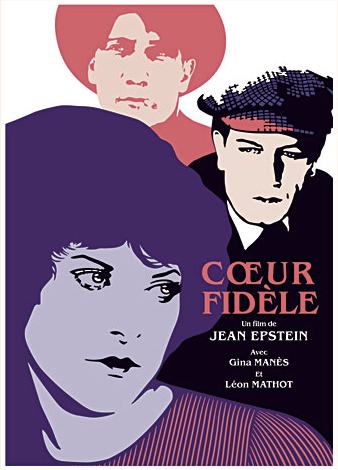
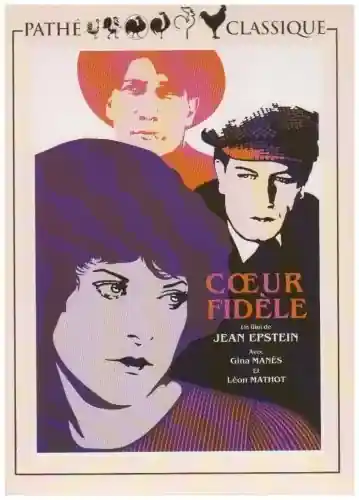
Echoes from the Docks: Unraveling the Raw Power of Jean Epstein's 'The Faithful Heart' In the annals of silent cinema, certain films resonate with an enduring, almost primal force, transcending their era to speak to universal human experiences. Jean Epstein's 1923 masterpiece, 'The Faithful Heart' (L...

still_frame

still_frame
product

still_frame
still_frame

still_frame

still_frame
still_frame
Comparing the cinematic DNA and archive impact of two defining moments in cult history.
Jean Epstein
Dallas M. Fitzgerald
Community
Log in to comment.
" Echoes from the Docks: Unraveling the Raw Power of Jean Epstein's 'The Faithful Heart' In the annals of silent cinema, certain films resonate with an enduring, almost primal force, transcending their era to speak to universal human experiences. Jean Epstein's 1923 masterpiece, 'The Faithful Heart' (Le Coeur fidèle), stands as one such monumental achievement. Far from a mere relic of a bygone age, this film pulses with a vibrant intensity, offering a stark, unflinching look at ..."
Madeleine Erickson
Jean Epstein, Marie Epstein
France

Deep dive into the cult classic
Discover similar cinematic experiences
A Directorial Spotlight on Jean Epstein