DbcultAccessing Vault...
7.4/10
Senior Film Conservator
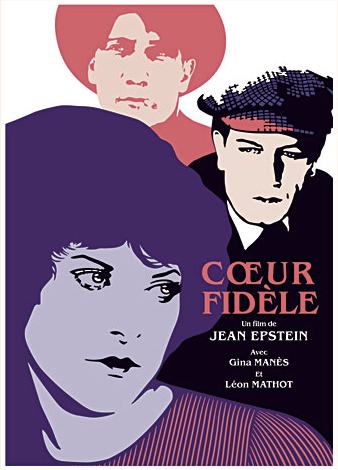
A definitive 7.4/10 rating for a film that redefined the boundaries of cult cinema. The Faithful Heart remains a cornerstone of transgressive art.
In the annals of silent cinema, certain films resonate with an enduring, almost primal force, transcending their era to speak to universal human experiences. Jean Epstein's 1923 masterpiece, 'The Faithful Heart' (Le Coeur fidèle), stands as one such monumental achievement. Far from a mere relic of a bygone age, this film pulses with a vibrant intensity, offering a stark, unflinching look at love, desperation, and the relentless grip of fate amidst the bustling, unforgiving backdrop of Marseille's port. It's a cinematic poem, meticulously crafted yet brimming with raw, unbridled emotion, a testament to Epstein's visionary direction and the profound collaborative spirit he shared with his co-writer, Marie Epstein.
At the core of this compelling drama is Marie, portrayed with heart-wrenching vulnerability and fiery resolve by Gina Manès. Marie is a woman trapped, her days consumed by the monotony of her job and her nights overshadowed by the oppressive presence of Paul, her lover. Paul, brought to visceral, repulsive life by Edmond Van Daële, is a figure of tragic decay—unemployed, perpetually inebriated, and utterly parasitic. His existence is a drain, a constant anchor weighing Marie down, smothering her aspirations for anything beyond the squalor of her daily life. Marie's yearning for liberation is palpable, a silent scream etched across her expressive face, seeking an escape from the suffocating inertia that threatens to consume her entirely.
Her hope materializes in Jean, a dockworker embodying a quiet strength and steadfast reliability, played by Claude Benedict. Jean represents not just a romantic ideal, but a tangible path to a different life, one free from Paul’s destructive influence. The burgeoning connection between Marie and Jean, however, ignites a furious, almost animalistic rivalry with Paul. The conflict isn't confined to whispers or furtive glances; it erupts into brutal, public confrontations, twice punctuated by violent clashes that underscore Paul's desperate, possessive grip. Despite Marie's clear longing for Jean, Paul's hold over her remains stubbornly resilient, a psychological and emotional tether that seems unbreakable, much like the societal constraints of the era.
The narrative deepens with the arrival of Marie’s baby, a fragile symbol of innocence thrust into a world of turmoil. When the infant falls gravely ill, the stakes escalate dramatically. This development introduces another crucial character: a crippled neighbor, portrayed with poignant dignity by Madame Maufroy, who, alongside Jean, steps forward to offer assistance. Their combined efforts to nurse the ailing child create a fragile, yet powerful, alliance of compassion against the encroaching shadow of tragedy. This segment of the film beautifully illustrates the resilience of the human spirit and the unexpected kindness that can blossom even in the harshest environments. The collective concern for the child’s welfare stands in stark contrast to Paul’s self-serving nihilism.

Indeed, Paul’s destructive nature reaches its nadir when his drunken negligence nearly causes the baby’s death. This moment is a horrifying crystallization of his moral decay, a stark reminder of the danger he poses to everyone around him, especially the innocent. The film masterfully builds tension, each scene a tightening coil, leading inexorably towards a cataclysmic climax. The final struggle is not just a physical confrontation but a battle for Marie's soul, for the child's future, and for the possibility of breaking free from a cycle of despair. It is in this harrowing denouement that the crippled woman, driven by a primal instinct to protect the innocent and perhaps to reclaim a sense of justice, seizes Paul's gun. Her decisive, fatal shot severs the Gordian knot of Marie's torment, offering a brutal, yet perhaps necessary, act of liberation. It’s a moment that can be compared in its sudden, impactful finality to the stark choices presented in films like As a Man Sows, where characters are pushed to their absolute limits.
What elevates 'The Faithful Heart' beyond a mere melodramatic plot is Jean Epstein's groundbreaking directorial vision. A proponent of French Impressionism, Epstein wields the camera like a painter's brush, crafting a visual language that is both poetic and visceral. He utilizes an array of innovative techniques—rapid cutting, superimpositions, subjective camera angles, and an unprecedented use of close-ups—to immerse the viewer directly into the psychological and emotional states of his characters. The film's opening sequence, a dizzying montage of the Marseille port, establishes an immediate sense of place and frenetic energy, akin to the urban dynamism seen in films like A Day and Night at Coney Island, but with a grittier, more grounded realism.

Epstein's close-ups are particularly revolutionary, lingering on faces to reveal an entire universe of unspoken emotion. Marie's eyes, filled with despair and longing, or Paul's contorted features, betraying his inner torment, become windows into their very souls. This technique, which allows for an intimacy rarely achieved in cinema of the period, foreshadows the psychological depth that would become a hallmark of later film movements. The editing, often swift and disorienting, mirrors the characters' internal chaos, pulling the audience into their subjective experiences. It's a masterful demonstration of how cinematic form can amplify narrative content, creating a film that is as intellectually stimulating as it is emotionally resonant. The aesthetic choices here are far more deliberate and impactful than many contemporaries, pushing boundaries in a way that makes films like Money Isn't Everything seem almost quaint by comparison in terms of visual experimentation.
The success of 'The Faithful Heart' owes immensely to its exceptional cast, who, without the benefit of spoken dialogue, convey profound depths of character. Gina Manès as Marie delivers a performance of remarkable subtlety and power. Her portrayal is a delicate balance of fragility and fierce resilience, capturing the essence of a woman fighting for her dignity against overwhelming odds. She embodies the 'faithful heart' of the title, not necessarily in fidelity to a single man, but to her own aspirations for a better life and, ultimately, to her child.
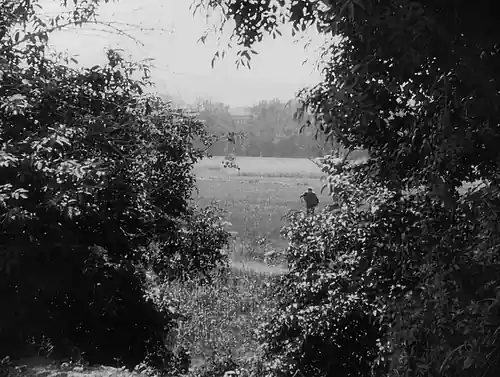
Edmond Van Daële, as the despicable Paul, is equally compelling in his ability to evoke disgust and, at times, a flicker of pity for a man consumed by his own weaknesses. His physicality, his drunken stupor, and his flashes of brutal aggression are utterly convincing, making him a truly formidable antagonist. Claude Benedict, as Jean, provides a much-needed anchor of calm and moral fortitude. His performance is understated, yet his presence is deeply felt, representing a beacon of hope for Marie. The supporting cast, including Madeleine Erickson, Léon Mathot, and the aforementioned Madame Maufroy as the crippled neighbor, all contribute to the film's rich tapestry of human experience. Madame Maufroy’s character, in particular, transcends a mere supporting role to become an unexpected catalyst for the film's climactic resolution, her actions imbued with a profound sense of justice.
Beyond the immediate narrative, 'The Faithful Heart' delves into profound thematic territory. It is, at its heart, a work of social realism, painting a vivid, unromanticized portrait of working-class life. The harsh realities of poverty, the drudgery of labor, and the limited opportunities available to individuals like Marie are depicted with unflinching honesty. This commitment to portraying the struggles of ordinary people aligns it with other socially conscious films of the era, though Epstein’s unique visual style gives it an unparalleled emotional punch. The film’s exploration of class struggle, albeit subtly woven into the personal drama, adds another layer of depth to Marie's entrapment. Her lack of agency is not merely personal but societal, a feeling that resonates with the themes of many European dramas from the period, and even with the more adventurous narratives found in films like The Whisper Market.
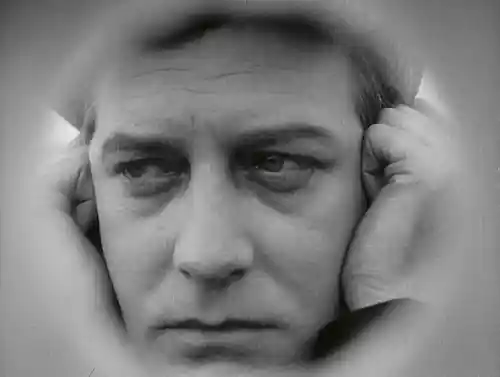
The film also masterfully explores the complexities of love and obsession. Paul’s 'love' for Marie is possessive and destructive, a stark contrast to Jean’s quiet, respectful affection. Marie’s own feelings are a tumultuous mix of fear, longing, and a desperate desire for stability. The arrival of her child introduces the powerful theme of maternal instinct, which becomes a driving force in the latter half of the film. Marie's devotion to her ailing baby is fierce and unwavering, highlighting her capacity for profound love and sacrifice. This powerful portrayal of a mother's bond, even in the face of immense adversity, gives the film an emotional core that is both universal and deeply moving. It echoes the intense emotional journeys seen in films such as The Heart of Romance, but with a grittier, less idealized lens.
Authored by the brilliant minds of Jean Epstein and Marie Epstein, 'The Faithful Heart' stands as a towering achievement in silent cinema. Its innovative visual style, coupled with a deeply human and emotionally charged narrative, cemented Epstein's reputation as one of the most significant filmmakers of the French Impressionist movement. The film’s influence can be seen in the works of subsequent generations of filmmakers who sought to push the boundaries of cinematic expression and delve deeper into the psychological landscapes of their characters. It taught filmmakers how to tell stories not just through action, but through mood, atmosphere, and the unspoken language of the human face.
Today, 'The Faithful Heart' remains a compelling viewing experience. Its themes of entrapment, desire, and the search for redemption are timeless, resonating with audiences regardless of the passage of nearly a century. The film is a powerful reminder of the artistic ambition and technical ingenuity that characterized the silent era, proving that cinema, even without spoken dialogue, can articulate the most complex and profound human emotions. It’s a work that demands to be seen, studied, and appreciated for its audacious vision and its enduring emotional impact, standing proudly alongside other classics that dared to explore the darker, more complex facets of human nature, perhaps even inviting comparison to the dramatic tension in The Silence of Dean Maitland, but with a distinctly modern aesthetic sensibility for its time.
In conclusion, 'The Faithful Heart' is more than just a historical artifact; it is a living, breathing piece of art that continues to challenge and move its viewers. It captures a specific moment in time and place—the gritty docks of Marseille—but transcends it to speak to the universal human condition. It’s a testament to the power of cinema to illuminate the depths of the soul and to tell stories that echo across generations. Jean Epstein and Marie Epstein's collaborative genius in crafting such a potent and visually stunning narrative ensures its place as an indispensable work in film history, a true gem that, much like the resilience of Marie's own spirit, remains vibrant and utterly captivating.
For those interested in the evolution of cinematic storytelling and the profound emotional capabilities of silent film, this is an essential viewing. It’s a film that demands your attention, rewards your patience, and ultimately leaves an indelible mark on your 'faithful heart'.

IMDb 6
1933
Community
Log in to comment.