Summary
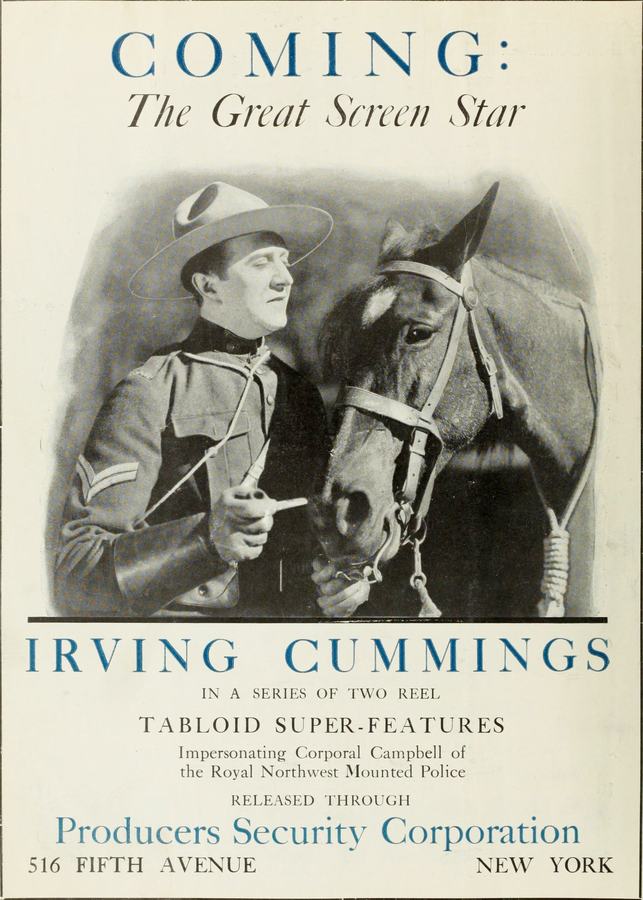
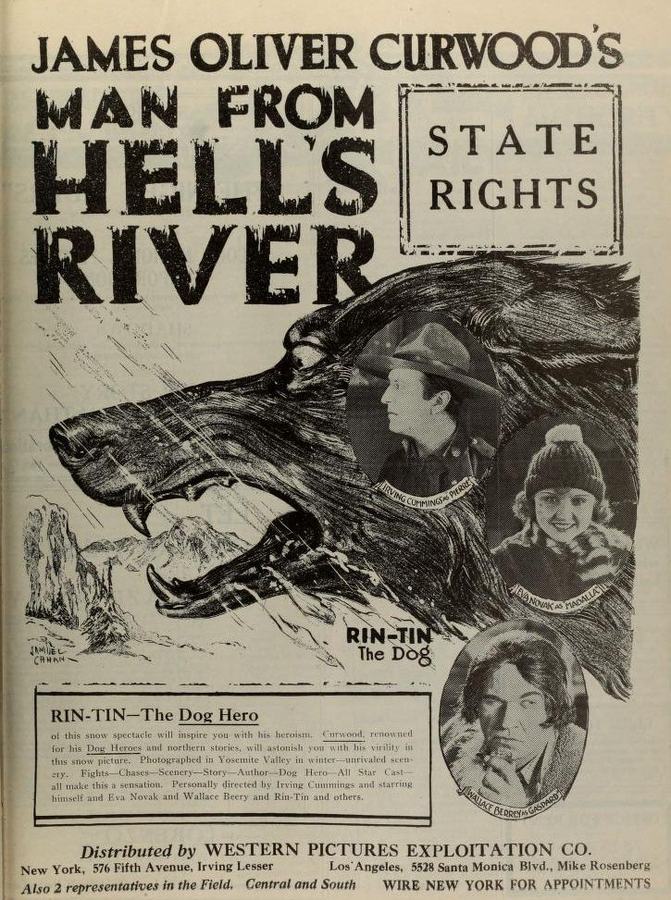
A sun-bleached morality play unspools across alkali flats where a laconic marshal, haunted by the metallic echo of an earlier miscarriage of justice, shadows a caravan of iron-jawed pilgrims bound for a boomtown that exists only on wrinkled parchment maps. Irving Cummings incarnates this weary lawman whose badge weighs like a millstone; every dusty step he takes drags the specter of an innocent man he once helped stretch at the end of a rope. Into his purgatory rides a velvet-tongued drifter hawking salvation and irrigation dreams, promising to transform the salt pan into orchards if the settlers mortgage tomorrow. The camera lingers on parched faces—women whose lips crack like canyon walls, children who sip hope in tin cups—while the stranger’s eyes glint with the arithmetic of grain futures and water rights. Night fires paint the canvas of sky, and stories are bartered like currency: a wife traded for a mule, a son lost to a river that vanished, a banker who counts dust motes in a vault. The marshal’s guilt curdles into obsession when he recognizes the drifter’s scar as the brand of the prison from which his own wrongful victim was plucked; the trail of deeds is forged, signatures looped in perjured elegance. In a moonlit assay office he unearths a ledger of bribes, its ink still wet, and the camera tilts to reveal the gallows being rebuilt taller, a monstrous erector set against the Milky Way. The climax is not a shootout but a public auction where water rights are shouted over the creak of rope; the marshal, now stripped of star and name, climbs the platform to confess, yet the crowd—thirsty, blind—hoots him down. The final image freezes on a child letting a last handful of real soil slip through fingers while the false prophet’s train steams toward the next horizon, billowing a smoke that writes and rewrites the American myth in vanishing serif.
Review Excerpt
"
A mirage of redemption flickers above alkali flats in this blistering 1919 parable, now resurrected from nitrate anonymity.
Irving Cummings—still years away from the velvet swagger of talkie escapism—here embodies a conscience in rawhide, a man whose spurs jangle with the metallic aftertaste of wrongful death. The plot, deceptively linear, coils like a snake: a marshal escorts settlers toward a promised Eden sketched on fraudulent charts, only to learn that the snake-oil dreamer riding point i..."