DbcultAccessing Vault...
4.9/10
Senior Film Conservator
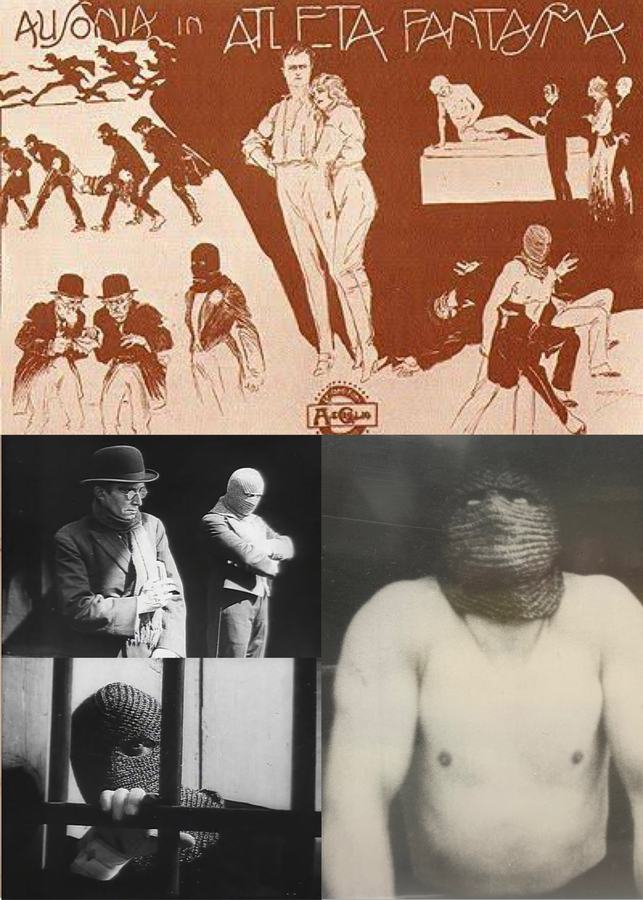
A definitive 4.9/10 rating for a film that redefined the boundaries of cult cinema. L'atleta fantasma remains a cornerstone of transgressive art.
"L'atleta fantasma" (The Phantom Athlete) emerges from the nascent days of Italian cinema as a fascinating, almost prescient work, offering audiences a foundational glimpse into a narrative archetype that would profoundly shape global popular culture for decades to come. Released at a time when storytelling on screen was still discovering its myriad voices and technical possibilities, this silent film, meticulously penned by Renee De Liot, unfurls a tale brimming with melodrama, romantic intrigue, and an astonishingly modern concept of a masked vigilante. It stands as a cinematic artifact that not only entertains with its daring escapades but also compels contemplation on the very origins of the superhero mythos, predating the iconic caped crusaders and men of steel by a significant historical margin. The film’s audacious premise – a shy, unassuming man transforming into a powerful, masked savior – resonates with an enduring, universal appeal, reminding us that the deep-seated human desire for hidden heroes to materialize from the mundane is a timeless thread woven through our collective imagination.
At the pulsating heart of this compelling narrative lies Jenny, portrayed with a delicate yet discernible resilience by Elsa Zara, whose existence becomes a relentless sequence of harrowing escapades. These perils are invariably ignited by her possession of a jewel, an artifact of immense material value and, seemingly, profound ill omen. This precious gem acts as an unwavering narrative fulcrum, drawing danger to Jenny with an almost magnetic, inescapable force, propelling her into one precarious situation after another, each more fraught than the last. Each instance she finds herself ensnared in the malevolent clutches of shadowy villains or teetering on the perilous precipice of disaster, the tension within the frame builds, almost palpably, gripping the viewer in its vice. And then, with an almost mythic regularity, like a specter of justice materializing from the ether, Audreses, Jenny’s quiet and seemingly mild-mannered romantic partner, played with impressive physical conviction by Mario Guaita-Ausonia (known to many audiences simply as Ausonia), undergoes a startling, dramatic metamorphosis. Shedding his everyday persona and the veneer of civilian life, he swiftly dons a distinctive mask and the formidable attire of a bare-chested wrestler, becoming the eponymous "L'atleta fantasma." This recurring motif of desperate peril met by miraculous, masked intervention provides the film with its undeniable propulsive energy, orchestrating a rhythmic ebb and flow of suspense and subsequent relief that keeps the viewer utterly captivated. The swift, almost instantaneous nature of Audreses's transformation underscores the film's fantastical elements, leaning into the burgeoning potential of early cinema to depict the extraordinary and the impossible.
The dynamic between Jenny and Audreses constitutes the profound emotional core of "L'atleta fantasma," a relationship intricately built upon both overt affection and a profound, carefully guarded disparity. Jenny, frequently cast as the archetypal damsel in distress, is far from a merely passive victim; Zara imbues her with a certain agency in her reactions to danger, her palpable fear often punctuated by moments of defiant resistance or desperate, quick-witted resourcefulness. Her vulnerability, however, serves primarily as the indispensable catalyst for Audreses's recurring heroic manifestations. Audreses, conversely, embodies the classic trope of the hidden hero, a character whose true strength, formidable courage, and unwavering resolve remain meticulously concealed beneath a convincing veneer of ordinary shyness and unassuming humility. Guaita-Ausonia masterfully conveys this compelling duality, presenting Audreses's civilian self with a subdued, almost reticent demeanor that starkly contrasts with the powerful, almost mythic presence of his masked alter-ego. This stark juxtaposition of the quiet, devoted lover and the formidable, anonymous protector profoundly explores multifaceted themes of identity, self-sacrifice, and the often-unseen depths of human character. The film subtly suggests that genuine heroism isn't always loud or overtly obvious; sometimes, it lurks quietly, patiently waiting for the opportune moment to erupt in a flurry of masked, decisive action.
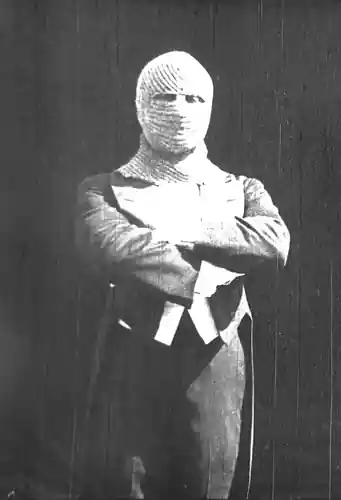
"L'atleta fantasma" stands as a truly remarkable precursor to the entire superhero genre, sketching out fundamental conventions that would become ubiquitous and globally recognized decades later. The seminal concept of a secret identity, the ordinary individual imbued with extraordinary, concealed abilities, the recurring, dramatic rescue of a cherished love interest, and the very potent symbol of a mask employed to conceal one's true self – all are present here in their nascent, embryonic forms. It represents a foundational text, offering a fascinating and invaluable lens through which to meticulously examine the complex evolution of this enduring narrative form. The jewel itself, a gleaming object of desire and contention, functions as a classic MacGuffin, a quintessential plot device that propels the action forward without necessarily possessing intrinsic thematic importance beyond its uncanny ability to attract trouble. Yet, its persistent, almost magnetic presence elevates it beyond a mere plot mover; it transforms into a potent symbol of temptation, insatiable greed, and the dangerous allure of material wealth, directly contrasting with the selfless, altruistic heroism of the phantom athlete. This intricate interplay between a valuable, inherently dangerous object and a self-sacrificing, enigmatic hero constructs a compelling moral landscape, subtly questioning the true meaning of value, power, and genuine worth in human endeavor.
Renee De Liot's direction, while undeniably constrained by the technical limitations and nascent capabilities of early cinema, nonetheless demonstrates a remarkably clear and intuitive understanding of visual storytelling and the mechanics of dramatic tension. The film employs a straightforward, yet consistently effective, cinematic language to convey its thrilling and suspenseful narrative. Close-ups are utilized sparingly but with profound impact, strategically emphasizing moments of heightened peril, intense emotional resonance, or critical plot development. The action sequences, particularly those intricately choreographed moments involving Audreses in his powerful wrestling persona, are staged with a dynamic energy and surprising fluidity that belies the film's considerable age. The judicious use of shadow and light, though perhaps rudimentary when compared to the sophisticated techniques of later eras, effectively cultivates an atmosphere of palpable suspense, particularly during the clandestine, moonlight rescues. De Liot keenly understands the inherent power of the masked figure, often presenting L'atleta fantasma with an almost ethereal, spectral quality, meticulously emphasizing his mysterious, almost supernatural interventions. The pacing, while characteristic of silent films and their often-deliberate rhythm, is surprisingly brisk during the adventure sequences, ensuring that the audience remains deeply invested in Jenny's precarious fate and Audreses's consistently timely, heroic appearances.
The performances gracing "L'atleta fantasma" are, by the very necessities and conventions of the silent era, inherently physical and intensely expressive. Elsa Zara's portrayal of Jenny adeptly conveys a wide spectrum of human emotions, ranging from profound fear and acute vulnerability to immense relief and tender affection, often communicated through the exaggerated yet universally understood gestures and facial expressions that constituted the lingua franca of the period. However, it is Mario Guaita-Ausonia, embodying both the unassuming Audreses and his formidable masked alter-ego, who truly anchors the film with a compelling and nuanced dual performance. His depiction of the shy, retiring Audreses is masterfully understated, making his dramatic transformation into the powerful, bare-chested wrestler all the more impactful and astonishing. Ausonia, a real-life athlete and celebrated strongman of his time, brings an undeniable, authentic physical presence and formidable gravitas to the role of the phantom athlete. His movements are deliberate, imbued with immense power, and lend a genuine sense of strength, agility, and heroic capability to the character. This inherent physicality is absolutely crucial in selling the illusion of a nascent superhero, making his daring rescues entirely believable within the film's inherently fantastical framework. The supporting cast, including the contributions of Gaetano Rossi and Dino Bonaiuti, effectively embody the various antagonists and secondary characters, each contributing to the overall dramatic fabric and narrative richness of the story, even if their roles are less prominently featured.
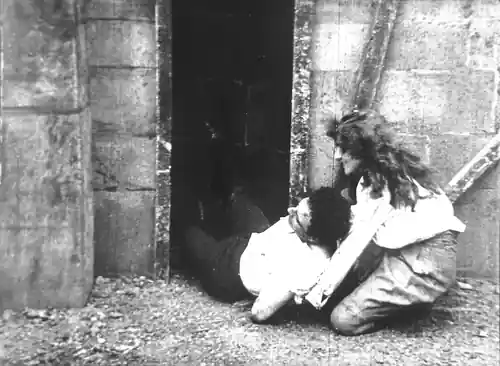
Placing "L'atleta fantasma" within the broader, sprawling tapestry of early cinema unequivocally reveals its singularly unique and pioneering position. While many contemporary films, such as Emmy of Stork's Nest, might have meticulously explored the intricate nuances of domestic dramas, or spectacles like The Bearded Lady delved into the realms of curiosity and visual spectacle, "L'atleta fantasma" was audaciously charting entirely new territory in the nascent genre of narrative adventure. It significantly predates the widespread popularization of masked heroes, offering an extraordinarily fascinating glimpse into the cultural imagination before the seismic advent of comic books and their enduring iconography. Its pervasive themes of hidden identity and profound self-sacrifice resonate, albeit within vastly different contexts, with the moral quandaries and ethical dilemmas explored in a film like The Second in Command, which might delve into the complex interplay of duty and personal responsibility. The inherent struggle against formidable external forces, and the individual's pivotal role in confronting and overcoming them, also finds intriguing echoes in the grander, more allegorical battles depicted in films such as Strike, though "L'atleta fantasma" grounds its central conflict in a personal, romantic drama rather than expansive societal upheaval. The film's pronounced emphasis on a singular, coveted object driving the entire plot's momentum, and the subsequent "destiny" it inexorably crafts for its characters, could draw a compelling conceptual parallel with the thematic underpinnings of a film like Destiny, where fate often dictates the inexorable course of events. However, its most striking and enduring comparison remains its uncanny, almost prophetic foreshadowing of the entire superhero genre, solidifying its undeniable status as a cinematic curiosity of immense historical value and a pivotal piece of early film history.
The visual aesthetic of "L'atleta fantasma" is elegantly simple yet consistently effective, masterfully leveraging the stark, dramatic contrasts inherently possible within black-and-white cinematography. The jewel, serving as the undeniable nucleus of the plot, is frequently highlighted through deliberate and precise framing, its shimmering quality – even when rendered in monochrome – subtly hinting at its potent allure and the inherent peril it represents. Yet, it is the distinctive costume of L'atleta fantasma that truly captures and ignites the imagination. The bare-chested wrestler, his face obscured by an enigmatic mask, presents an iconic image, stripped down to its most essential, potent heroic elements. This costume is far more than a mere disguise; it functions as a powerful symbol of profound transformation, a visual shorthand for the shedding of mundane, everyday identity and the courageous embrace of an extraordinary, higher purpose. The mask, in particular, is absolutely crucial to this symbolism. It effectively abstracts Audreses, elevating him from a specific individual into a universal embodiment of justice, a veritable "phantom" who appears and disappears with uncanny, almost supernatural grace. This deliberate and insightful choice in costuming significantly predates the elaborate, technologically advanced superhero suits of later eras but carries the identical symbolic weight, signifying a hero who operates resolutely outside the conventional boundaries of society, an anonymous yet potent protector.
Despite its considerable age and the inherent technical limitations of its pioneering era, "L'atleta fantasma" possesses an enduring and undeniable appeal that effortlessly transcends its specific historical context. It serves as a vital, resonant reminder that the fundamental human urge to tell stories of hidden heroes and daring, improbable rescues is utterly timeless and universal. Its influence, though perhaps often indirect and subtle, can be demonstrably traced through the rich lineage of masked vigilantes and secret identities that have unequivocally dominated global cinema, literature, and comic books for well over a century. For diligent film historians, it offers a crucial and invaluable data point in the intricate evolution of narrative forms, particularly within the nascent adventure and action genres. For casual viewers, it remains a charmingly engaging and surprisingly compelling piece of silent cinema, a profound testament to the inherent power of visual storytelling even in the complete absence of spoken dialogue. It invites us to deeply appreciate the ingenuity and creative resourcefulness of early filmmakers who, armed with relatively limited tools and nascent technology, nonetheless managed to meticulously craft narratives that continue to resonate with universal, timeless themes of love, imminent danger, and profound heroism. It’s significantly more than just a historical curiosity; it is, in essence, a foundational text in the expansive global lexicon of heroic narratives.
Ultimately, "L'atleta fantasma" remains a striking and remarkably prescient cinematic achievement, a vibrant testament to the imaginative prowess and pioneering spirit of early Italian filmmakers. It is a film that defiantly transcends its historical placement, speaking volumes about the universality of its core themes and the timeless allure of a hero who operates effectively and decisively from the shadows. The intricate interplay of melodrama, heartfelt romance, and proto-superheroic action creates a rich, multifaceted tapestry that is both inherently entertaining and undeniably historically significant. Renee De Liot, alongside the dedicated performances of Gaetano Rossi, Dino Bonaiuti, Mario Guaita-Ausonia, and Elsa Zara, collectively crafted a work that not only stands robustly on its own merits as an engaging silent film but also serves as an intriguing and vital antecedent to one of modern storytelling's most pervasive and beloved genres. Its quiet yet profoundly powerful legacy continues to intrigue scholars and dedicated enthusiasts alike, proving conclusively that even in the nascent, formative days of cinema, the fertile seeds of enduring myths were being meticulously sown, patiently waiting to blossom into the iconic narratives we cherish so deeply today.

IMDb 5.1
1927
Community
Log in to comment.