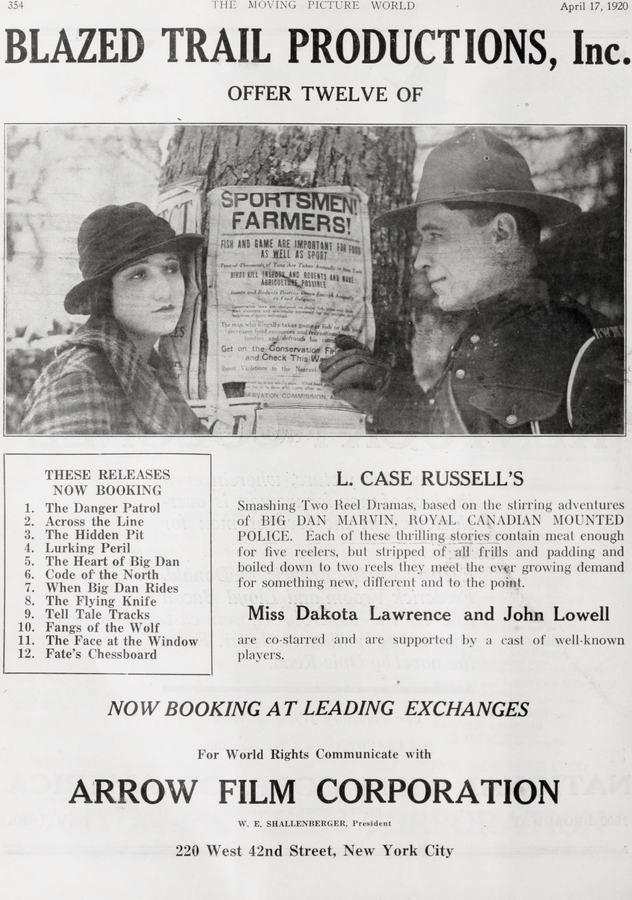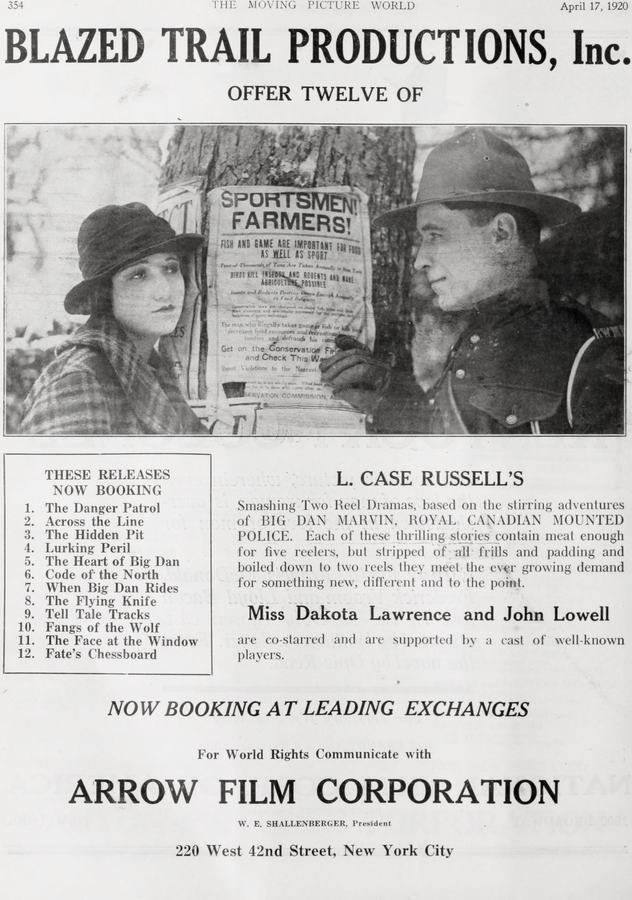
There is a moment, roughly two-thirds through The Heart of Big Dan, when Robert Hamilton’s face fills the entire iris-shot and the emulsion seems to blister from the heat of his remorse. No title card intrudes; nothing tells us he is thinking of the daughter he abandoned or the comrade whose skull he fractured with a f...
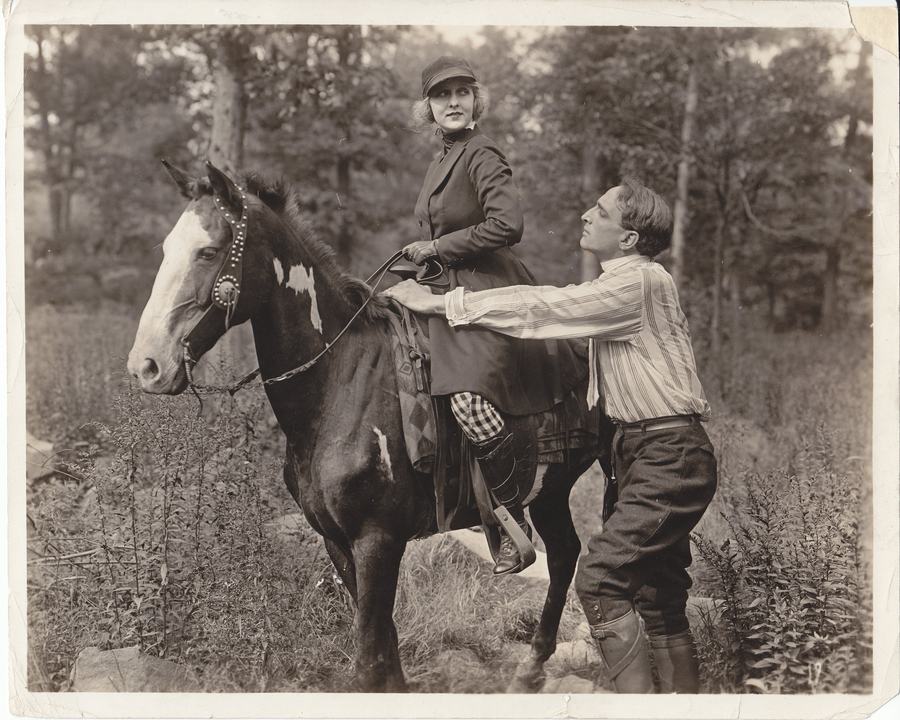

Comparing the cinematic DNA and archive impact of two defining moments in cult history.
Joseph J. Barry
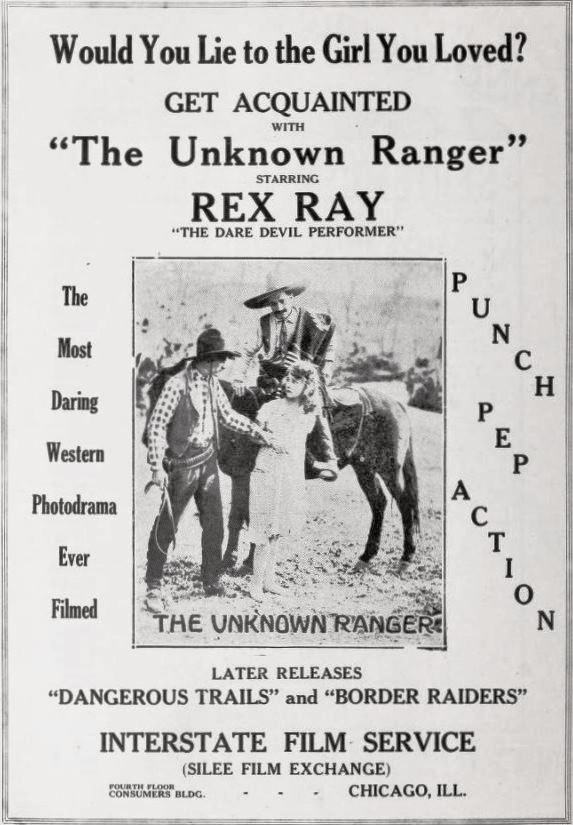
Harris Gordon
Community
Log in to comment.
"There is a moment, roughly two-thirds through The Heart of Big Dan, when Robert Hamilton’s face fills the entire iris-shot and the emulsion seems to blister from the heat of his remorse. No title card intrudes; nothing tells us he is thinking of the daughter he abandoned or the comrade whose skull he fractured with a froe. We simply watch a man disintegrate in real time, sixteen silent frames per second, while the orchestra—if your venue is lucky enough to retain a flesh-and-blood pianist—shifts..."
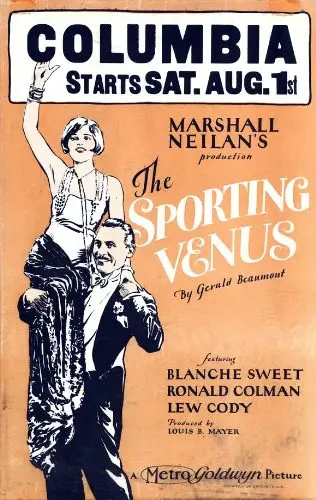
Deep dive into the cult classic
Discover similar cinematic experiences
A Directorial Spotlight on Joseph J. Barry