Summary
In an era where artistic integrity often clashes with commercial ruthlessness, 'The Hidden Law' unfurls the tragic odyssey of John Carlton, a prodigious writer whose masterpiece, a theatrical tour-de-force, is cruelly pilfered. Destitute and desperate, Carlton accepts a paltry sum for his groundbreaking play, only to witness its meteoric rise while he languishes in obscurity. His righteous demand for equitable recompense is met with derision, igniting a furious confrontation that culminates in his unjust incarceration. Six months in the crucible of confinement transmutes his vibrant genius into a corrosive misanthropy, driving him to seek solace in the untamed wilderness. There, amidst the brutal indifference of nature, he stumbles upon a harrowing scene of loss – a mother and father claimed by the wilds, leaving behind a bewildered seven-year-old girl. Compelled by an unexpected flicker of humanity, Carlton assumes the mantle of her protector, forging a peculiar, isolated existence far from the 'haunts of men.' A decade later, this nascent paradise is irrevocably breached by the intrusion of a wounded aristocrat, whose presence ignites a complex emotional conflagration within Carlton: a possessive, almost paternal love for the now-grown woman, intertwined with his deep-seated hatred for the world he abandoned. The ensuing romantic entanglement forces Carlton to confront his own shadowed past and the 'hidden law' that has silently orchestrated his fate, revealing an astonishing twist of destiny that promises both redemption and an agonizing sacrifice.
Synopsis
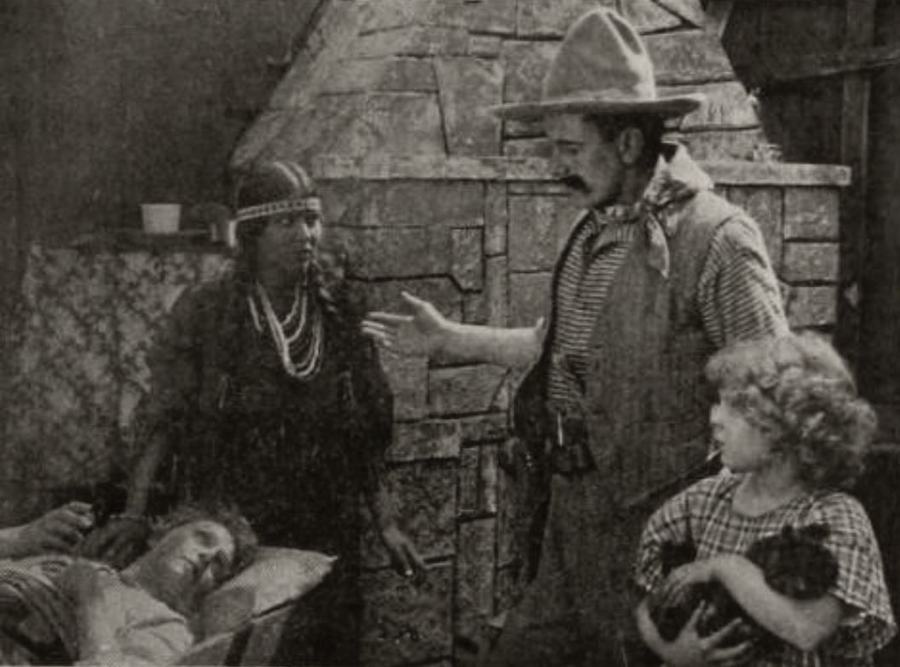
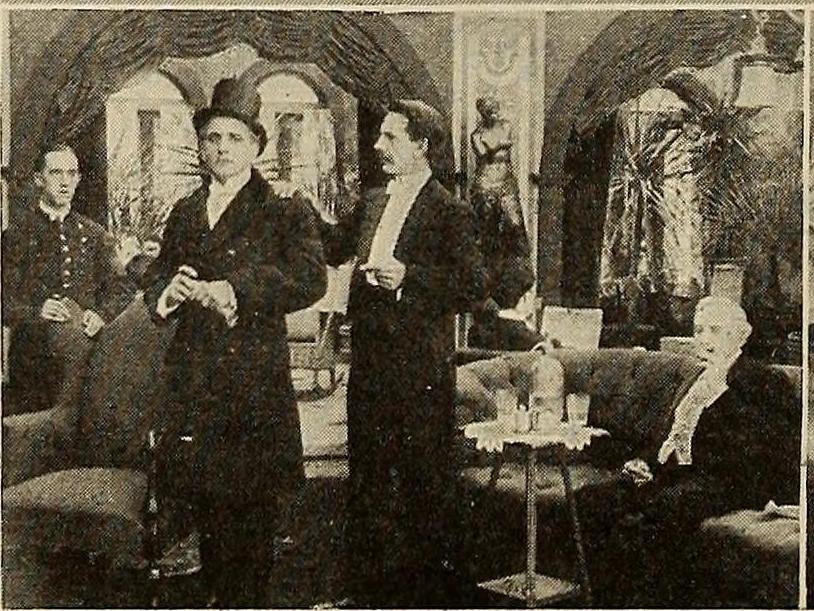
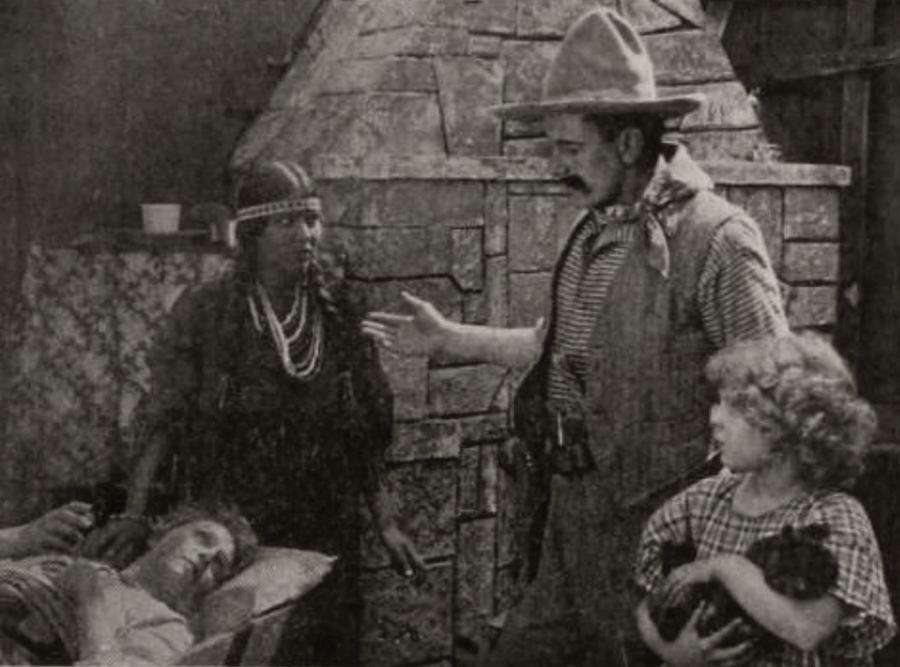
John Carlton is a writer and genius. After superhuman effort against the obstacles of poverty, he finishes his play. Being too poor to copyright it, he submits it to a producer, and in the stress of the moment, accepts as payment $100. The play is the talk of the hour and Carlton, knowing of its immense drawing powers, and being discouraged by the return of his book from the publisher with the usual note of no commercial value, he goes to the play's producer and demands a royalty. The producer taunts him with the lack of copyright and considers the episode closed. Carlton grasps a roll of bills from the table and attacks the manager. He is arrested and sentenced to six months in jail. When he emerges from his imprisonment his genius has died within him and in its place is a hatred of mankind. He makes his way to remote wilds. Here he comes upon a tragedy, the death of a woman, far from a doctor's service, and the death of her husband, who has been going for a doctor and has encountered wild animals. Carlton finds that he cannot desert a little seven-year-old girl that is left, and taking her and the squaw who is her only companion, ,he presses on to be farther away from the haunts of men, but not alone. Ten years later, the girl has grown to womanhood. Carlton has built a hut and has brought from civilization many evidences of his taste and culture. With a sort of insanity he guards his paradise from the invasion of men and breaks the law of man ruthlessly. While away on one of his mysterious journeys a young aristocrat, who has been hunting big game, is wounded by a stray shot and saved from death by the young princess of the mountains who comes upon him just as a puma is about to attack him. With the squaw she gets him to retreat. The friends of the hunter give him up for dead and leave the district. Carlton has now to return and find in the girl a love for the youth which he himself has begun to covet. With the added hatred of mankind to the jealousy of love, he determines to shoot the man but comes upon a tryst, and in the face of the girl he reads the story of her heart. He discloses his career to the young man, who, finding himself unable to overcome his love for her, exacts a promise that he, Carlton, will never see the girl again after he, the young hunter, makes the girl his wife. The girl, horrified to find the man she has idolized as her father, a bandit and a thief, turns with relief to her lover to be taken away from his neighborhood. And so after seeing them married he turns back to the retreat and the light goes out of his life. There seems nothing but death left but the hidden law is working even for him, as it has exacted toll from him. He reads in an old newspaper the story of an unwritten genius, whose book has set the world aflame and the royalties of which await the author, should he ever be found. This strange trick of fate is due to the fact that his old landlady, of former years, has picked up the book he supposed that he had left burning, and has herself submitted it, not claiming to be the author. Thus through the years he has been in his proper status in society without knowing it. Love conquers the heart of the girl and she insists upon returning to bid her foster father a more loving farewell. So in his darkest hour he learns the lesson of truth and allows himself to be persuaded to go back to the world he has deserted.
Review Excerpt
"
Unveiling the Enigmatic Threads of 'The Hidden Law': A Journey Through Genius, Betrayal, and Cosmic Reciprocity
Step into the shadowy corridors of early cinema with ‘The Hidden Law’, a compelling narrative that delves into the profound psychological toll of injustice and the intricate, often circuitous, path to redemption. This isn't merely a film; it's a stark philosophical inquiry into the nature of genius, societal indifference, and the unseen forces that govern human destiny. At it..."