DbcultAccessing Vault...
5.6/10
Senior Film Conservator
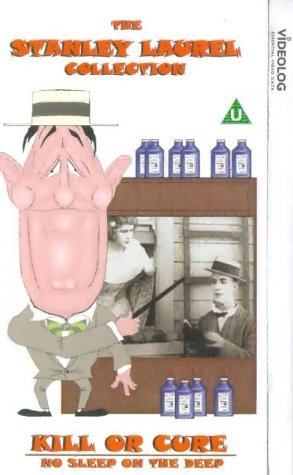
A definitive 5.6/10 rating for a film that redefined the boundaries of cult cinema. Kill or Cure remains a cornerstone of transgressive art.
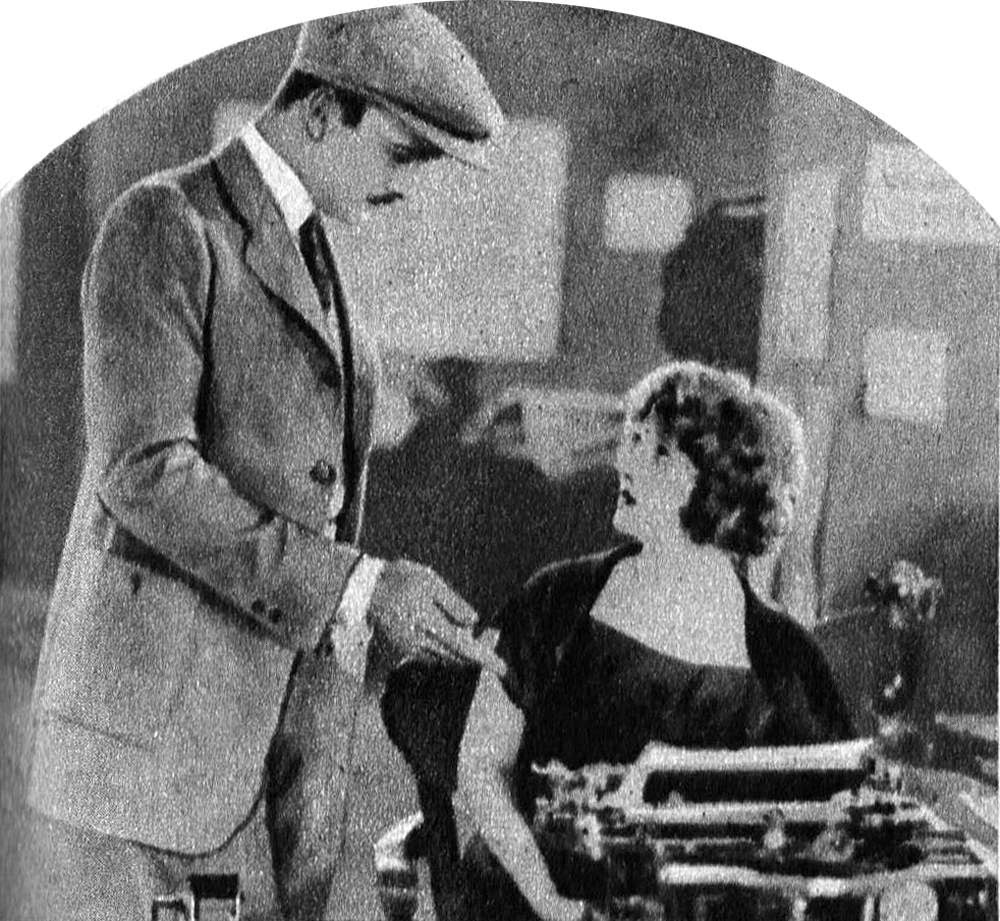
Kill or Cure is a film that defies easy categorization, existing at the nexus of social commentary, satire, and poignant character study. On its surface, the movie appears to be a straightforward narrative about a hapless door-to-door salesman, but as the story unfolds, it reveals itself to be a complex exploration of the human condition. The salesman, played with a mix of desperation and determination, is a symbol of the everyman, struggling to find his place in a world that seems determined to reject him.
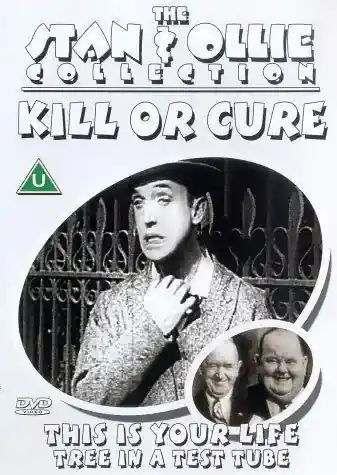
As the salesman navigates the treacherous landscape of his customers' skepticism, he begins to realize that his 'miracle cure' is not the panacea he had hoped it would be. Instead, it serves as a metaphor for the false promises of a capitalist system that prioritizes profit over people. The film's use of yellow and sea blue hues serves to underscore this theme, with the bright, cheerful colors of the salesman's promotional materials giving way to a more muted, melancholic palette as the reality of his situation sets in.
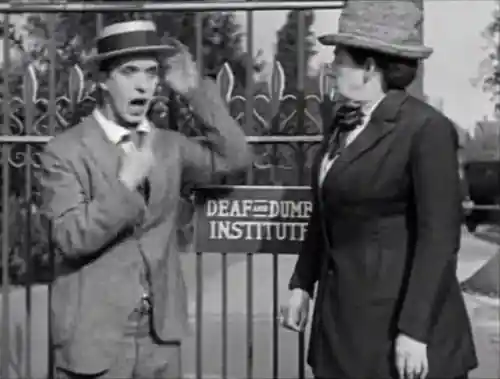
One of the most striking aspects of Kill or Cure is its use of long takes and static shots to create a sense of realism. The camera often lingers on the salesman's face, capturing the subtleties of his emotions as he interacts with his customers. This approach serves to underscore the sense of intimacy and immediacy that permeates the film, drawing the viewer into the salesman's world and refusing to let them look away. In this regard, Kill or Cure can be seen as a precursor to films like The Light in the Dark, which also utilize long takes to create a sense of tension and unease.
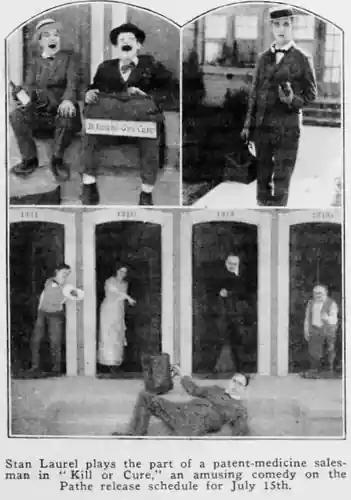
The cast of Kill or Cure delivers a series of standout performances, with Katherine Grant and Ivadell Carter bringing a sense of depth and nuance to their roles. The chemistry between the actors is palpable, and their interactions serve to underscore the sense of desperation that underlies the salesman's pursuit of success. In this regard, the film can be seen as a spiritual cousin to The Napoleonic Epics, which also explore the complexities of human relationships in the face of adversity.
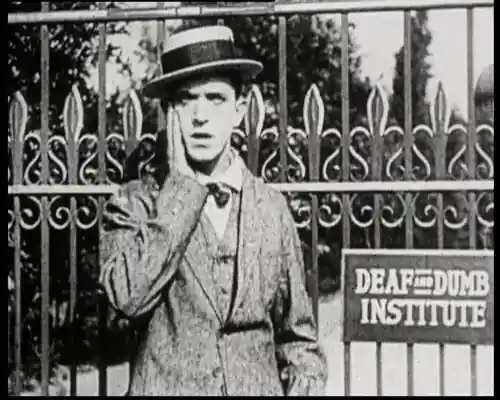
Despite its thought-provoking themes and standout performances, Kill or Cure is not without its flaws. At times, the pacing can feel a bit sluggish, and the film's use of yellow and sea blue hues can feel a bit heavy-handed. However, these are minor quibbles in what is otherwise a powerful and affecting film. As the credits roll, the viewer is left to ponder the true cost of a system that values expediency over empathy, and the ways in which we can work to create a more compassionate and equitable society. In this regard, Kill or Cure can be seen as a companion piece to films like Hills of Hate and The Despoiler, which also explore the complexities of human relationships in the face of adversity.
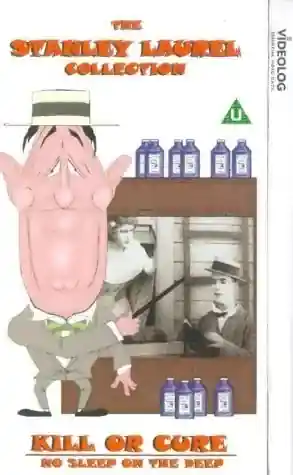
In terms of its place within the broader cinematic landscape, Kill or Cure can be seen as a precursor to films like The Misleading Lady and Fighting for Gold, which also explore the complexities of human relationships in the face of adversity. The film's use of long takes and static shots also serves to underscore its influence on later films, such as Stranger Than Fiction and The Alster Case. As such, Kill or Cure is a film that rewards close attention and multiple viewings, offering a rich and nuanced exploration of the human condition that continues to resonate with audiences today.
In addition to its influence on later films, Kill or Cure can also be seen as a product of its time, reflecting the societal anxieties and fears of the era in which it was made. The film's exploration of the tensions between capitalism and compassion serves to underscore the sense of unease that permeated the early 20th century, as the world struggled to come to terms with the aftermath of World War I. In this regard, Kill or Cure can be seen as a companion piece to films like The Lure of Millions and The Sunset Trail, which also explore the complexities of human relationships in the face of adversity.
The film's use of dark orange and yellow hues serves to underscore the sense of tension and unease that permeates the narrative, drawing the viewer into the salesman's world and refusing to let them look away. As the story unfolds, the colors become increasingly muted, reflecting the salesman's growing sense of desperation and despair. This approach serves to create a sense of visual cohesion, tying the film's themes and motifs together in a way that is both powerful and affecting. In this regard, Kill or Cure can be seen as a precursor to films like Gretna Green and Loyalty, which also utilize color to create a sense of mood and atmosphere.
In conclusion, Kill or Cure is a film that rewards close attention and multiple viewings, offering a rich and nuanced exploration of the human condition that continues to resonate with audiences today. With its thought-provoking themes, standout performances, and innovative use of color, the film is a must-see for anyone interested in the cinematic arts. As the credits roll, the viewer is left to ponder the true cost of a system that values expediency over empathy, and the ways in which we can work to create a more compassionate and equitable society. In this regard, Kill or Cure can be seen as a companion piece to films like The Grell Mystery and Byl první máj, which also explore the complexities of human relationships in the face of adversity.
The film's influence can also be seen in later works, such as Loose Lions, which also explore the complexities of human relationships in the face of adversity. The use of long takes and static shots serves to underscore the sense of realism that permeates the narrative, drawing the viewer into the salesman's world and refusing to let them look away. As such, Kill or Cure is a film that continues to resonate with audiences today, offering a powerful and affecting exploration of the human condition that rewards close attention and multiple viewings.
IMDb —
1926
Community
Log in to comment.