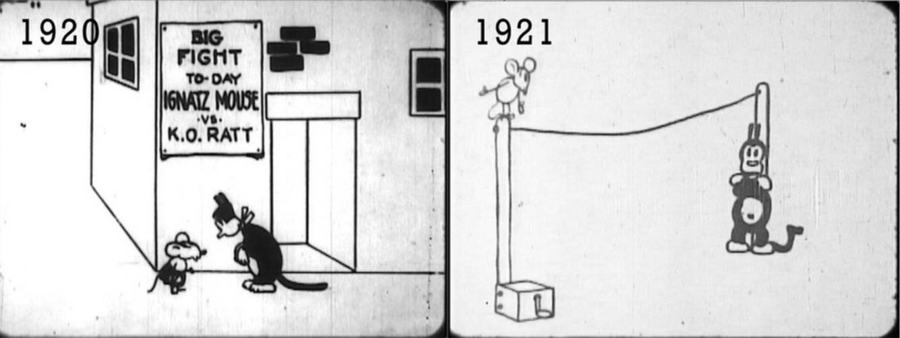
The Kinetic Surrealism of the Herriman Threshold To witness The Hinges on the Bar Room Door is to observe the primordial soup of American slapstick as it begins to crawl onto the dry land of narrative structure. George Herriman, the mastermind who would later gift the world the sublime absurdity of ...

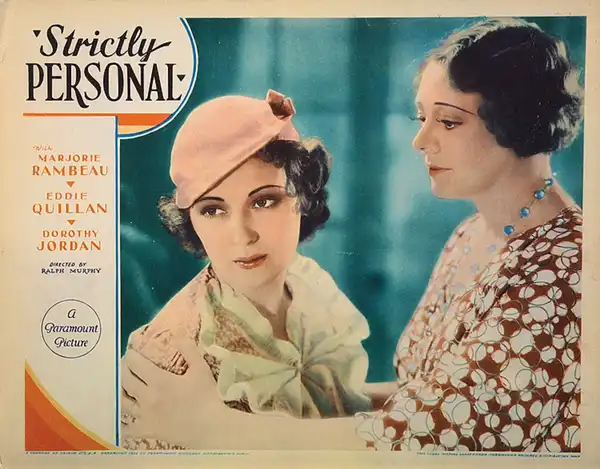
Comparing the cinematic DNA and archive impact of two defining moments in cult history.
Vernon Stallings
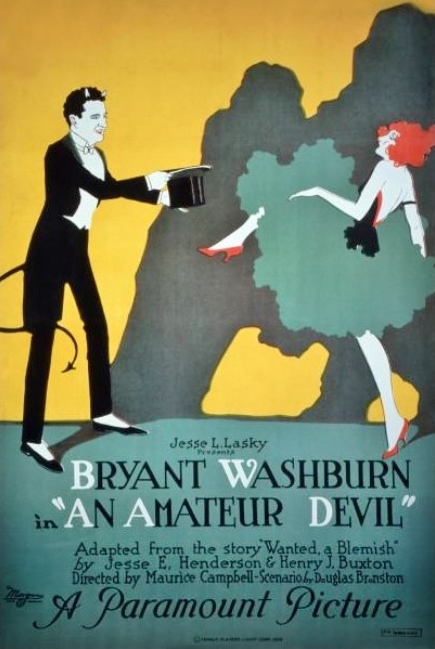
Maurice Campbell
Community
Log in to comment.
" The Kinetic Surrealism of the Herriman Threshold To witness The Hinges on the Bar Room Door is to observe the primordial soup of American slapstick as it begins to crawl onto the dry land of narrative structure. George Herriman, the mastermind who would later gift the world the sublime absurdity of Krazy Kat, brings a jagged, nervous energy to this production that distinguishes it from the more pedestrian comedies of its era. While films like Jumbles and Jokers relied on broa..."
Deep dive into the cult classic
Discover similar cinematic experiences
A Directorial Spotlight on Vernon Stallings