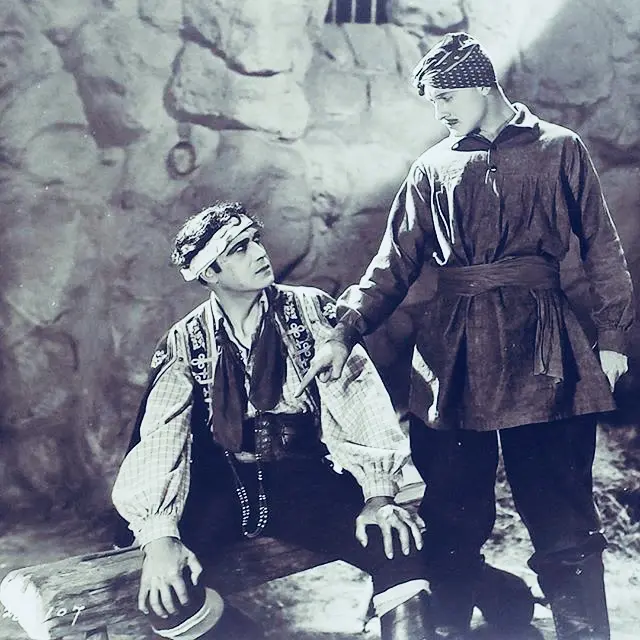
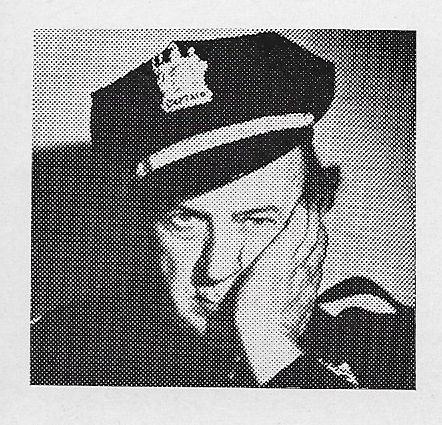
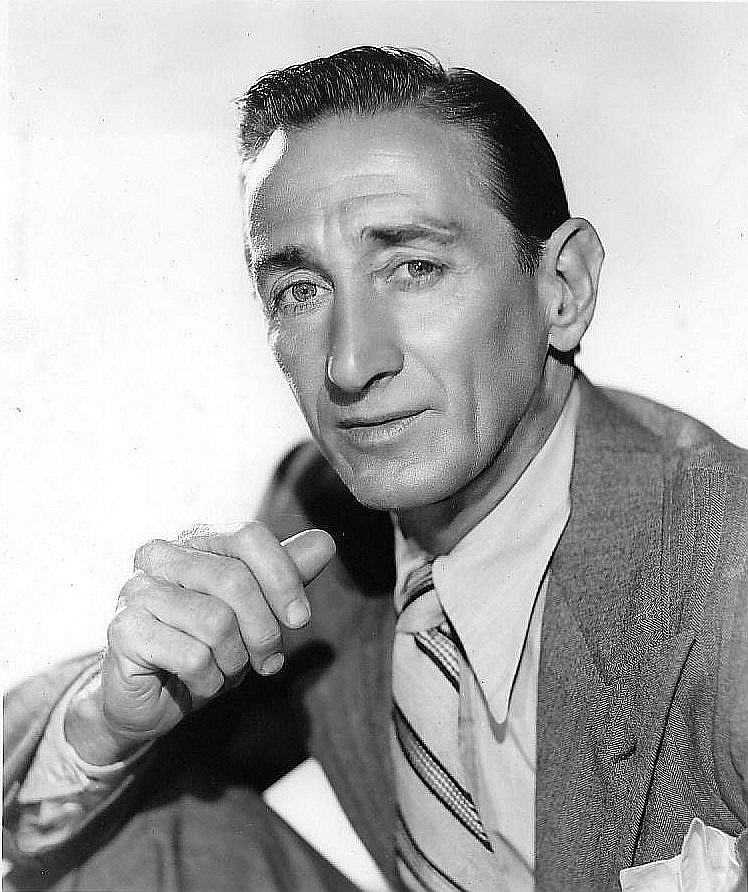
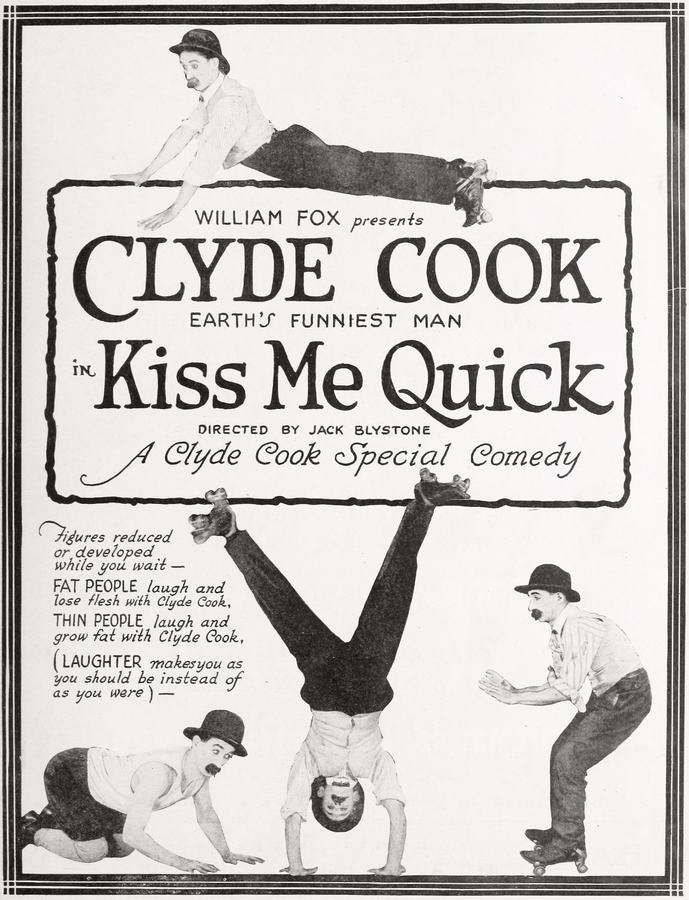
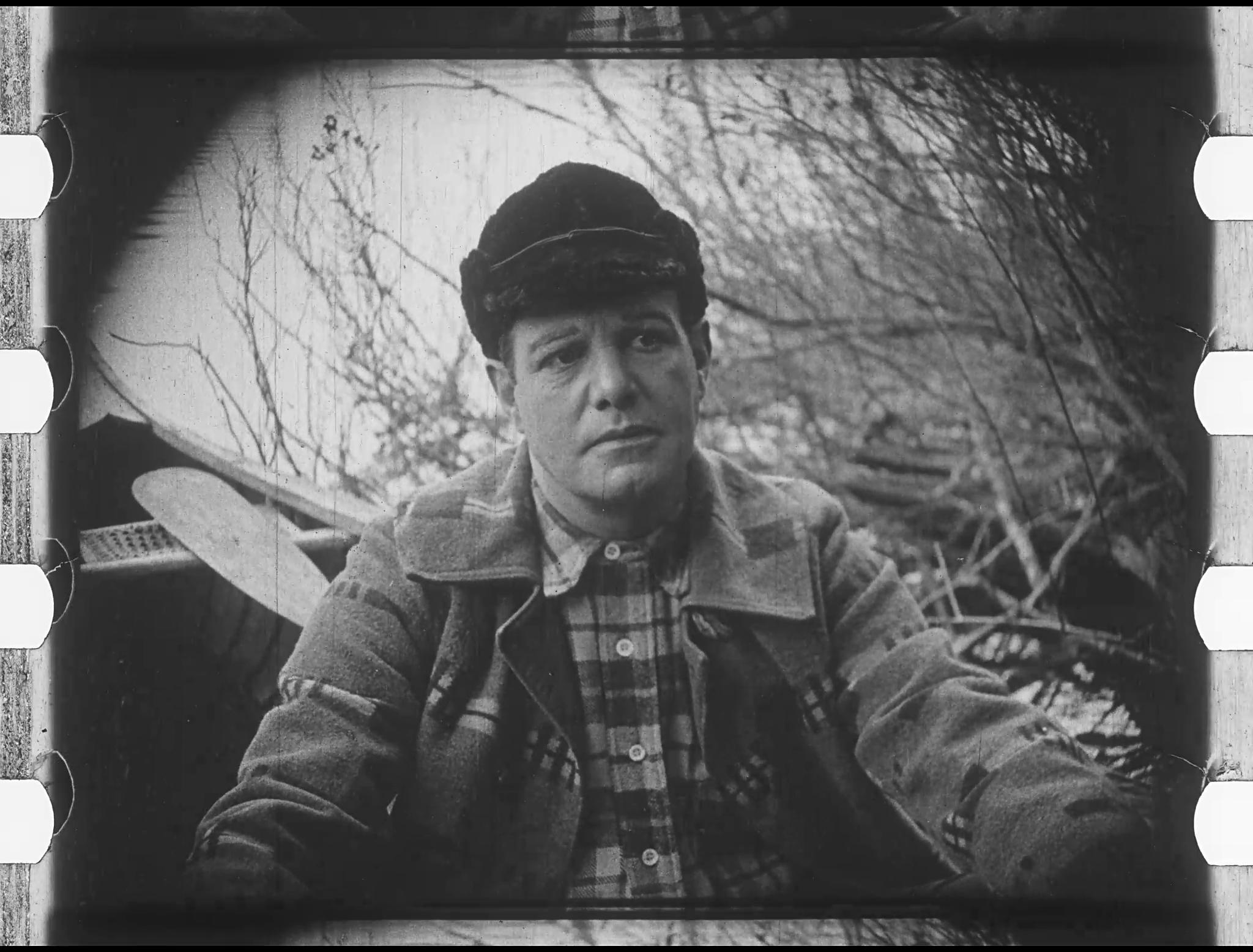
Clyde poses as a count, whose clothes he purloins in a Pullman car. The distinguished guest at a country club, he goes through the paces at a fox hunt, staged especially for the count.
United States
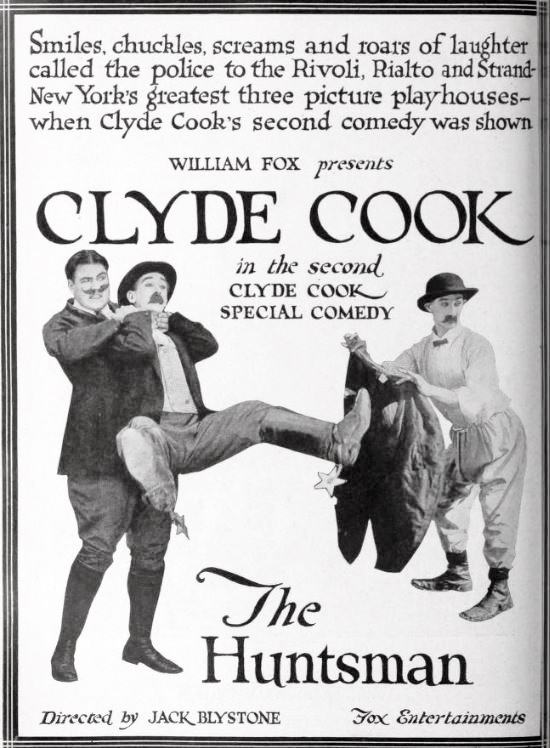
Monochrome has rarely bitten so deep. In The Huntsman, a two-reel morsel baked in 1924, the camera does not merely record class imposture; it gnaws at it, chews the gristle, then spits the bones onto Persian rugs. Clyde Cook, that antipodean contortionist of slapstick, wriggles into the ermine-trimmed delusion of aris...
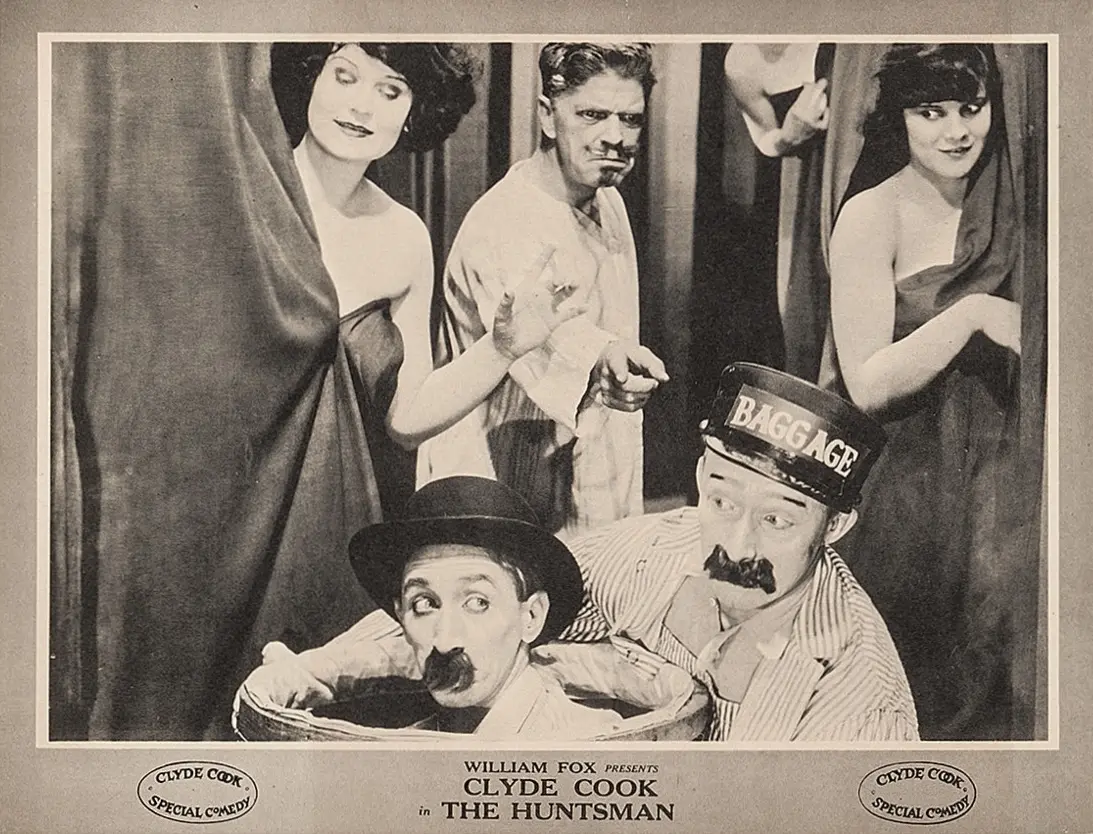
still_frame
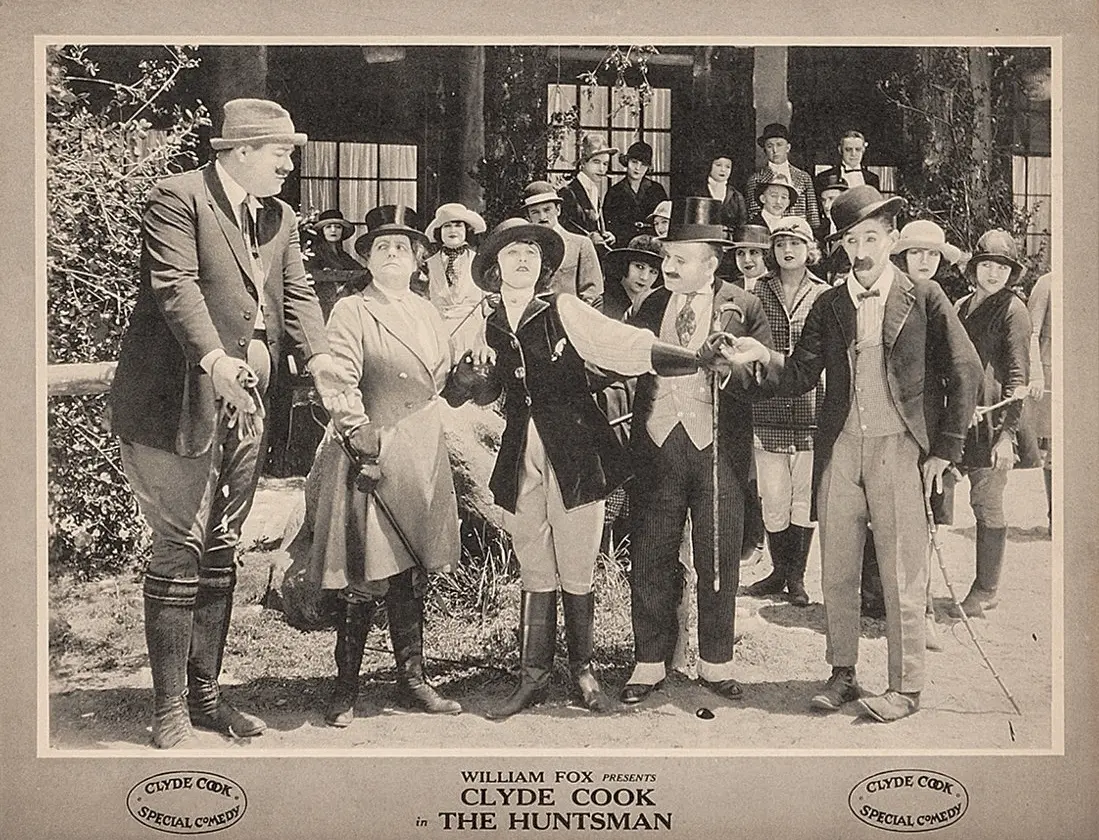
still_frame
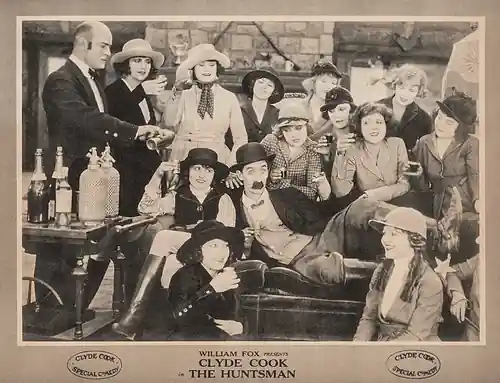
still_frame
Comparing the cinematic DNA and archive impact of two defining moments in cult history.
John G. Blystone
Edgar Jones
Community
Log in to comment.
" Monochrome has rarely bitten so deep. In The Huntsman, a two-reel morsel baked in 1924, the camera does not merely record class imposture; it gnaws at it, chews the gristle, then spits the bones onto Persian rugs. Clyde Cook, that antipodean contortionist of slapstick, wriggles into the ermine-trimmed delusion of aristocracy with the fervor of a man who knows that silk on his back is worth more than honesty in his soul. The premise—steal a suit, steal a life—feels almost Jacobean in its cynicis..."