DbcultAccessing Vault...
6.2/10
Senior Film Conservator
A definitive 6.2/10 rating for a film that redefined the boundaries of cult cinema. Muurmanin pakolaiset remains a cornerstone of transgressive art.
Is Muurmanin pakolaiset worth watching nearly a century after its release? Short answer: yes, but only if you have the patience for the deliberate, rhythmic pacing of the silent era and an interest in the foundational stones of Nordic cinema. This film is for the cinematic historian and the lover of atmospheric survival stories; it is absolutely not for those seeking the high-octane editing of modern thrillers.
The film exists as a fascinating bridge between the romanticism of the early 20th century and the stark realism that would later define Finnish film. Directed by the legendary Erkki Karu, it captures a specific moment in post-war consciousness where the memory of labor camps and international conflict was still a raw, bleeding wound. It doesn't just tell a story of an escape; it documents a landscape and a people hardened by geography.
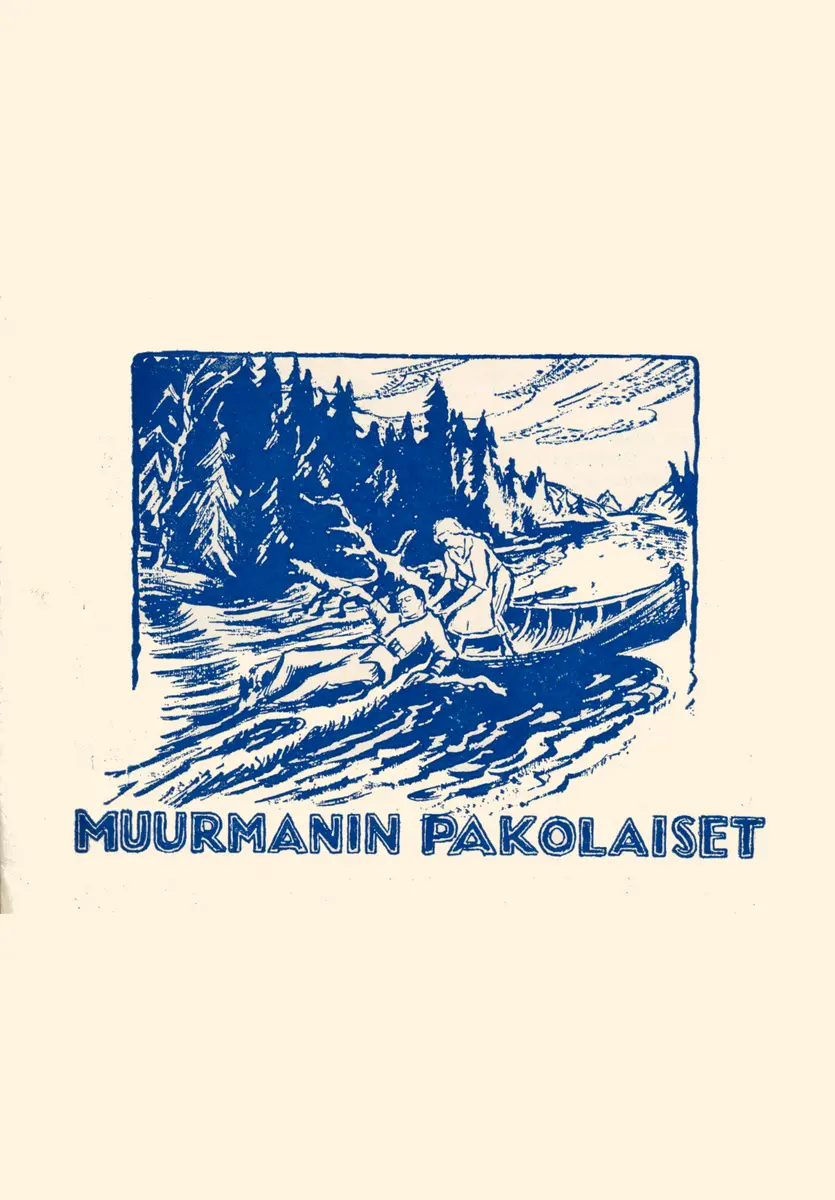
In Muurmanin pakolaiset, the environment is the primary narrative engine. When the German Lieutenant is pulled from the river, the water isn't just a prop; you can almost feel the bone-chilling cold through the grainy black-and-white stock. Unlike the stylized, studio-bound sets of contemporary films like Satan's Rhapsody, Karu’s work feels dangerously tactile. The river rescue is a standout moment of practical filmmaking, where the lack of safety nets is palpable.
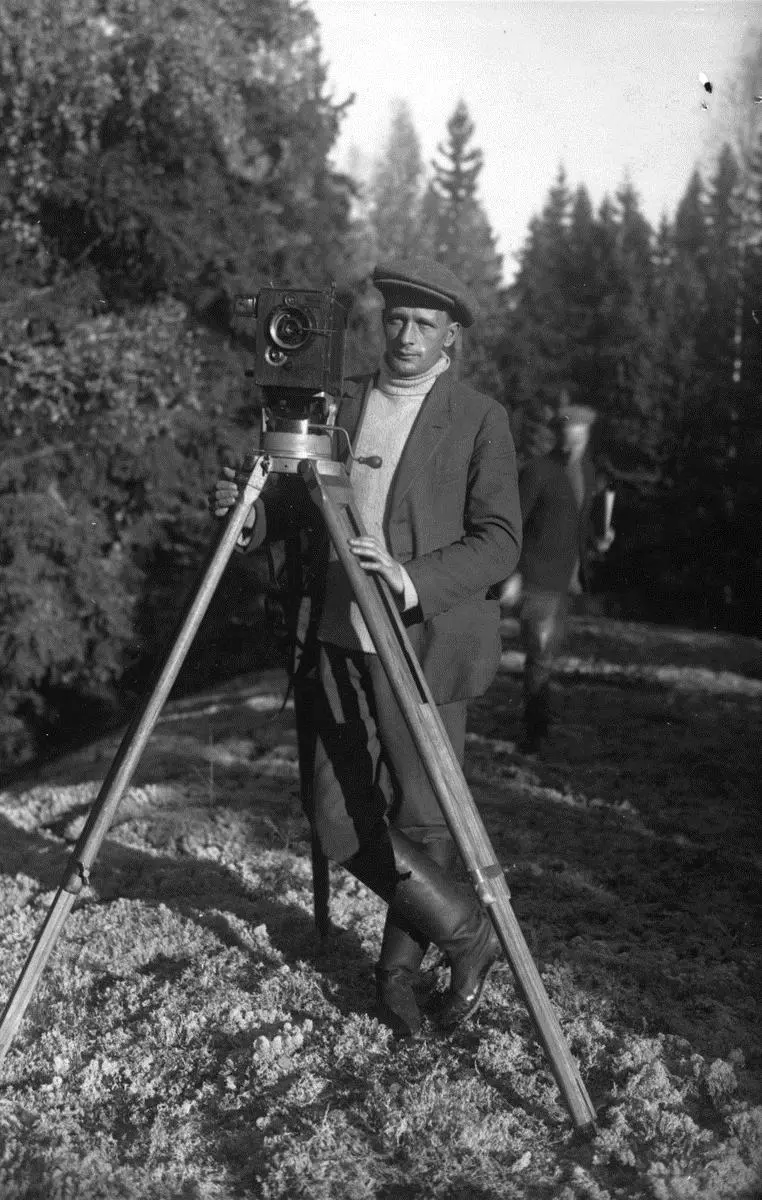
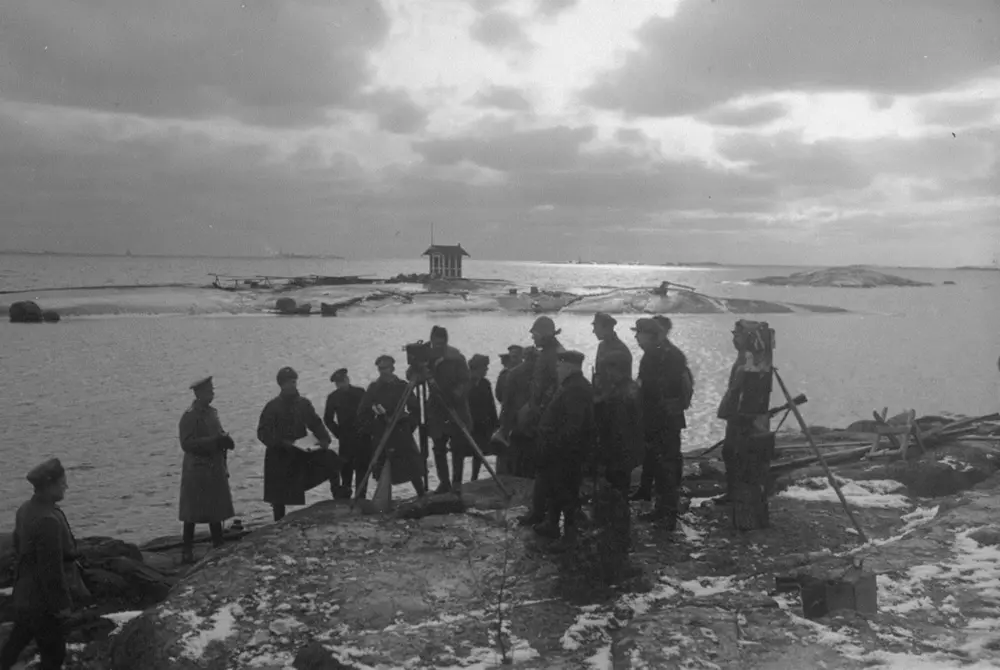
The cinematography by Frans Ekebom captures the vastness of the North with a haunting clarity. There is a specific shot where the police silhouettes are framed against a sprawling, barren horizon that perfectly encapsulates the theme of the individual versus the state. It reminds me of the isolation found in The Big Adventure, though Karu’s vision is significantly more somber. The camera doesn't just observe; it lingers on the textures of wood, wool, and ice.
The pacing is, admittedly, a challenge for the modern eye. The film takes its time establishing the domestic life of the Niva farm. This isn't accidental. By showing the mundane chores and the quiet dignity of Saima’s life, Karu heightens the stakes of her decision to harbor a fugitive. It’s a slow burn. It works. But it’s flawed by a lack of narrative variety in the second act.
While the plot centers on a German officer, the film is deeply Finnish. The Murman railway labor camps were a site of immense suffering, and by bringing a survivor into a domestic Finnish space, the film forces a confrontation with the ghosts of the Great War. The Lieutenant is a vessel for the audience's empathy, but Saima is the true protagonist. Her bravery isn't loud; it’s the quiet bravery of providing a bowl of soup and a warm bed in the face of imprisonment.
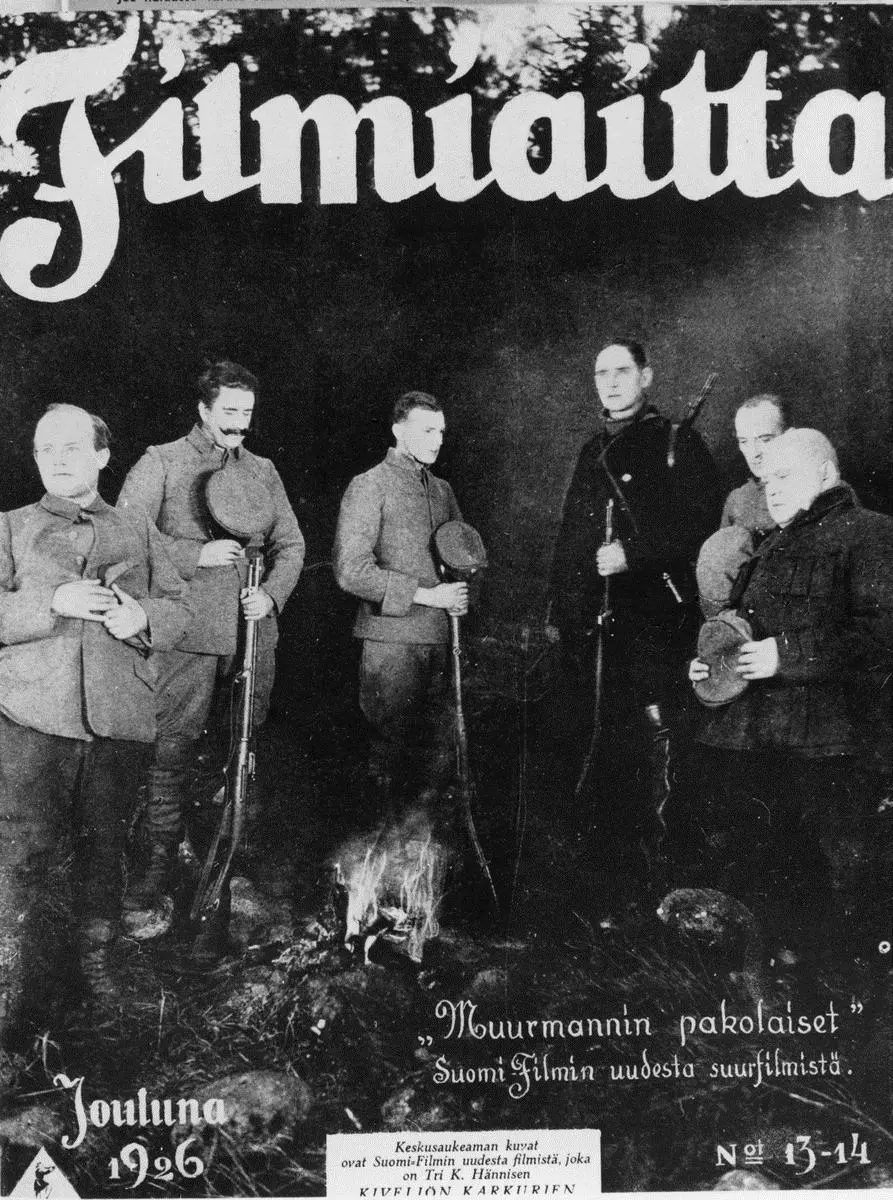
There is a fascinating contrast here with other films of the era. While American productions like The Lost City were leaning into pulp and adventure, Finnish cinema was grappling with the immediate aftermath of geopolitical shifts. The tension in the Niva household when the police arrive is expertly directed. Karu uses close-ups—a rarity in some early silents—to capture the micro-expressions of fear and resolve on Sulo Räikkönen’s face. It’s a masterclass in silent tension.
I would argue that the film’s nationalist undertones are its most debatable element. It portrays the Finnish peasantry as inherently noble and the authorities as a faceless, almost mechanical threat. While this makes for compelling drama, it lacks the moral complexity found in later war films. However, as a piece of 1927 propaganda-adjacent storytelling, it is remarkably effective and visually sophisticated.
If you are looking for a historical artifact that still carries emotional weight, then yes, Muurmanin pakolaiset is essential viewing. It provides a window into the soul of early Finnish identity and the technical prowess of Suomi-Filmi. While it lacks the frantic energy of Crossed Wires, it offers a meditative and visually rewarding experience that stays with you long after the final title card.
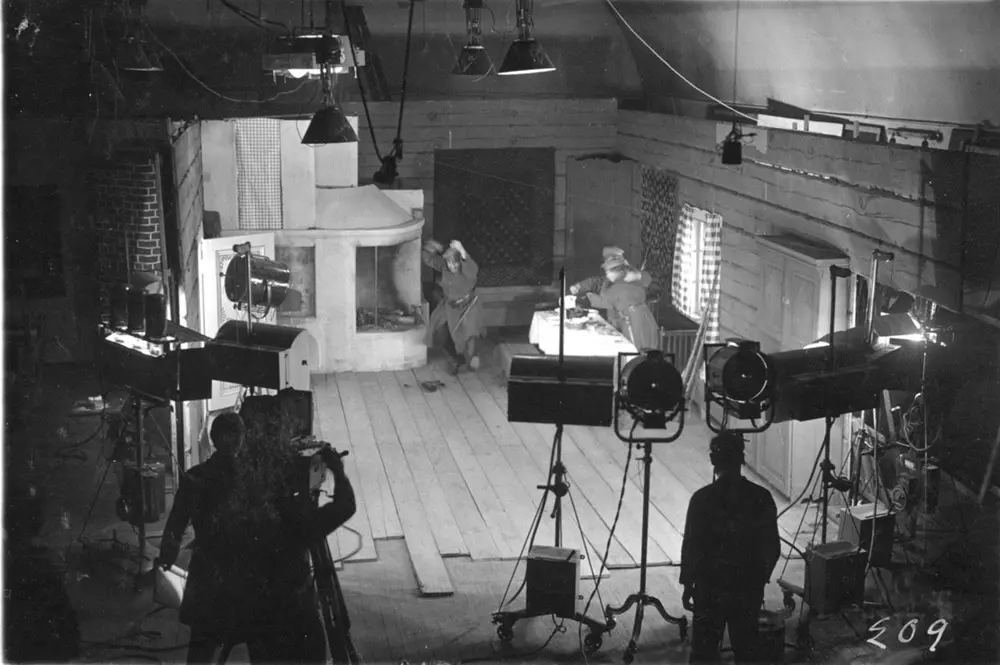
Technically, the film is a triumph of resourcefulness. The lighting in the interior scenes at the Niva farm utilizes natural light sources—or at least the convincing imitation of them—to create a sense of claustrophobia. When the Lieutenant is hiding in the shadows, the high-contrast lighting creates a noir-like atmosphere years before the genre was officially codified. This visual sophistication is what separates Karu from his contemporaries who were still stuck in theatrical, flat staging.
The acting is surprisingly restrained. Sulo Räikkönen avoids the wild gesticulation common in silent cinema, opting instead for a physical performance that conveys exhaustion and trauma. Eine Laine as Saima provides the emotional anchor, her face serving as the moral compass of the story. Their chemistry is subtle, built on shared glances rather than grand romantic gestures, which makes the eventual arrival of the police feel like a genuine tragedy.
Comparing this to The Princess of India, one can see the difference between exoticism and grounded realism. Karu isn't trying to transport you to a fantasy land; he’s trying to make you feel the dirt under your fingernails. It is a gritty, unwashed version of history that feels more honest than many of the big-budget spectacles of the same year.
Pros:
- Stunning location photography that captures the raw beauty of the North.
- Restrained, modern-feeling performances from the lead cast.
- A genuine sense of atmospheric dread and tension.
- Historical significance as a cornerstone of Finnish cinema.
Cons:
- The narrative structure is somewhat thin and predictable.
- The pacing in the second act can feel glacial to modern audiences.
- Some of the minor characters are underdeveloped archetypes.
Muurmanin pakolaiset is a rugged, beautiful, and occasionally frustrating piece of cinema. It is a film that demands your full attention and rewards it with a deep sense of place and time. While it doesn't reinvent the wheel of the escape narrative, it executes it with a level of visual poetry that was rare for its time. It is a testament to the power of silent film to communicate complex national anxieties through simple, human stories. It is a piece of history that still breathes. It is essential, if occasionally slow, viewing for anyone serious about the medium.

IMDb 5.6
1936
Community
Log in to comment.