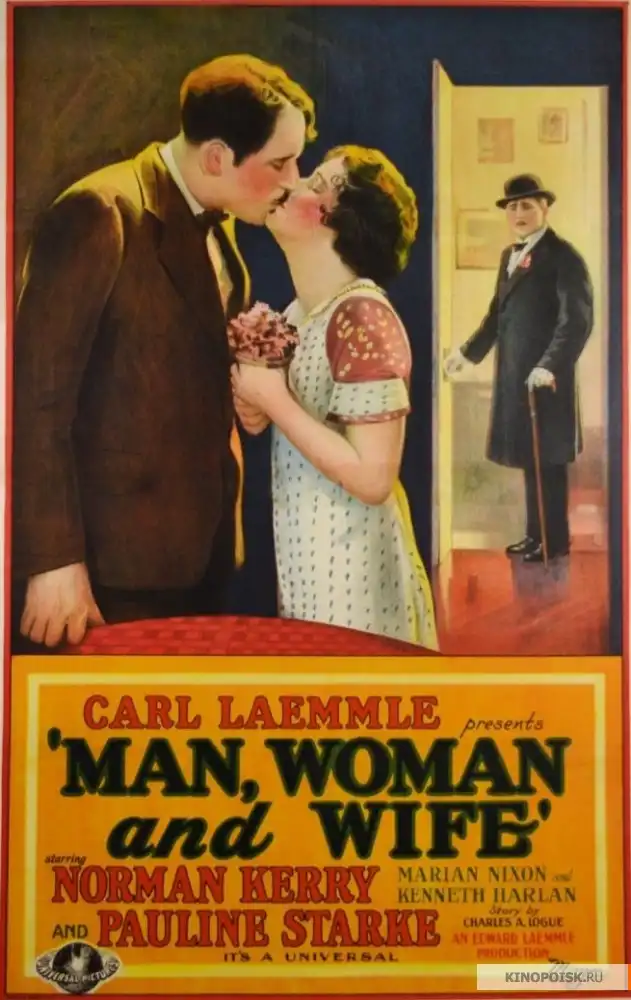
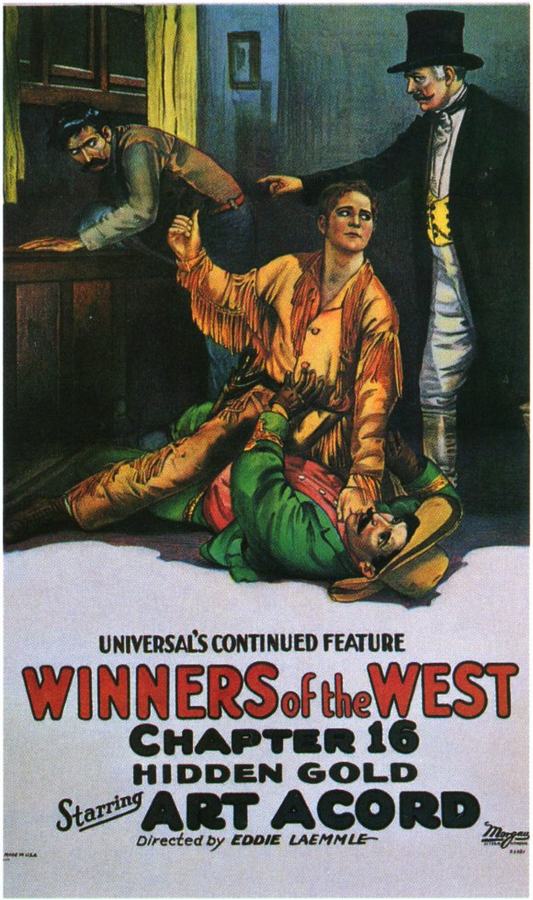
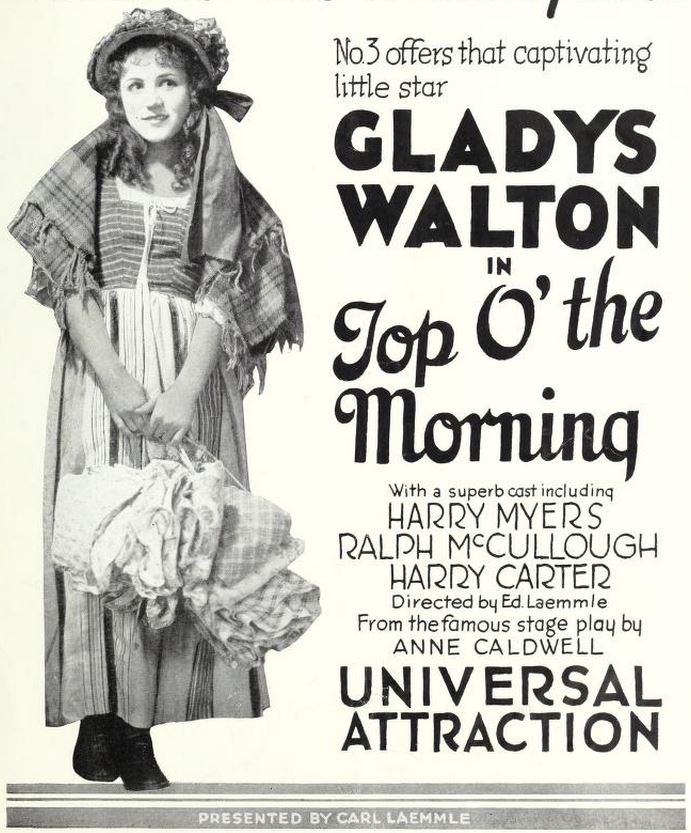
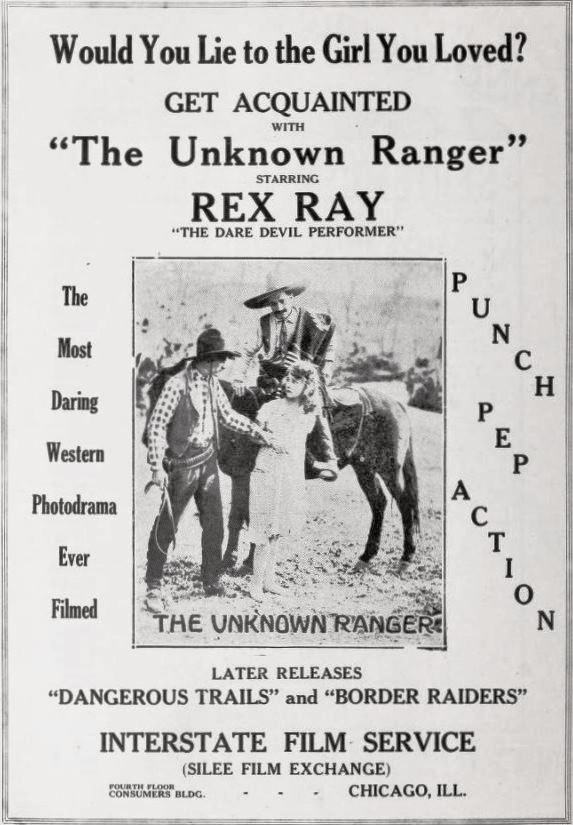
Seeking to follow the minister's advice the hero, when struck, turns his other cheek; the villain takes advantage of this and the hero is acclaimed as a coward. Finally, when the villain taunts the hero by taking the girl to a dance hall and taunting the hero to rescue her, he licks the villain and cleans out the place, regaining the respect of the men and clinching the girl's admiration for him.
George H. Plympton, Fred V. Williams
United States
p{line-height:1.7;margin:0 0 1.2rem 0;text-align:justify;} a{color:#0E7490;text-decoration:none;font-weight:600;} a:hover{text-decoration:underline;color:#EAB308;} blockquote{border-left:4px solid #C2410C;padding-left:1.2rem;margin:2rem 0;font-style:italic;color:#EAB308;font-size:1.1rem;} h2{color:#C2410C;font-size:1...

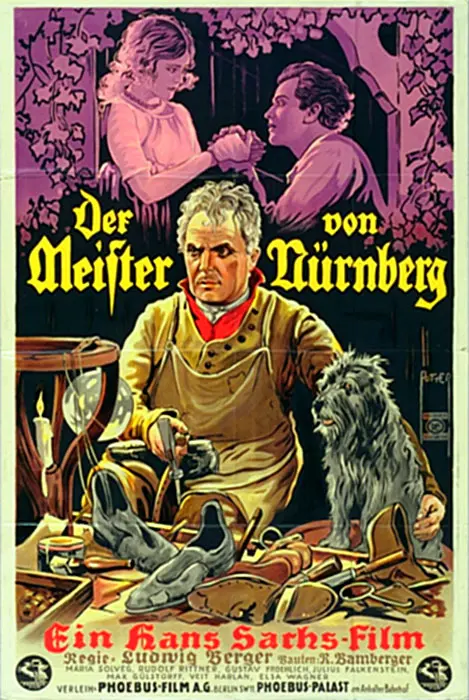
Comparing the cinematic DNA and archive impact of two defining moments in cult history.
Edward Laemmle
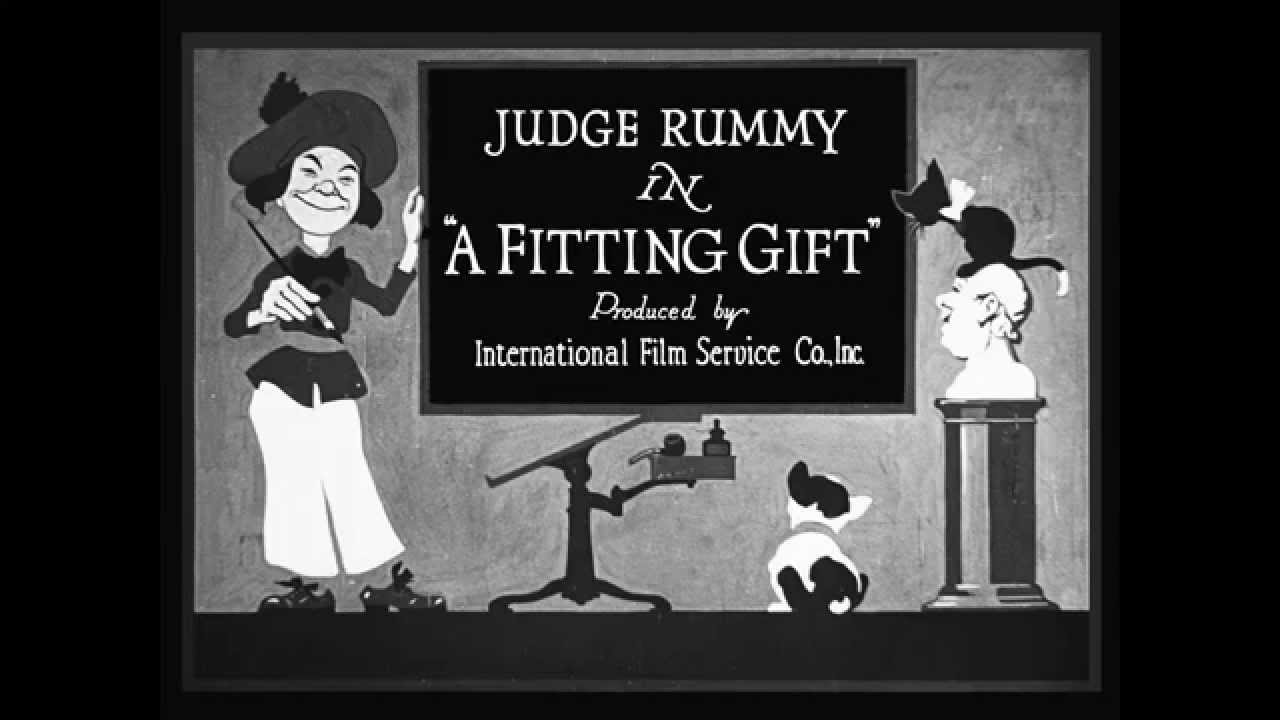
Unknown Director
Community
Log in to comment.
" p{line-height:1.7;margin:0 0 1.2rem 0;text-align:justify;} a{color:#0E7490;text-decoration:none;font-weight:600;} a:hover{text-decoration:underline;color:#EAB308;} blockquote{border-left:4px solid #C2410C;padding-left:1.2rem;margin:2rem 0;font-style:italic;color:#EAB308;font-size:1.1rem;} h2{color:#C2410C;font-size:1.4rem;margin:2.2rem 0 0.8rem 0;letter-spacing:0.5px;} ul{list-style:square;padding-left:1.4rem;margin-bottom:1.5rem;} li{margin-bottom:0.5rem;color:#EAB308;} .highlight-box{backgro..."
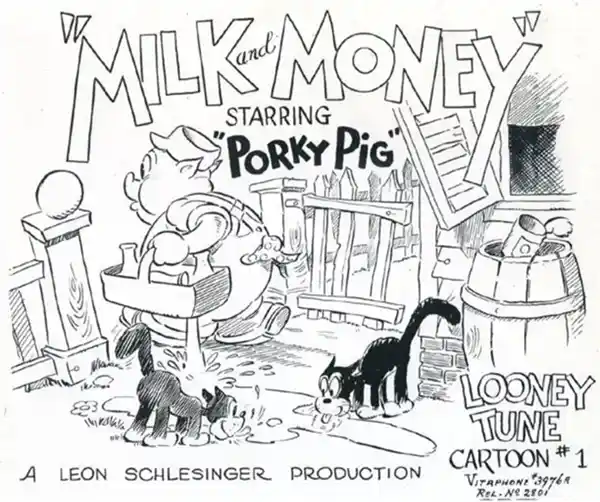
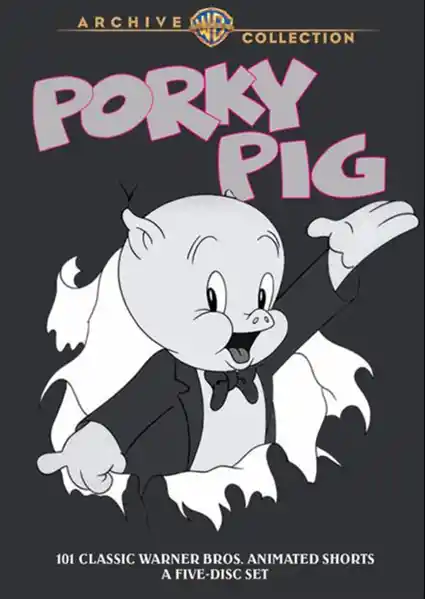
Deep dive into the cult classic
Discover similar cinematic experiences
A Directorial Spotlight on Edward Laemmle