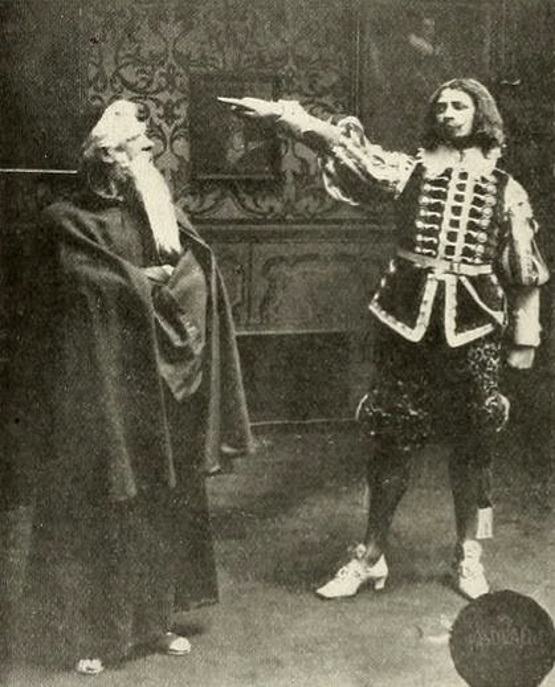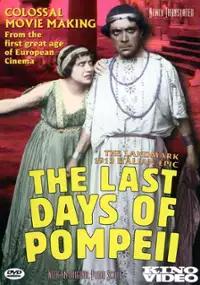
Based on the Edward Bulwer-Lytton novel. Set in the shadows of Mt.
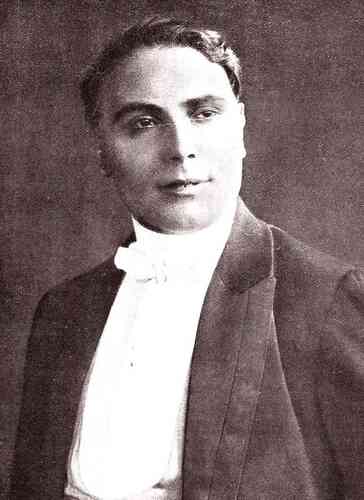
Edward George Bulwer-Lytton
Italy
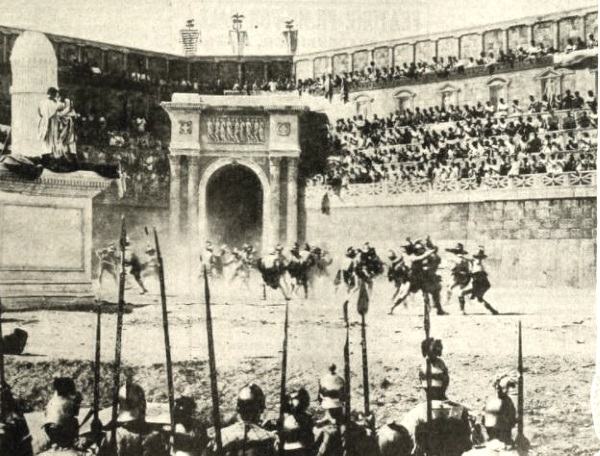
A cathedral of nitrate flames, 1913’s The Last Days of Pompeii arrives like a chariot on fire—axles groaning, horses nostril-flared—bearing the weight of Edward Bulwer-Lytton’s florid Victoriana into the jittery dawn of Italian spectacle cinema. Director Mario Caserini and his uncredited co-pilot Eleuterio Rodolfi do ...
still_frame
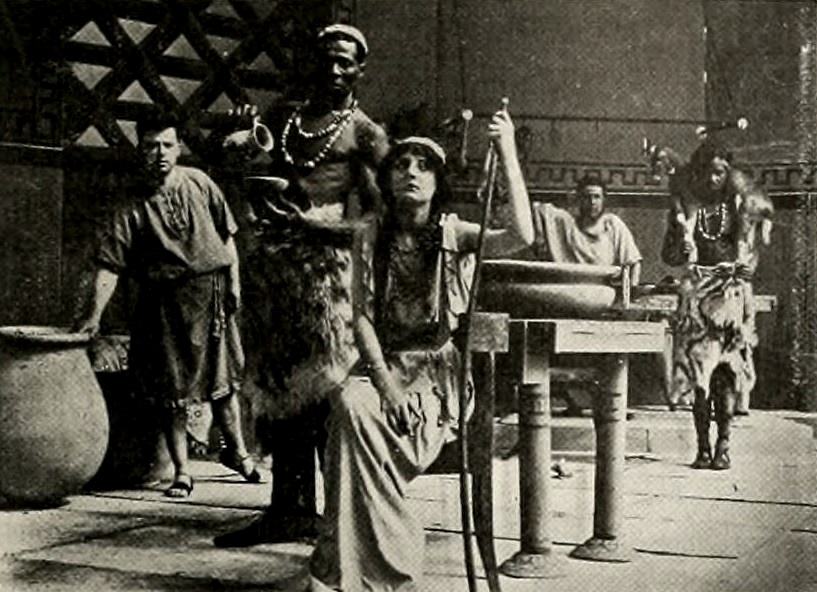
still_frame
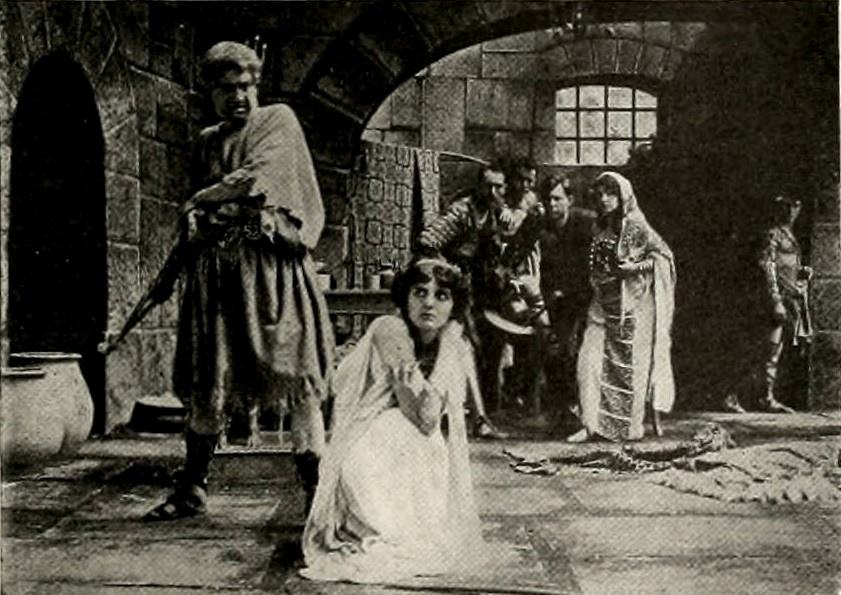
still_frame
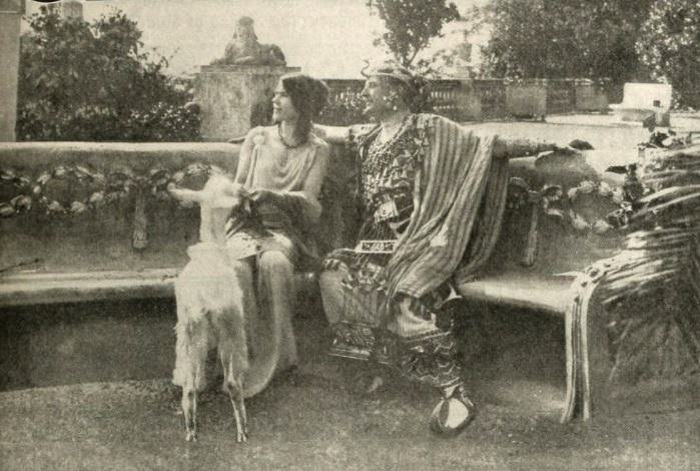
still_frame
Comparing the cinematic DNA and archive impact of two defining moments in cult history.
Ubaldo Maria Del Colle
Ubaldo Maria Del Colle
Community
Log in to comment.
" A cathedral of nitrate flames, 1913’s The Last Days of Pompeii arrives like a chariot on fire—axles groaning, horses nostril-flared—bearing the weight of Edward Bulwer-Lytton’s florid Victoriana into the jittery dawn of Italian spectacle cinema. Director Mario Caserini and his uncredited co-pilot Eleuterio Rodolfi do not merely adapt the novel; they exhume its magma heart, letting globs of melodrama drip between tectonic plates of religious allegory and disaster fetish. Viewed today, the film ..."

Deep dive into the cult classic
Discover similar cinematic experiences
A Directorial Spotlight on Ubaldo Maria Del Colle