DbcultAccessing Vault...
6.6/10
Senior Film Conservator
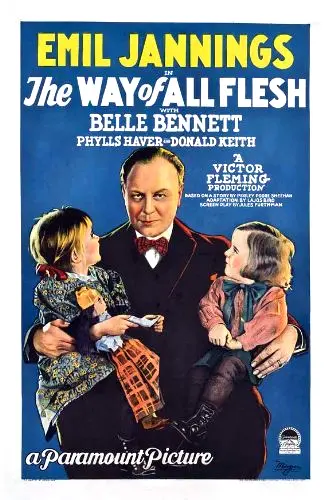
A definitive 6.6/10 rating for a film that redefined the boundaries of cult cinema. The Way of All Flesh remains a cornerstone of transgressive art.
Is The Way of All Flesh worth watching today? Short answer: Yes, but only if you are prepared for a cinematic experience that is more of an emotional endurance test than a night of entertainment. This film is an essential artifact for those who want to witness the birth of the 'prestige drama' as we know it. It is specifically for viewers who appreciate high-stakes character studies and the silent era's unique ability to convey soul-crushing pathos through facial expression alone. It is emphatically not for those who prefer lighthearted escapism or who find the moral rigidity of the 1920s to be too dated for modern consumption.
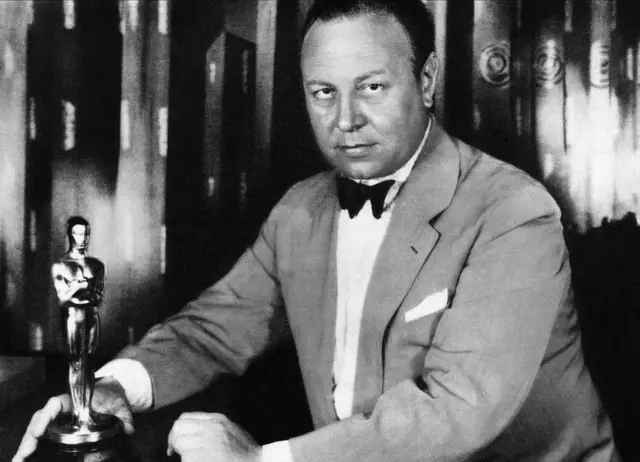
Before diving into the historical significance of this 1927 production, we must address its immediate impact. This film works because it refuses to give the audience an easy out; it commits fully to the destruction of its protagonist. However, it fails because the 'femme fatale' catalyst in the second act feels like a tired trope even by the standards of the late silent era. You should watch it if you want to see the performance that earned Emil Jannings the first-ever Academy Award for Best Actor, a feat of physical transformation that remains staggering.
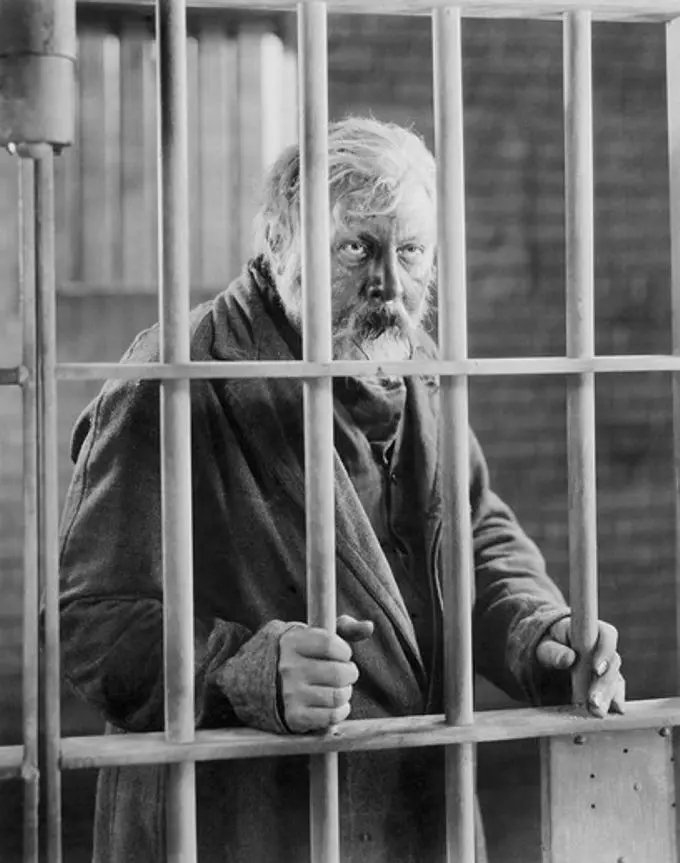
The Way of All Flesh is a brutal exploration of the fragility of the human ego. August Schiller, played with a terrifying level of commitment by Emil Jannings, is a man whose entire identity is built on the sand of social respectability. When he loses that respectability, he doesn't just lose his job; he loses his soul. The writers, including the legendary Jules Furthman, craft a narrative that feels like a trap closing. Every decision Schiller makes, from the first drink in Chicago to the final decision to remain 'dead,' feels both avoidable and inevitable.
Unlike the more whimsical or adventurous tones found in films like The Daffy Dill or The Pace That Thrills, this film is grounded in a heavy, almost suffocating realism. The contrast between the warm, soft-lit scenes of Schiller’s home life in Milwaukee and the harsh, shadow-drenched alleys of his later life is a masterclass in visual storytelling. The cinematography doesn't just show us his decline; it makes us feel the cold of the snow and the weight of his tattered coat.
It is impossible to discuss this film without focusing on Jannings. Modern audiences often find silent acting to be 'over the top,' but Jannings operates on a different frequency. He uses his entire body to signal his status. In the beginning, his chest is puffed out, his beard is perfectly groomed, and his movements are deliberate. By the end, he has shrunk. He occupies less space. His eyes, once bright with the pride of a provider, become hollow pits of regret. It works. But it’s flawed.
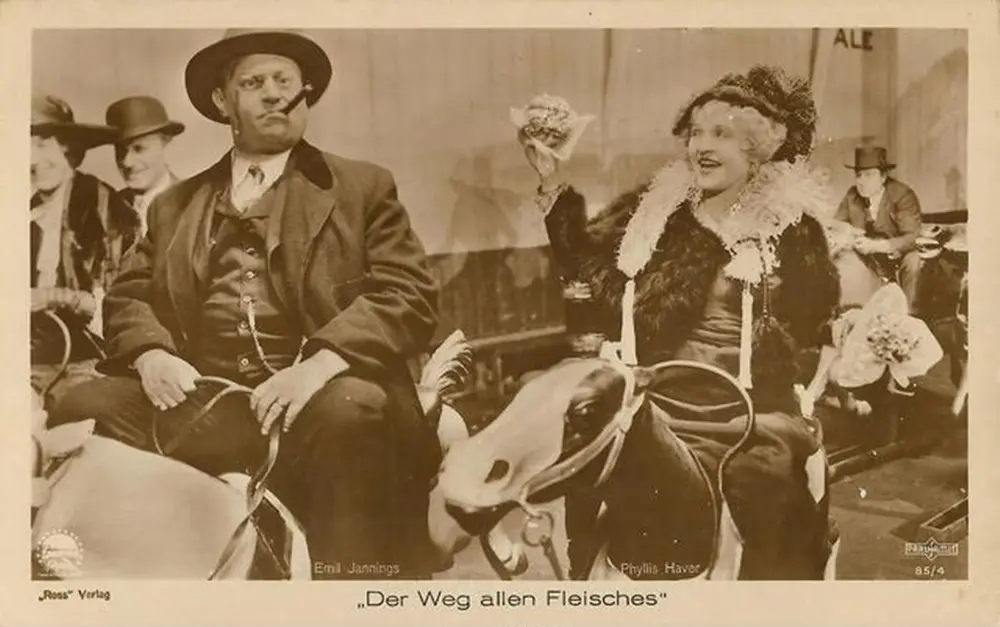
The flaw lies in the middle act. The seduction sequence with Phyllis Haver, while technically well-executed, feels like it belongs in a different, lesser movie. It’s a bit of a cliché that a 'good man' is undone by a 'bad woman,' and the film doesn't do much to subvert that. While The Tigress might lean into such tropes with more genre-specific flair, here it feels like a momentary lapse in the film’s otherwise sophisticated psychological armor.
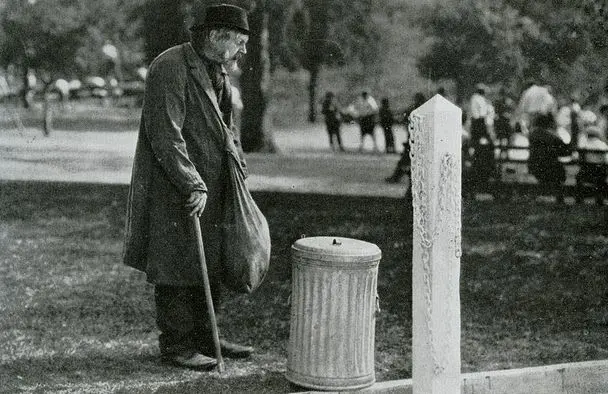
If you are a fan of film history, the answer is a resounding yes. This is a foundational text. It shows how the 1920s viewed masculinity, fatherhood, and the consequences of sin. While some films of the era, like Lazybones, offer a more nostalgic or gentle view of the past, The Way of All Flesh is a cold splash of water. It is a reminder that the 'good old days' were often defined by a crushing social pressure to remain perfect, where one mistake meant total erasure.
For the casual viewer, the pacing might be a hurdle. Silent films require a different kind of attention, and this one is a slow burn. But the payoff in the final ten minutes is among the most heartbreaking in cinema history. The scene where Schiller stands outside his own home during Christmas, watching his son—now a successful musician—play a piece of music dedicated to his 'dead' father, is enough to move even the most cynical modern viewer to tears. It is a moment of pure, unadulterated melodrama that works because the preceding two hours earned it.
The script, touched by the likes of Lajos Biró and Frederica Sagor Maas, is a fascinating hybrid of European cynicism and American sentimentality. You can see the roots of what would become film noir in the way the Chicago underworld is depicted. It’s a predatory space, a sharp contrast to the domestic safety of the first act. This isn't the lighthearted mischief of Misfits and Matrimony; this is a world that eats people alive.
The writers also make a bold choice in the ending. Most films of the era would have found a way to reunite the family, to offer a moment of forgiveness. But The Way of All Flesh chooses a more difficult path. It suggests that some things, once broken, cannot be mended. This honesty is what keeps the film relevant. It doesn't lie to you. It tells you that the world is harsh and that identity is a fragile thing that can be stolen in a single night.
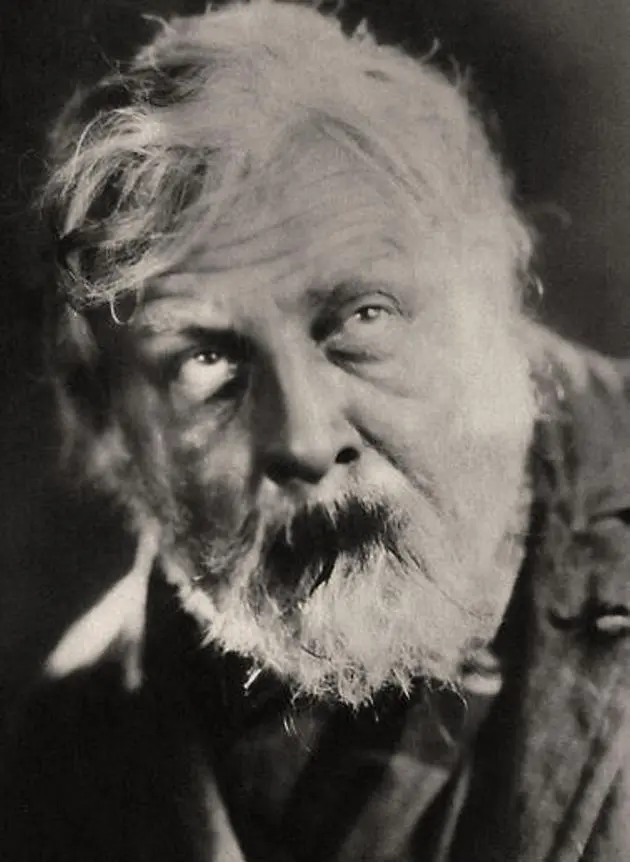
The direction (often attributed to Victor Fleming, though the production had many hands) is remarkably efficient. There is a specific moment where Schiller looks in a mirror after his 'death' and doesn't recognize himself. The lighting here is stark, cutting his face in half with shadows. It’s a visual representation of his fractured psyche. This kind of technical precision is what separated the major studio productions from the cheaper fare like Postage Due.
The tone is remarkably consistent. From the moment Schiller steps onto the train to Chicago, there is a sense of impending doom. The film uses recurring motifs—the ticking of a clock, the grooming of his beard, the exchange of money—to emphasize the passage of time and the loss of control. It’s a suffocating experience, but a necessary one for the story they are telling.
Pros:
1. A legendary, Oscar-winning performance by Emil Jannings.
2. Deeply moving final act that avoids easy clichés.
3. Exceptional visual storytelling that remains clear and impactful.
4. A brave, uncompromising look at social shame and identity loss.
Cons:
1. Some supporting characters feel like caricatures.
2. The moralizing tone can feel heavy-handed to modern sensibilities.
3. The second act relies on a somewhat dated 'fallen man' trope.
The Way of All Flesh is a monumental piece of cinema that deserves its place in the history books. While it may not have the experimental energy of Open Your Eyes or the frantic pacing of Look Out Below, it possesses a gravitational pull that is rare. It is a film that demands you sit with the discomfort of a life destroyed. It is a tragedy in the truest sense of the word—not because of bad luck, but because of a human flaw that meets a cruel world. If you can handle the heartbreak, it is a journey well worth taking. It is a reminder that we are all just one bad night away from becoming a stranger to ourselves.
IMDb 3
1906
Community
Log in to comment.