Summary
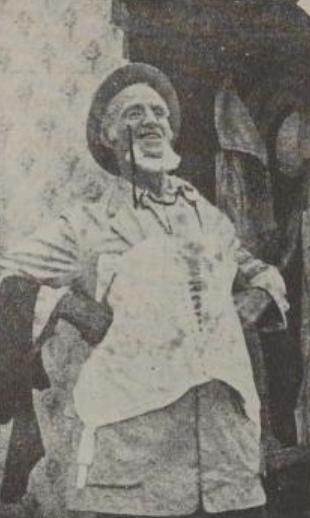
Inside a sepia-tinted parlor that smells of coal-dust and lilac, a traveling daguerreotypist—half huckster, half shaman—arrives to immortalize the world-weary visage of a patriarch whose only creed is thrift. The old man’s offspring, a giddy bouquet of flappers and dandies, conspire to smuggle mirth into the frame: a rubber chicken tucked behind the drapery, a whoopee cushion inflated beneath the velvet settee, a monocle daubed with lamp-black. What follows is a slow-motion avalanche of propriety dismantled by slapstick: the camera’s flash-pan erupts like Vesuvius, the patriarch’s beard ignites, and the resulting portrait reveals not the austere paterfamilias but a gibbering phantasm whose mouth is frozen in a rictus of scandalized delight. From this single mischievous exposure springs a domino run of social ruptures—mortgages foreclosed, engagements broken, a spinster aunt eloping with the iceman—until the household’s gilt mirrors crack and the wallpaper peels in spirals resembling the double helix of original sin. Yet amid the rubble, the daguerreotype itself achieves a transfiguration: the patriarch’s grimace softens into the first authentic smile of his life, a lunar epiphany that reframes every scowl that preceded it. The film ends on a traveling shot that glides past the family’s now-abandoned mansion toward a riverbank where the children launch the incriminating photograph like a paper lantern; the image drifts downstream, swelling into a full-frame halo of sepia light that swallows the screen—a visual haiku declaring that the only legacy worth bequeathing is the trembling moment when dignity topples and laughter rushes in like wild water through a broken dam.
Review Excerpt
"
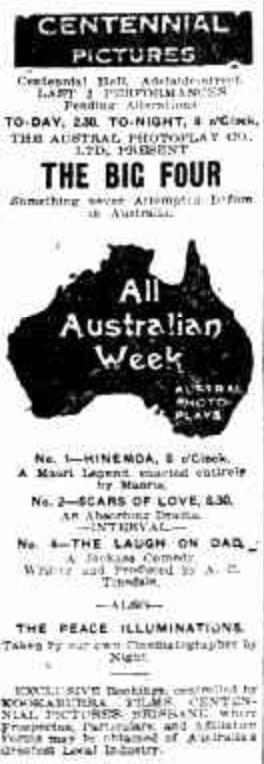
The Laugh on Dad arrives like a contraband firecracker smuggled inside a family Bible: once it pops, the sooty residue of Victorian respectability clings to every surface, impossible to launder. Director A.C. Tinsdale, better known for moralizing two-reelers, here weaponizes a single static tableau—the stiff bourgeois portrait—and detonates it with the patience of a watchmaker laying springs. The result feels closer to the anarchic spasms of Buñuel than to the tidy matrimonial farces Tinsdale u..."