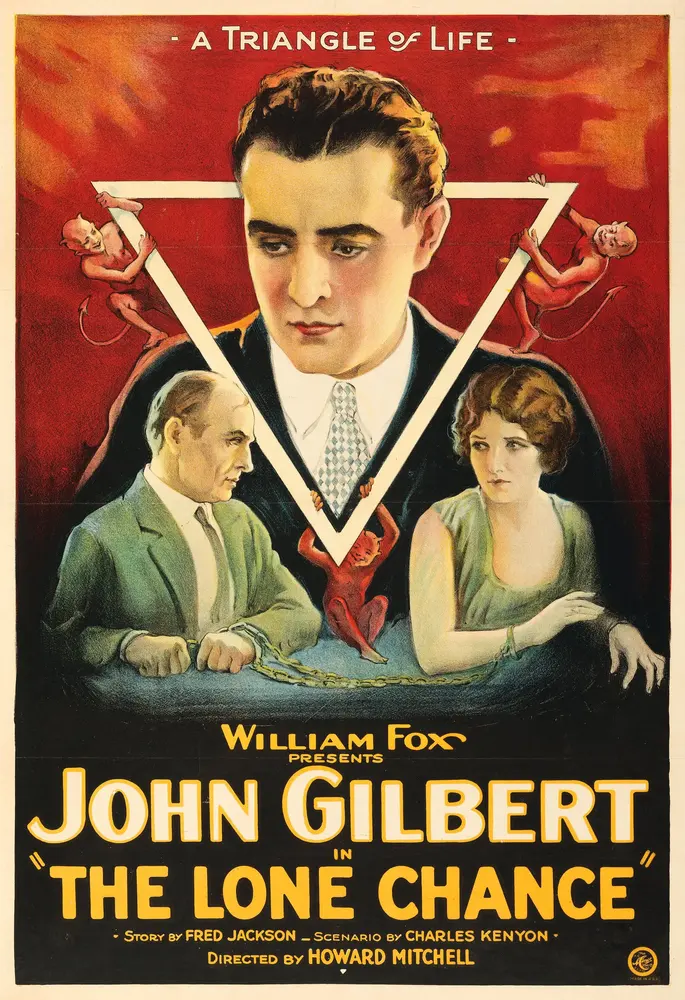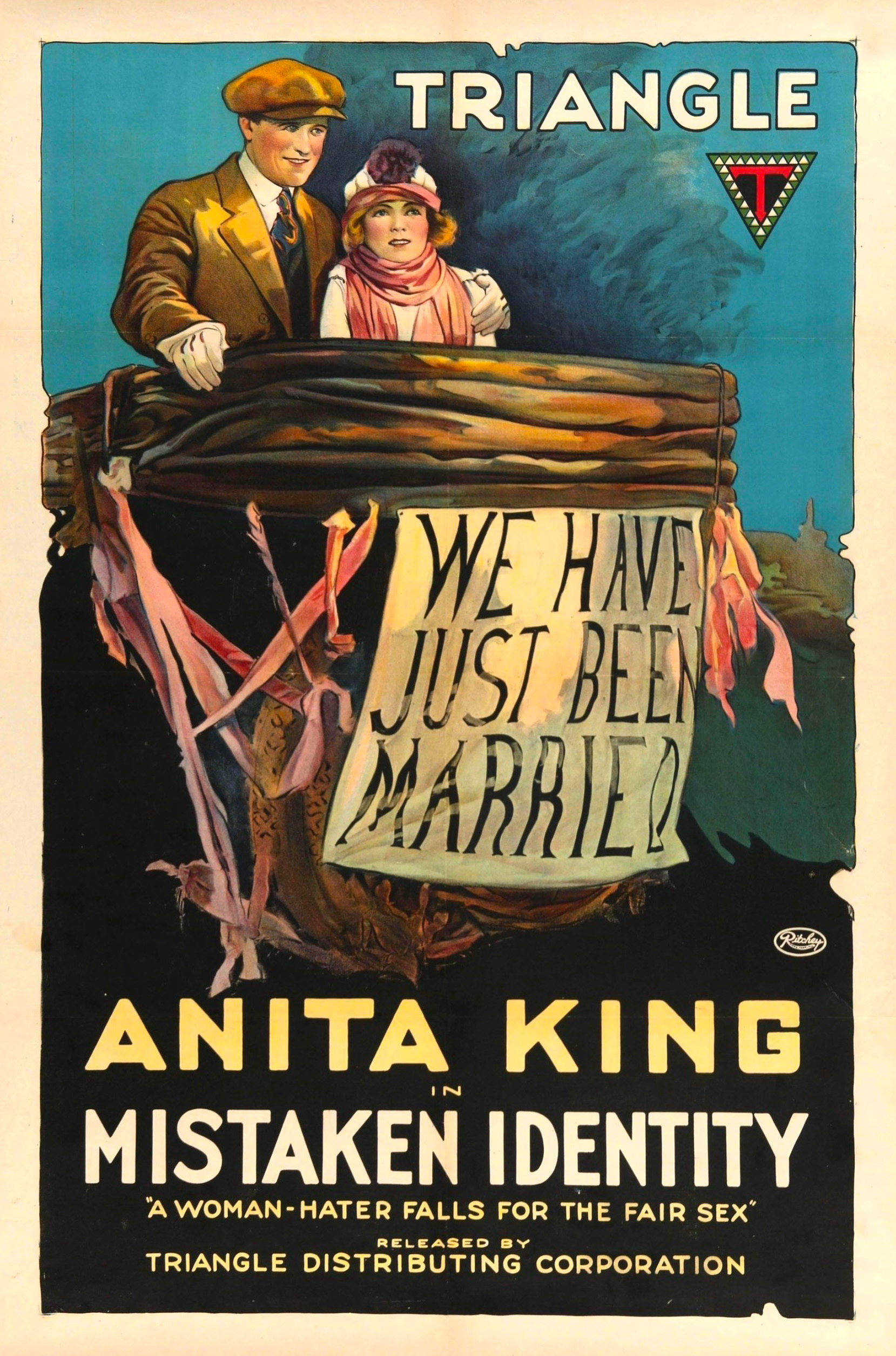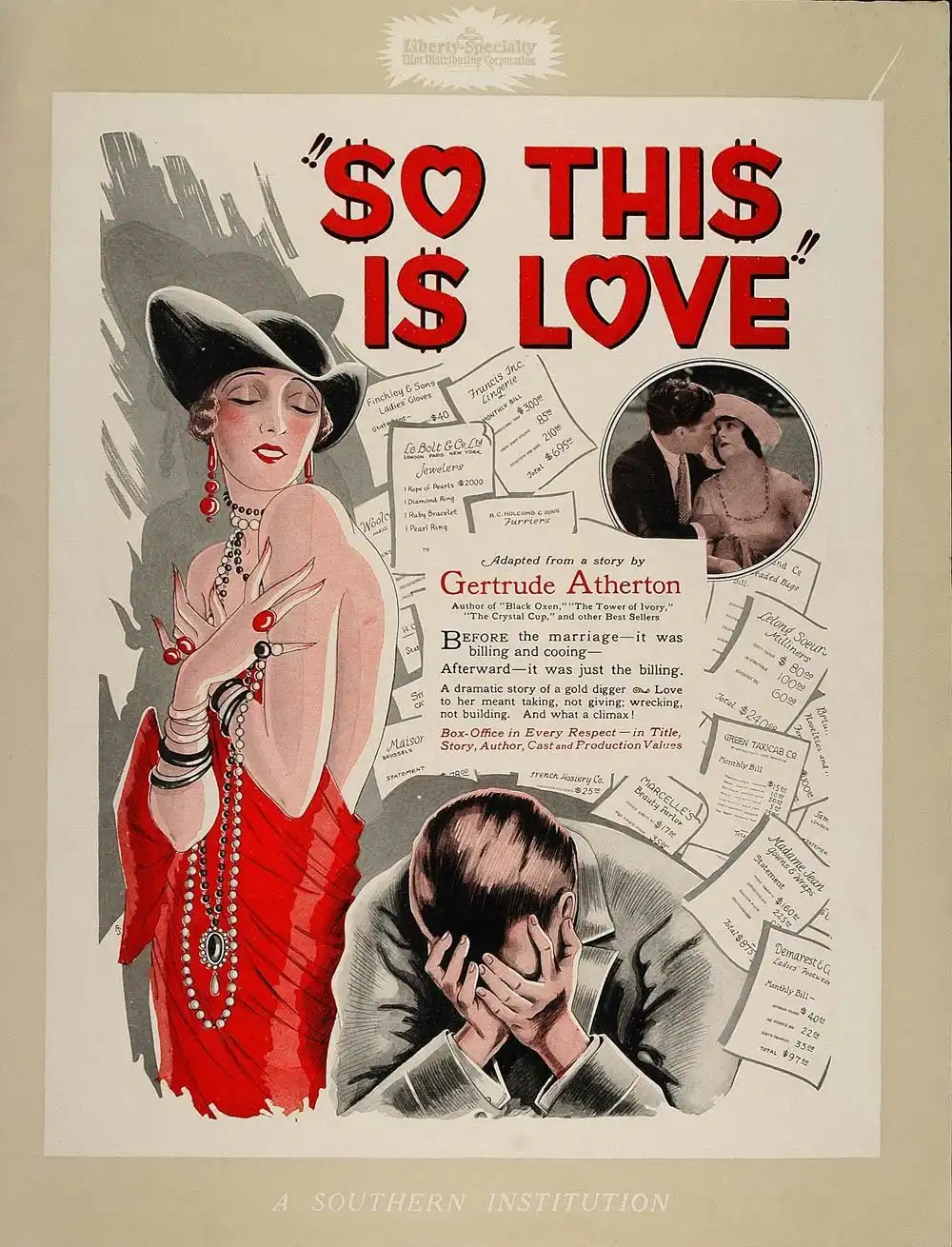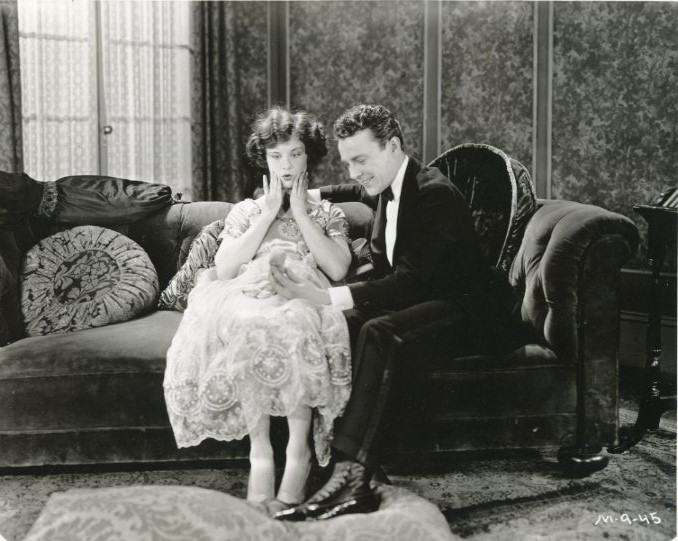
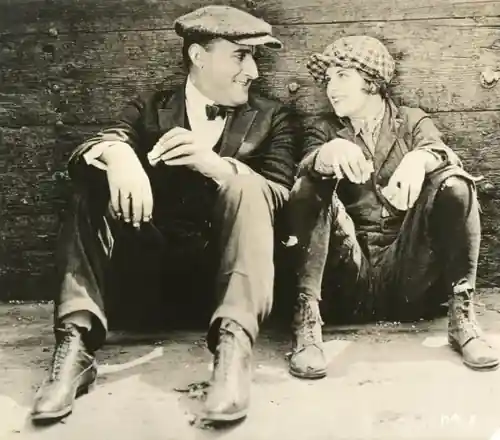
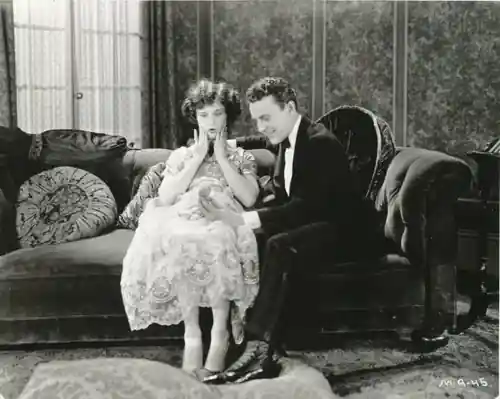
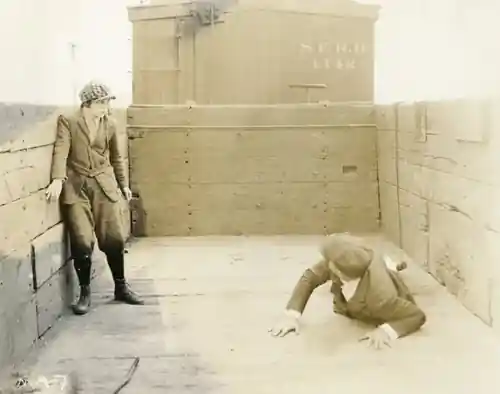
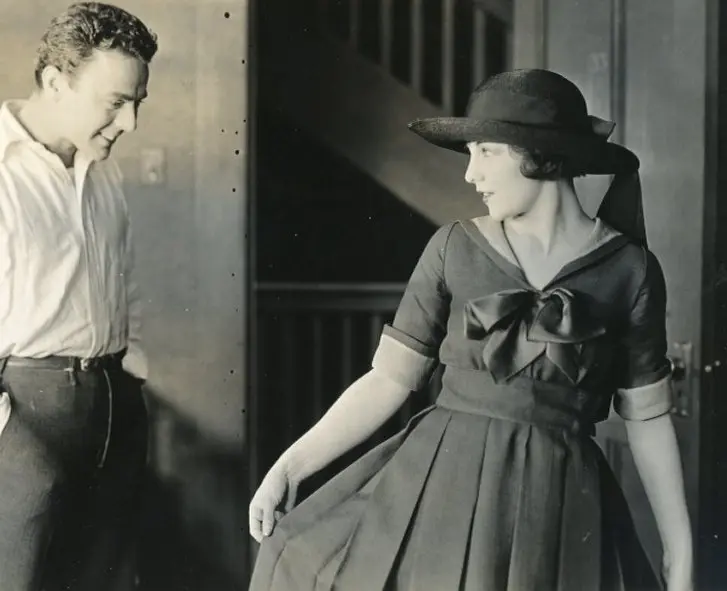
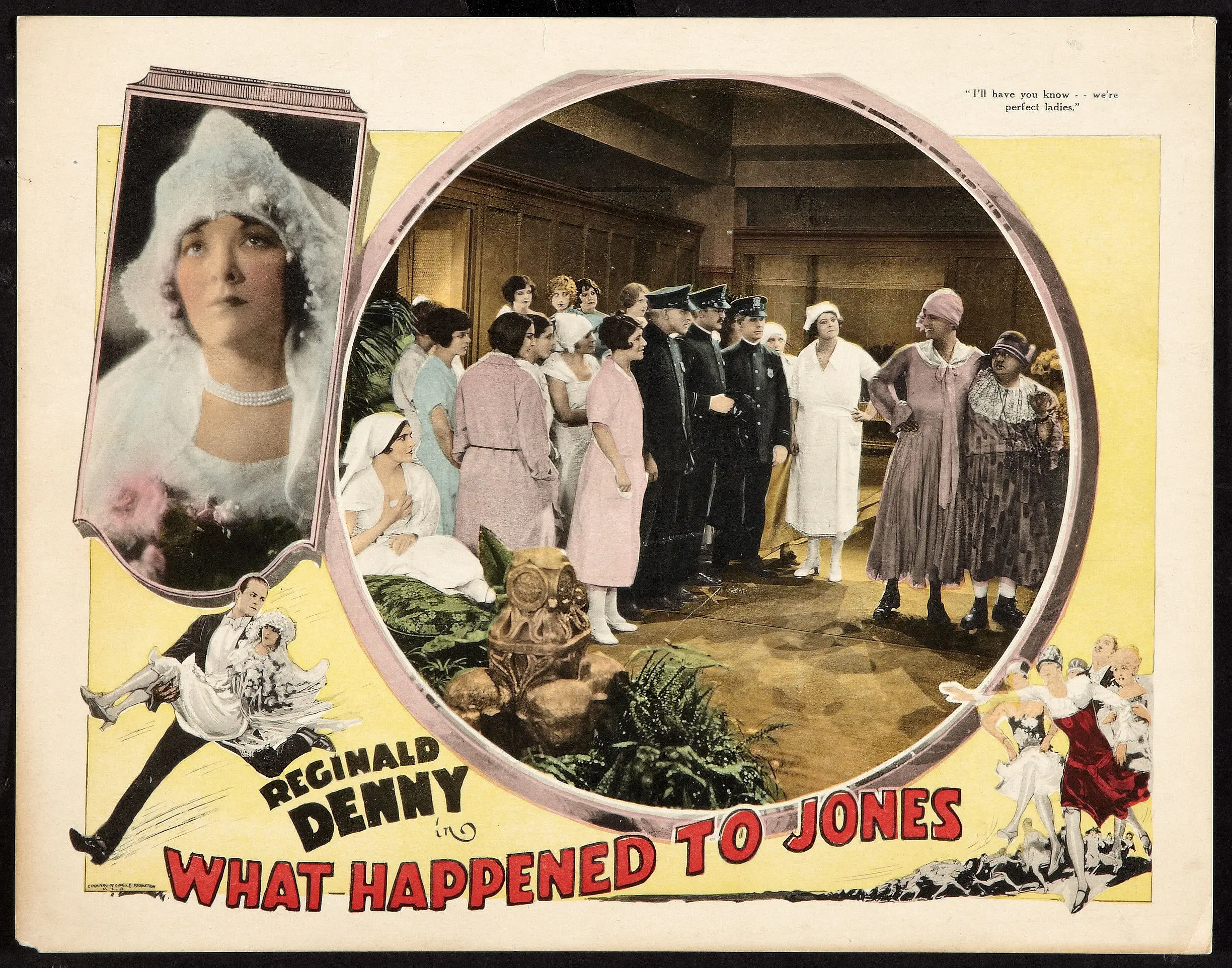
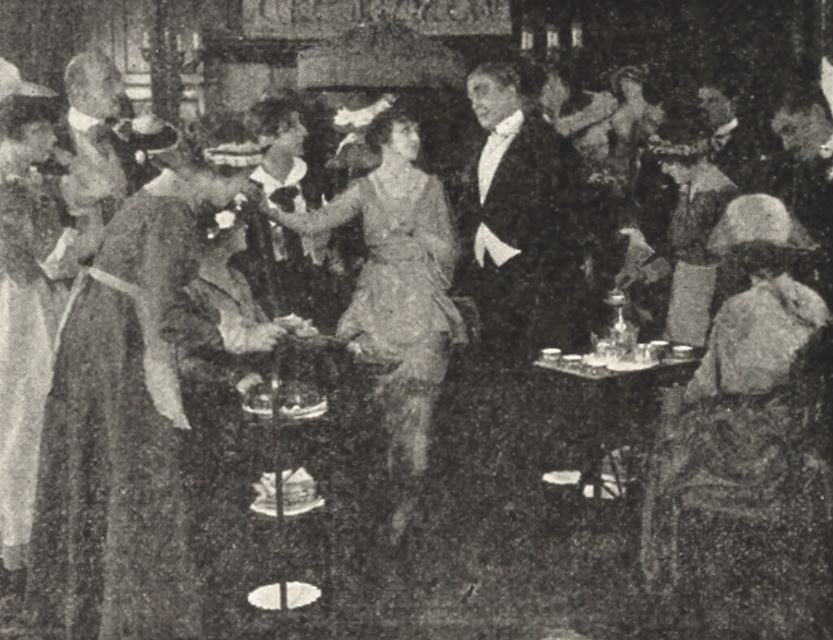
Larry Hart criticizes his father, a newspaper publisher, for exploiting the plight of the poor to sensationalize the news, and to prove his point, Larry decides to reform an unfortunate slum dweller. While in the slums, Larry meets Jenny Carson, a waif dressed in boys' clothing, and finds her a job as a waitress.
p,li{line-height:1.7;margin:0 0 1rem 0} a{color:#EAB308;text-decoration:none} a:hover{color:#C2410C} blockquote{border-left:4px solid #0E7490;padding-left:1rem;margin:1.5rem 0;font-style:italic} Picture, if you can, a newsroom lit by sputtering gas-jets, the air thick with ink, ambition, and the metallic sc...
still_frame
still_frame
still_frame
still_frame
Comparing the cinematic DNA and archive impact of two defining moments in cult history.
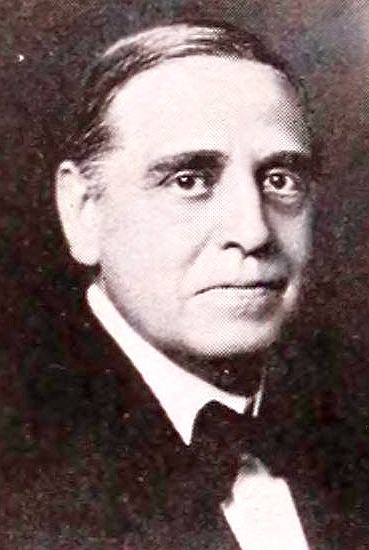
Howard M. Mitchell
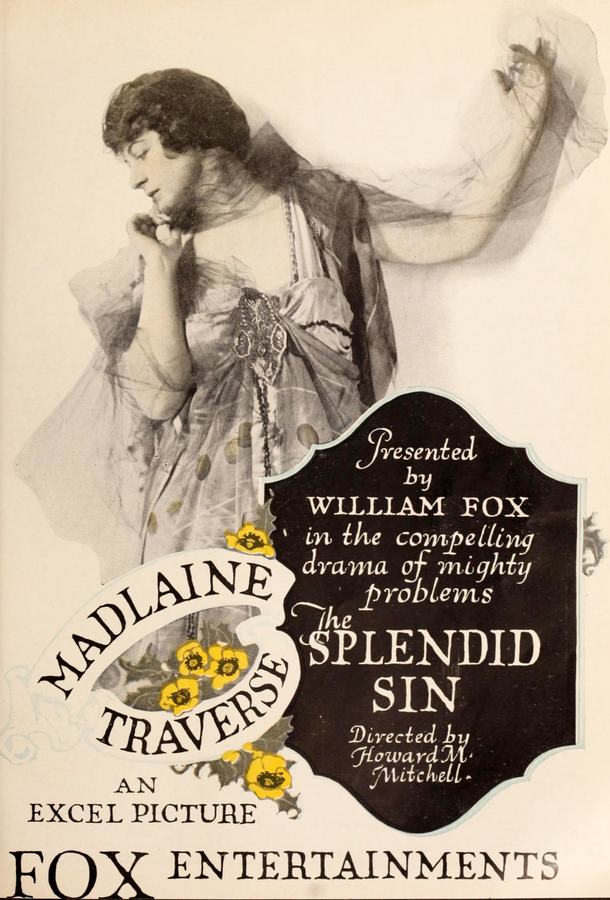
Howard M. Mitchell
Community
Log in to comment.
" p,li{line-height:1.7;margin:0 0 1rem 0} a{color:#EAB308;text-decoration:none} a:hover{color:#C2410C} blockquote{border-left:4px solid #0E7490;padding-left:1rem;margin:1.5rem 0;font-style:italic} Picture, if you can, a newsroom lit by sputtering gas-jets, the air thick with ink, ambition, and the metallic scrape of typewriter keys. In this cathedral of clamor, Larry Hart—looking every inch the Jazz-Age messiah in a three-piece suit—denounces the family trade: the commodification of hu..."

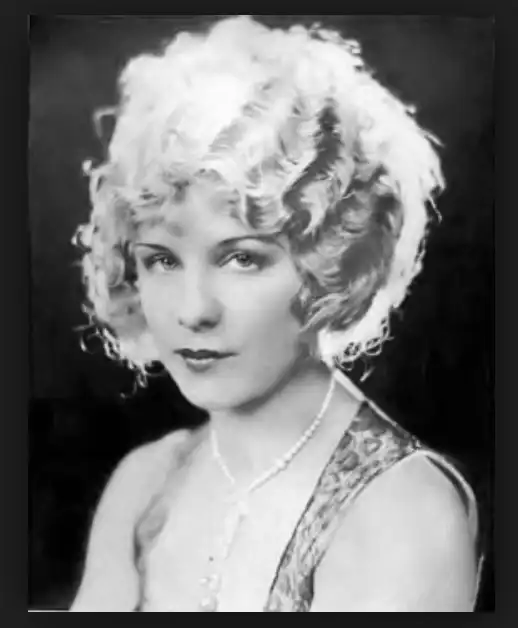
Alice Wilson
Denison Clift
United States
Deep dive into the cult classic
Discover similar cinematic experiences
A Directorial Spotlight on Howard M. Mitchell