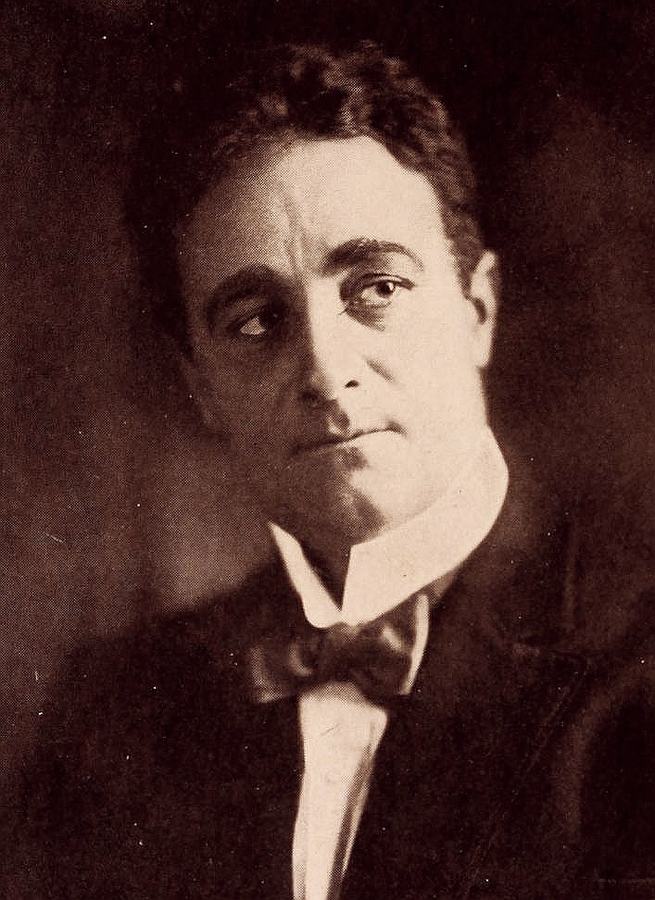
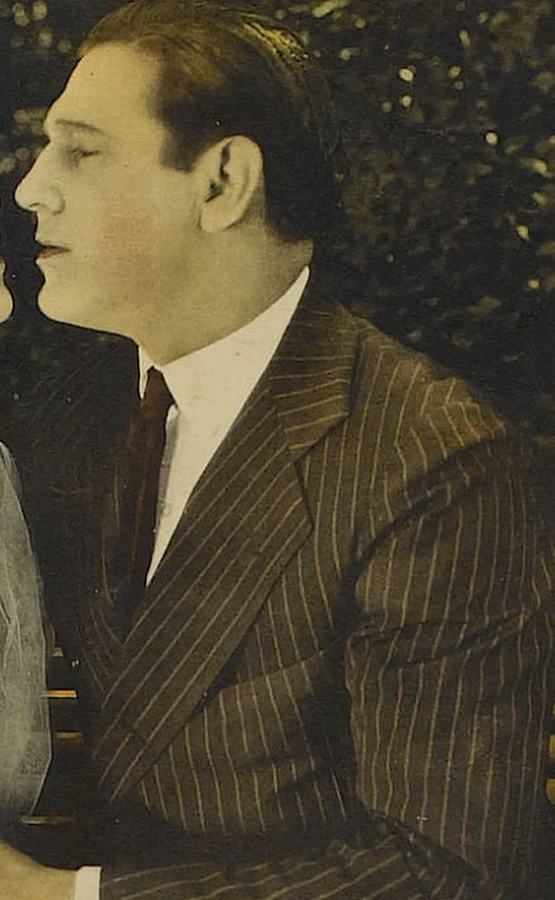
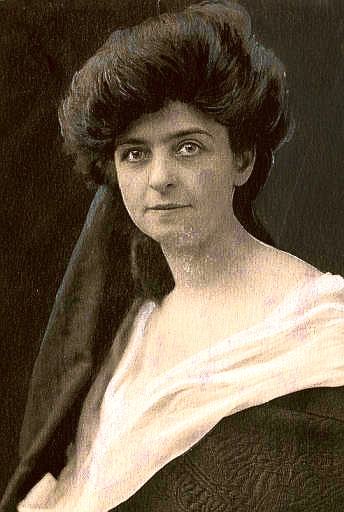
Grace Danton's father loses his best driver and is in danger of losing money he needs to erase debts. Grace's sweetheart, Jack Grant, agrees to drive in the race if Danton does not prosecute his brother, who has stolen money from Danton.
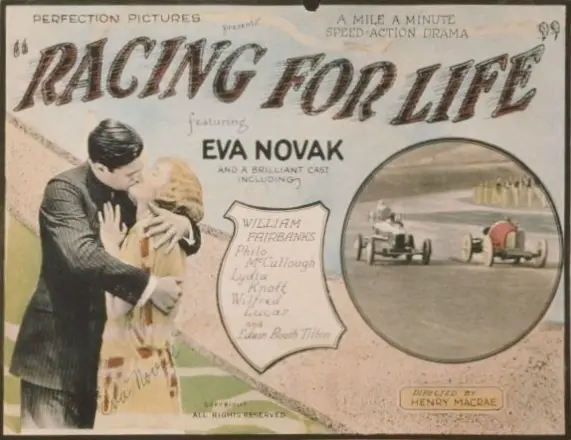
There is something inherently visceral about the way silent-era cinema approached the concept of speed. Long before CGI could manufacture the illusion of momentum, directors like Wilfred Lucas had to rely on the raw, clattering reality of steel and dust. In Racing for Life, we aren't just watching a story about a car...
Comparing the cinematic DNA and archive impact of two defining moments in cult history.
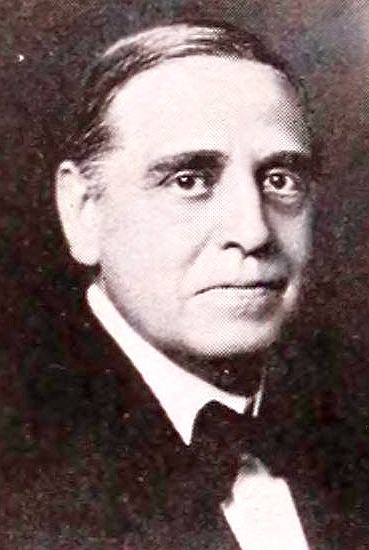
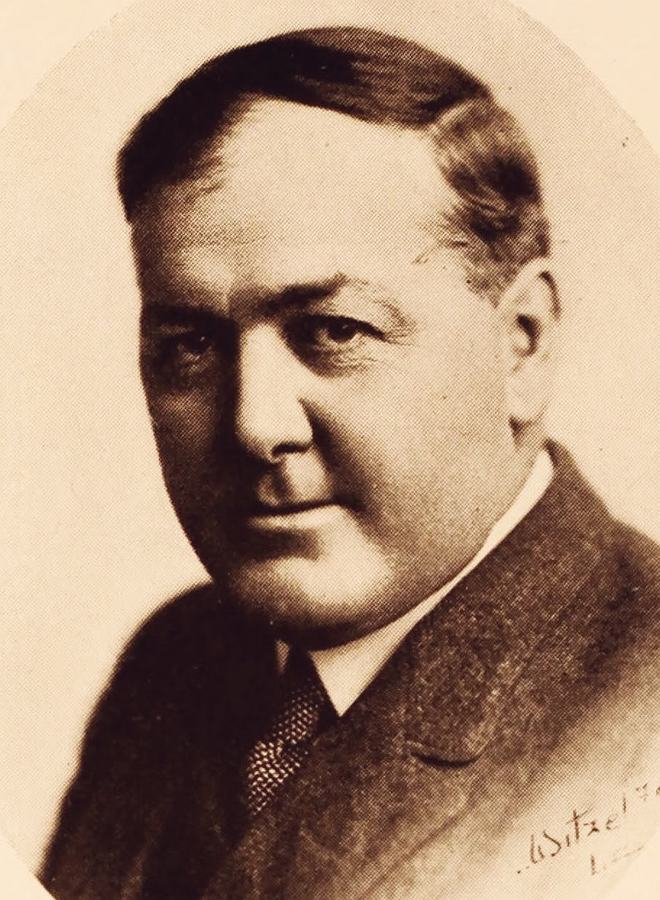
Henry MacRae
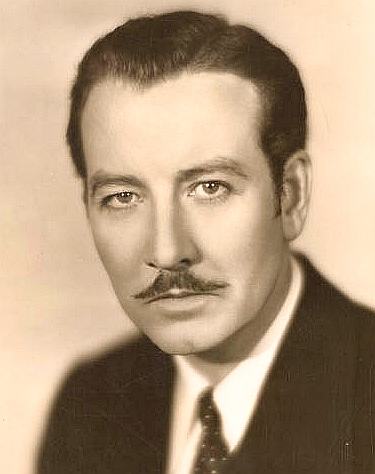
Wilfred Lucas
Community
Log in to comment.
" There is something inherently visceral about the way silent-era cinema approached the concept of speed. Long before CGI could manufacture the illusion of momentum, directors like Wilfred Lucas had to rely on the raw, clattering reality of steel and dust. In Racing for Life, we aren't just watching a story about a car race; we are witnessing a desperate scramble for dignity in an age where the machine was beginning to outpace the man. The film operates as a fascinating intersection between the ..."
Wilfred Lucas
United States
Deep dive into the cult classic
Discover similar cinematic experiences
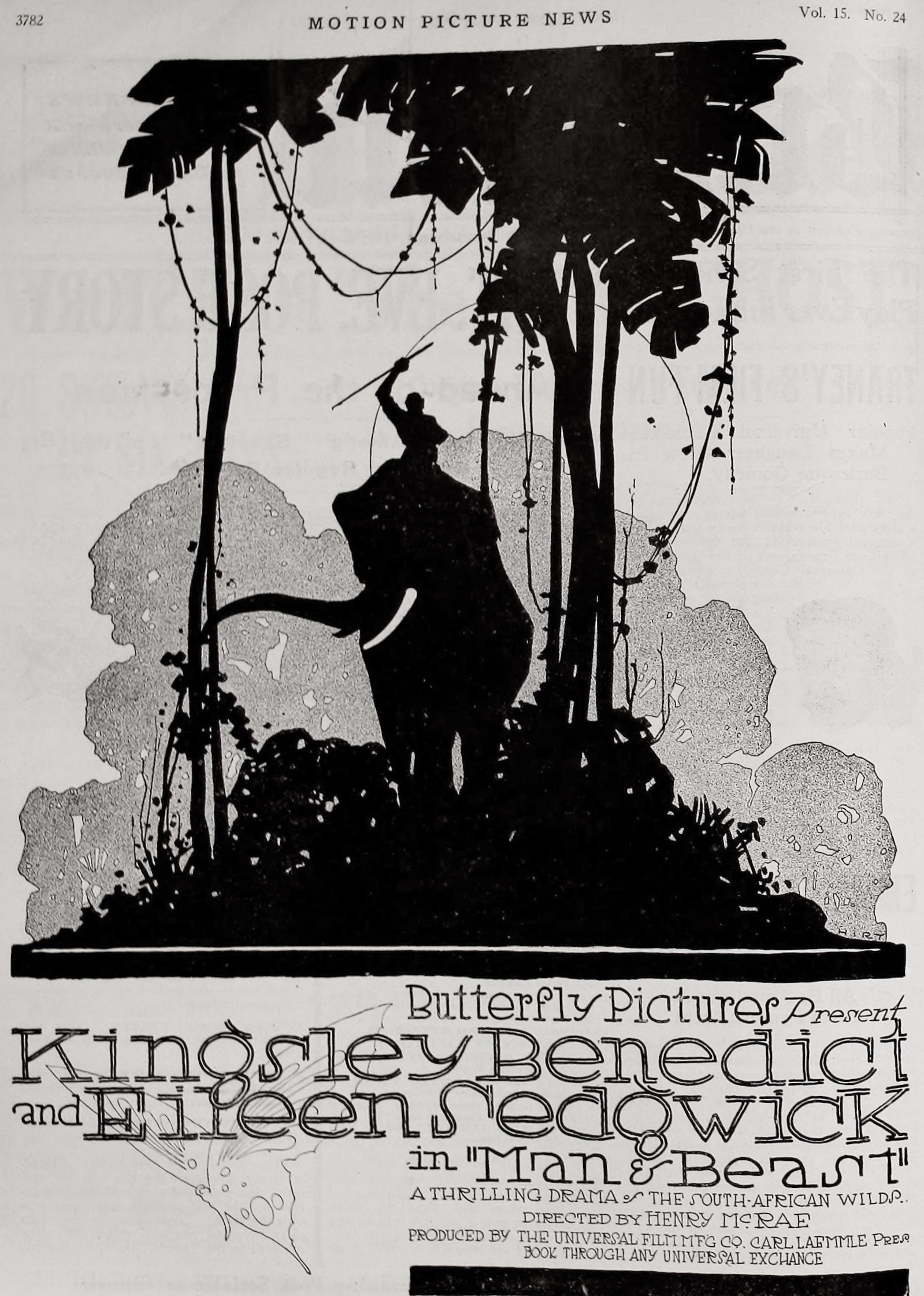
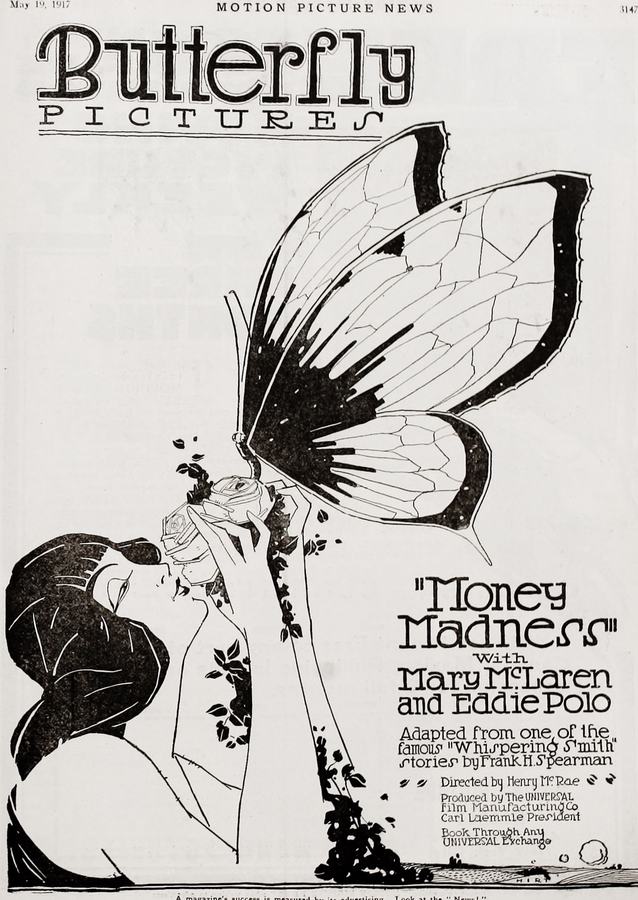
A Directorial Spotlight on Henry MacRae