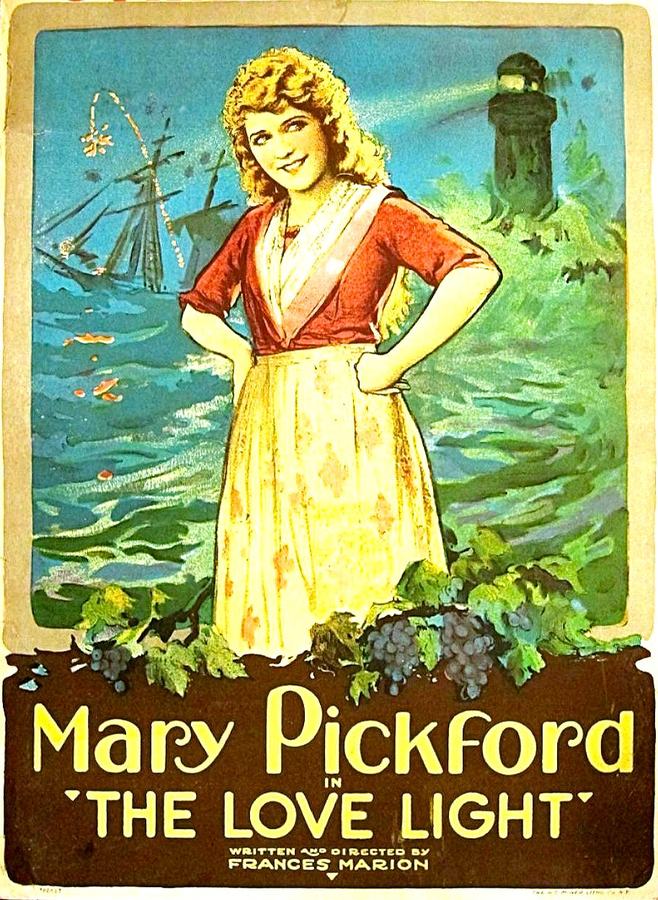
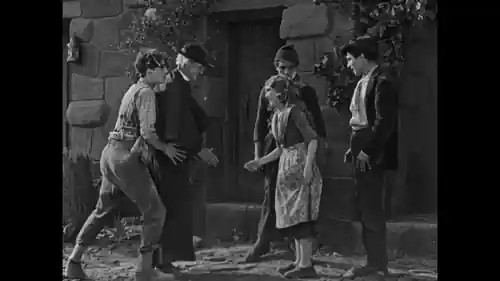
Angela (Mary Pickford) maintains a coastal lighthouse in Italy, where she awaits the return of her brothers from the war. She learns they are casualties and takes solace in the arms of an American sailor washed ashore.

p,ul,li{margin-bottom:1.1em;line-height:1.7;} a{color:#EAB308;text-decoration:none;border-bottom:1px dotted #EAB308;} a:hover{color:#C2410C;border-color:#C2410C;} blockquote{border-left:4px solid #0E7490;padding-left:1.2rem;margin:1.5rem 0;font-style:italic;color:#aaa;} h2{color:#C2410C;margin-top:2.2rem;font-weight:...
still_frame
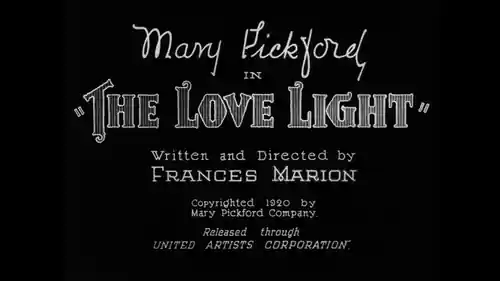
still_frame
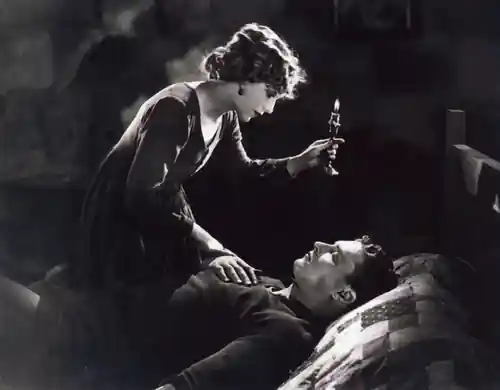
still_frame
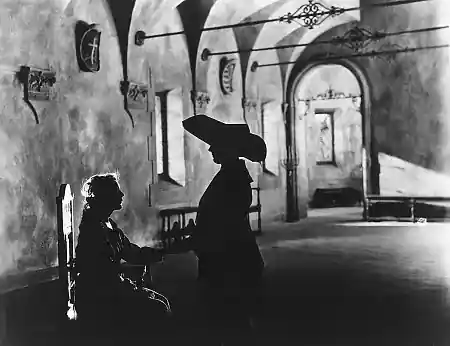
still_frame
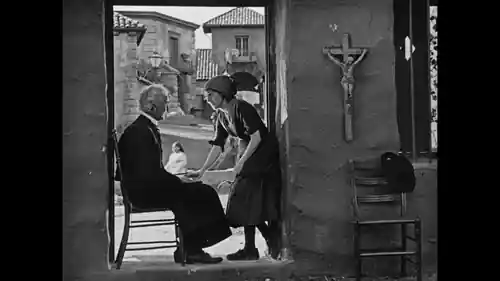
still_frame
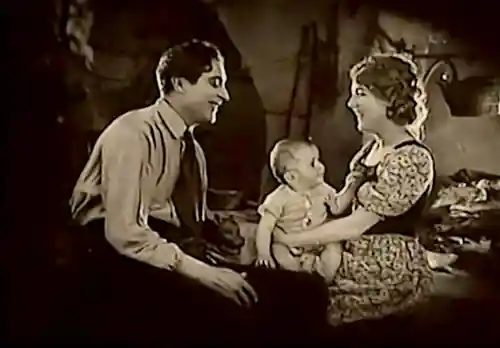
still_frame
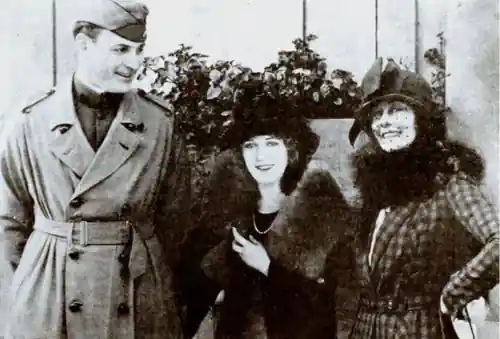
behind_the_scenes
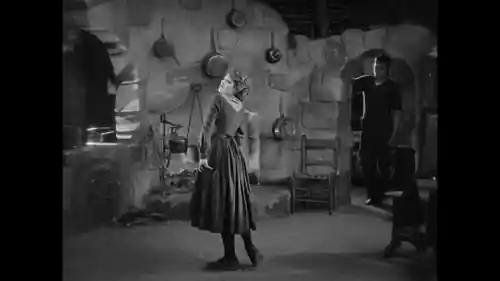
still_frame

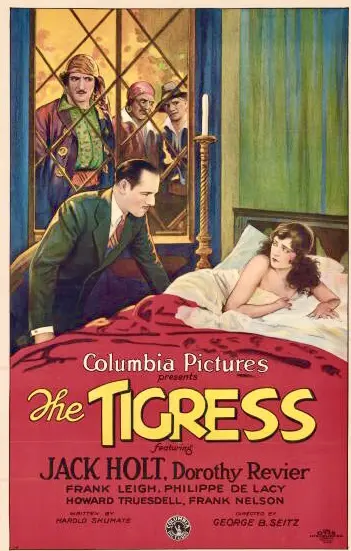
Comparing the cinematic DNA and archive impact of two defining moments in cult history.
Frances Marion

William Parke
Community
Log in to comment.
" p,ul,li{margin-bottom:1.1em;line-height:1.7;} a{color:#EAB308;text-decoration:none;border-bottom:1px dotted #EAB308;} a:hover{color:#C2410C;border-color:#C2410C;} blockquote{border-left:4px solid #0E7490;padding-left:1.2rem;margin:1.5rem 0;font-style:italic;color:#aaa;} h2{color:#C2410C;margin-top:2.2rem;font-weight:600;font-size:1.4rem;} h3{color:#EAB308;margin-top:1.8rem;font-weight:500;font-size:1.2rem;} strong{color:#0E7490;} Stormlight, lantern-grease, and the iodine sting of kelp: thes..."
Frances Marion
United States
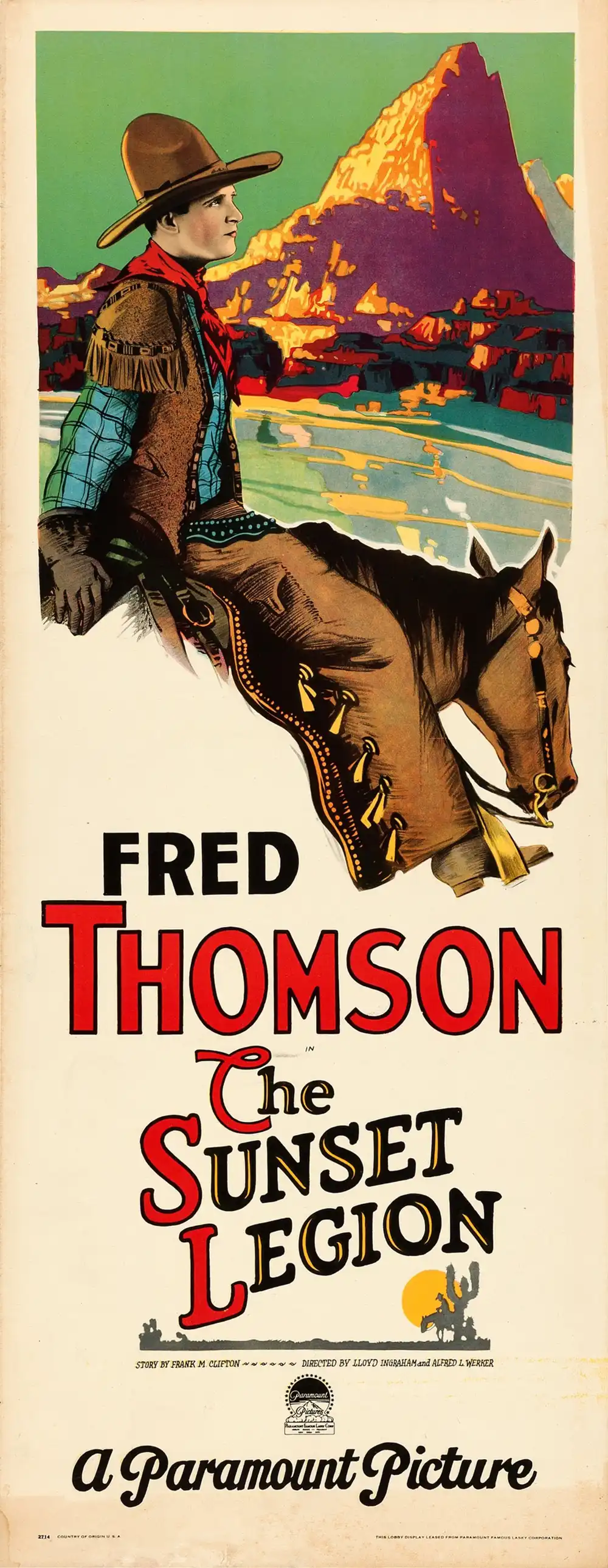
1928 · IMDb 5.5