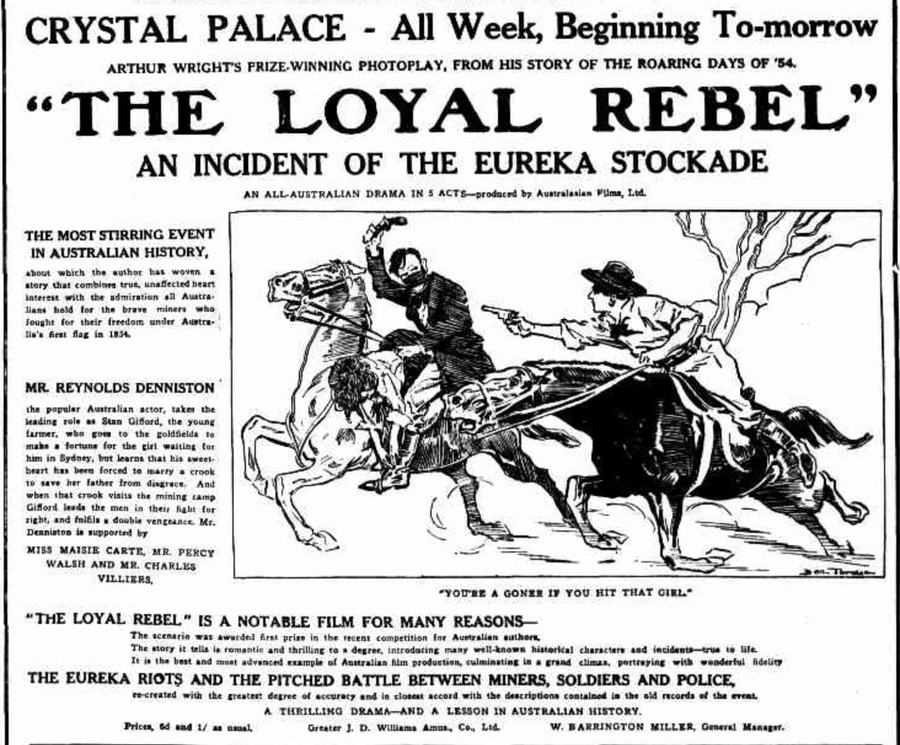
The story of the Eureka Stockade, where 12,000 gold miners rose up against the government..
Arthur Wright
Australia
From the first flicker of lantern-light on muddy diggings, The Loyal Rebel refuses to behave like polite heritage cinema; it kicks the past awake and drags it snarling into the present. Shot on location in the gullies of Sovereign Hill, the film’s chiaroscuro photography—courtesy of cinematographer Arthur Higgins—mak...
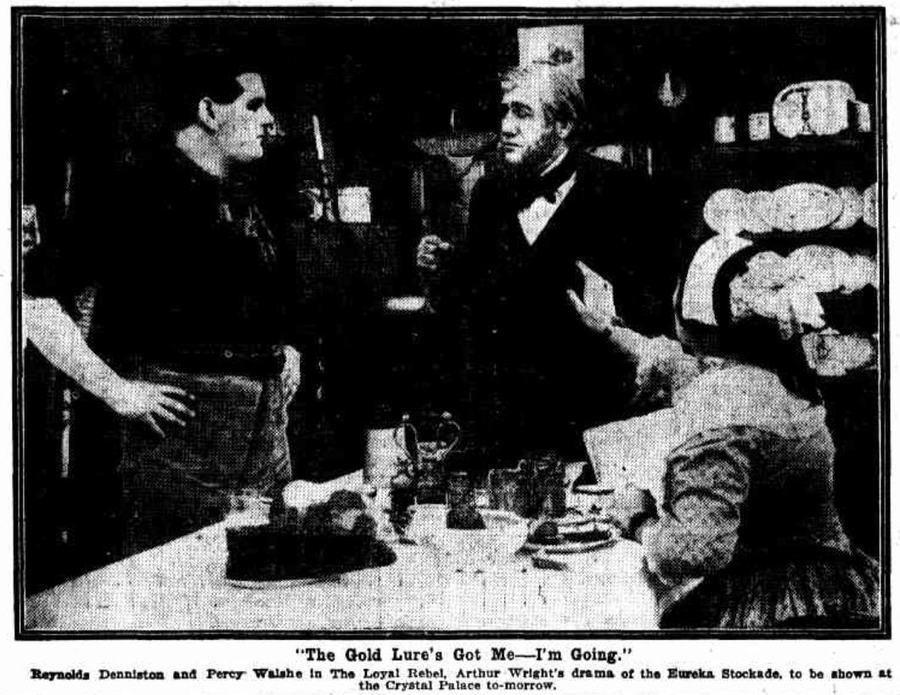
still_frame
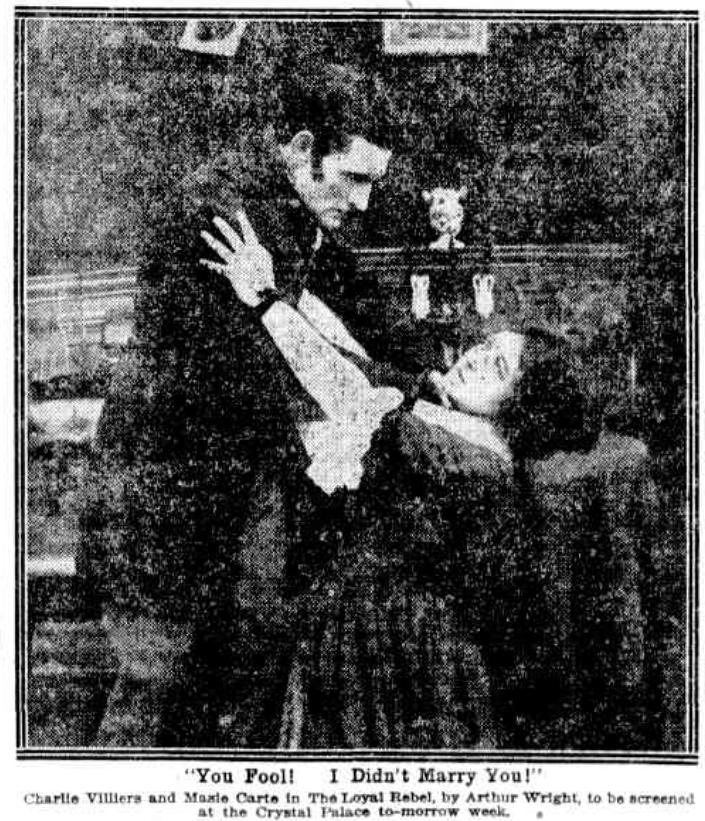
still_frame
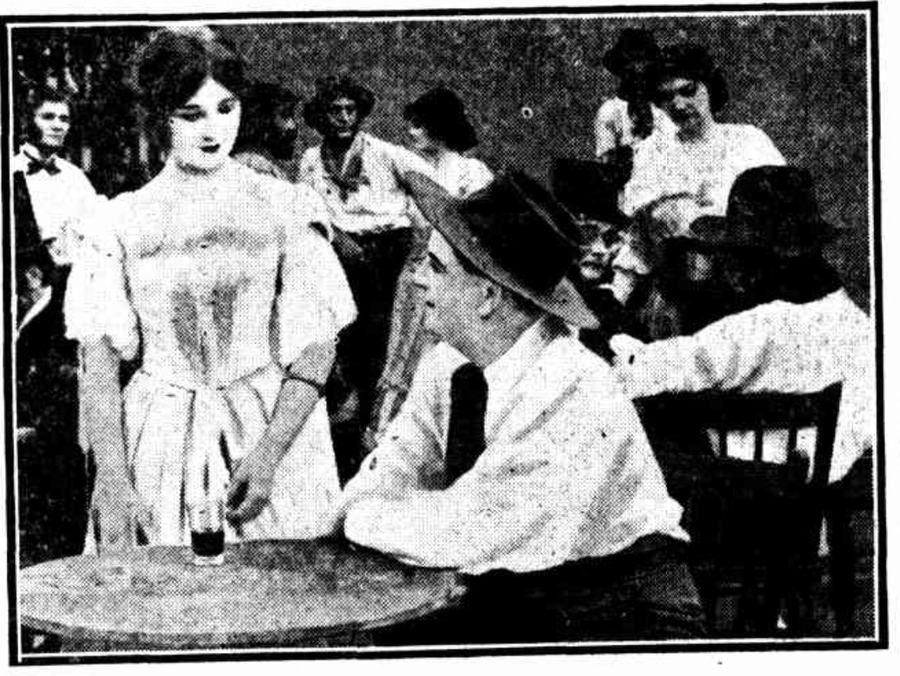
still_frame
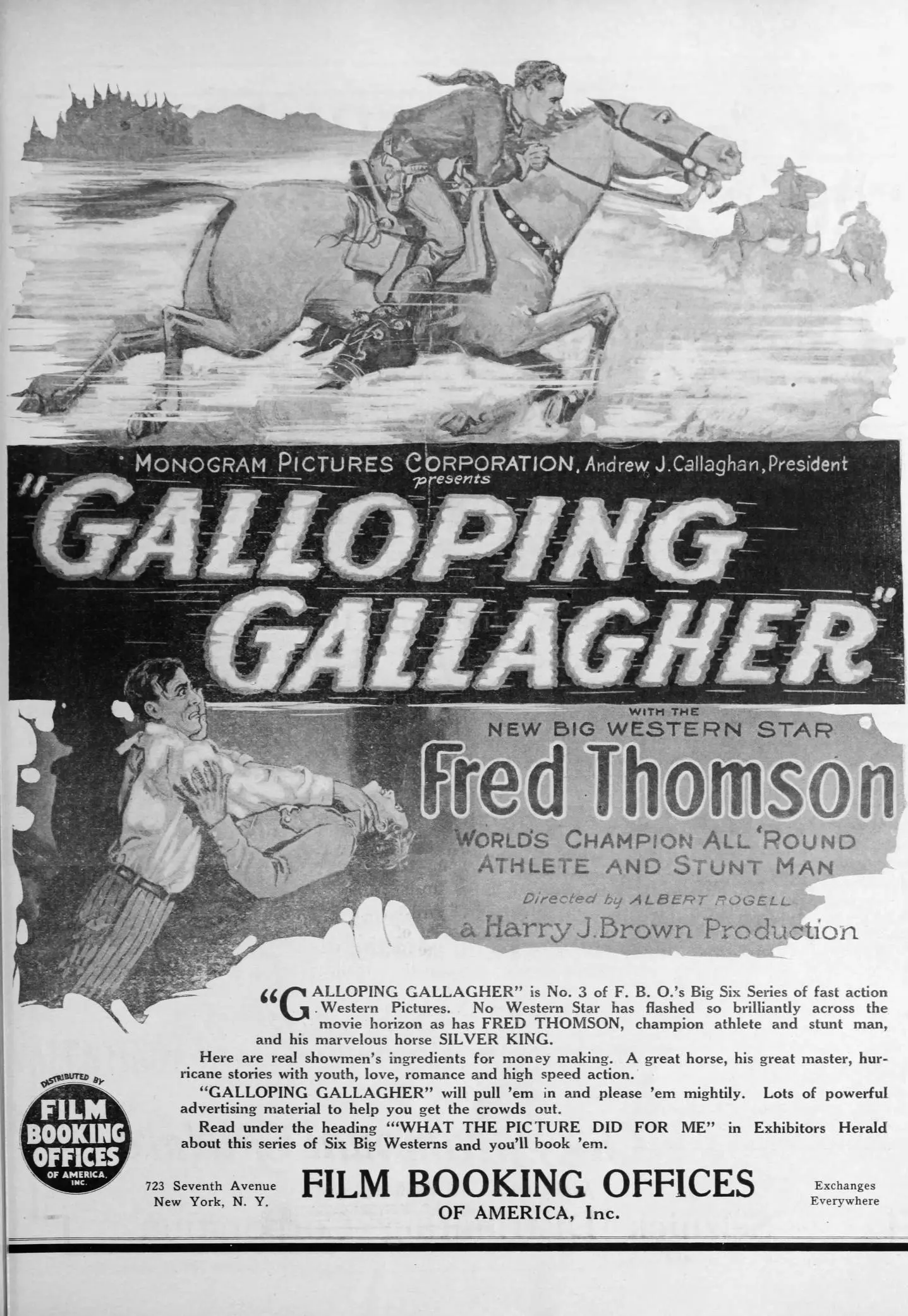
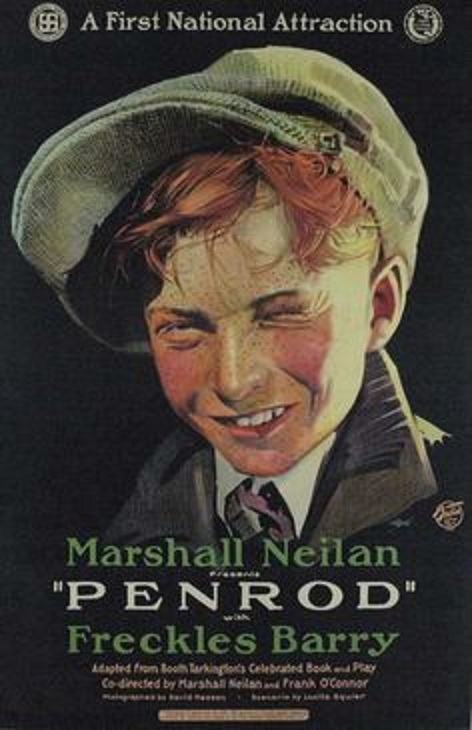
Comparing the cinematic DNA and archive impact of two defining moments in cult history.
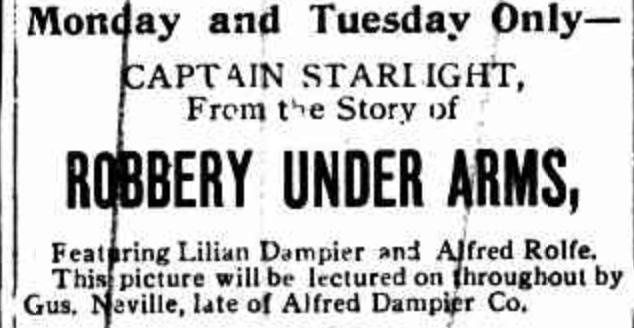
Alfred Rolfe
Alfred Rolfe
Community
Log in to comment.
" From the first flicker of lantern-light on muddy diggings, The Loyal Rebel refuses to behave like polite heritage cinema; it kicks the past awake and drags it snarling into the present. Shot on location in the gullies of Sovereign Hill, the film’s chiaroscuro photography—courtesy of cinematographer Arthur Higgins—makes every nugget of dirt glint like a doubloon and every bayonet flash like a judgment day blade. Higgins’ camera glides through fog, then suddenly jerks into handheld chaos as sold..."