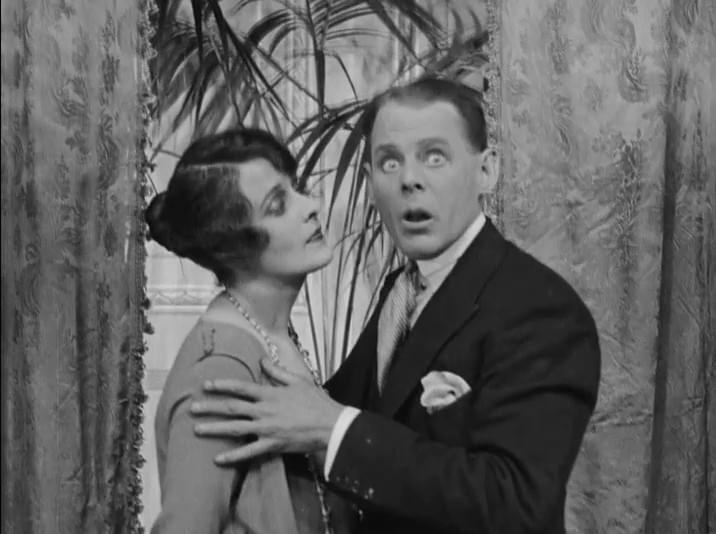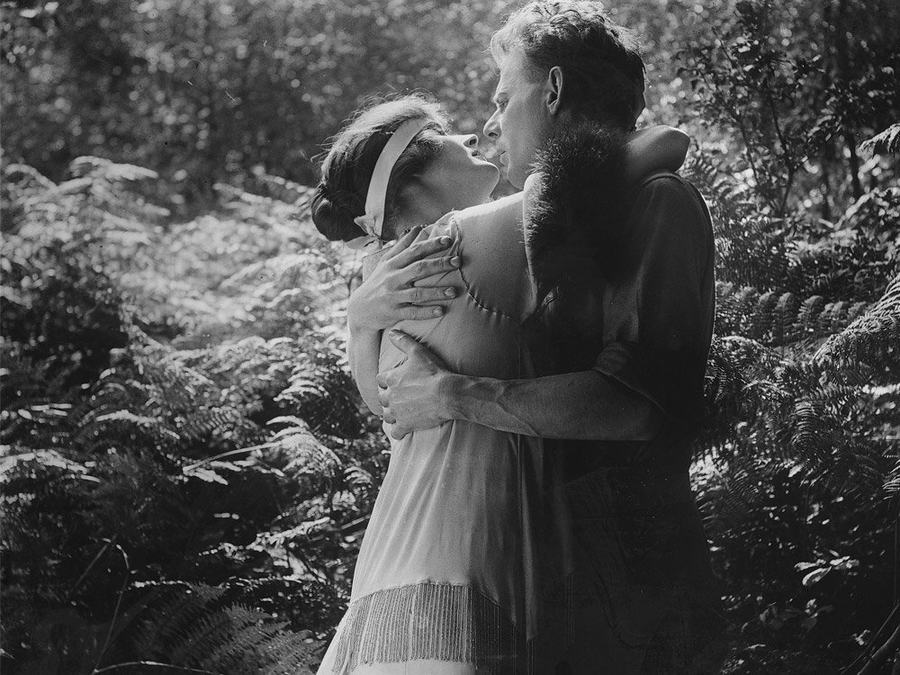
A London actress collapses on stage and is sent by her doctor to stay in the country with a farmer and his wife. But when she starts an affair with the farmer, the idyllic life at "Crooning Water" is threatened with tragedy.
A hush as thick as Dorset fog settles over Guy Newall’s 1920 curio The Lure of Crooning Water, a picture that masquerades as a sanatorium idyll before slitting its own wrists with a shard of obsidian betrayal. Shot on location when the British countryside still exhaled pre-war innocence, the film feels like a hand-t...
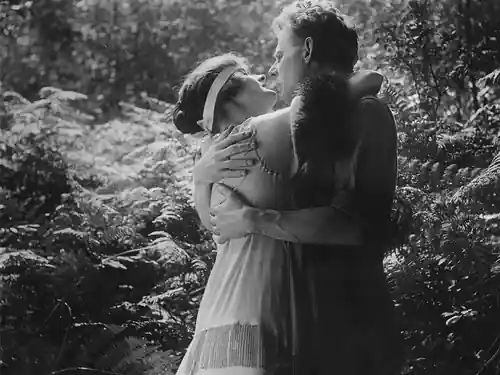
still_frame
Comparing the cinematic DNA and archive impact of two defining moments in cult history.
Arthur Rooke
Victor Heerman
Community
Log in to comment.
" A hush as thick as Dorset fog settles over Guy Newall’s 1920 curio The Lure of Crooning Water, a picture that masquerades as a sanatorium idyll before slitting its own wrists with a shard of obsidian betrayal. Shot on location when the British countryside still exhaled pre-war innocence, the film feels like a hand-tinted postcard left too long in the sun: colors bleed, edges blister, and the pastoral bliss reveals septic bruises. Newall—triple-hyphenate as co-writer, director, and male lead—e..."
Douglas Munro
Marion Hill, Guy Newall
United Kingdom
1924 · IMDb —
Deep dive into the cult classic
Discover similar cinematic experiences
A Directorial Spotlight on Arthur Rooke