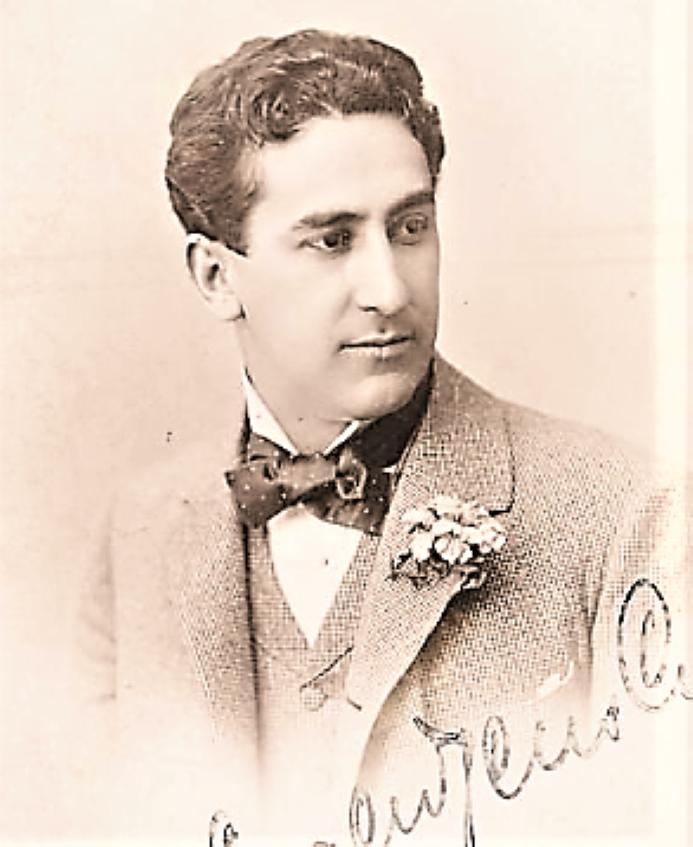
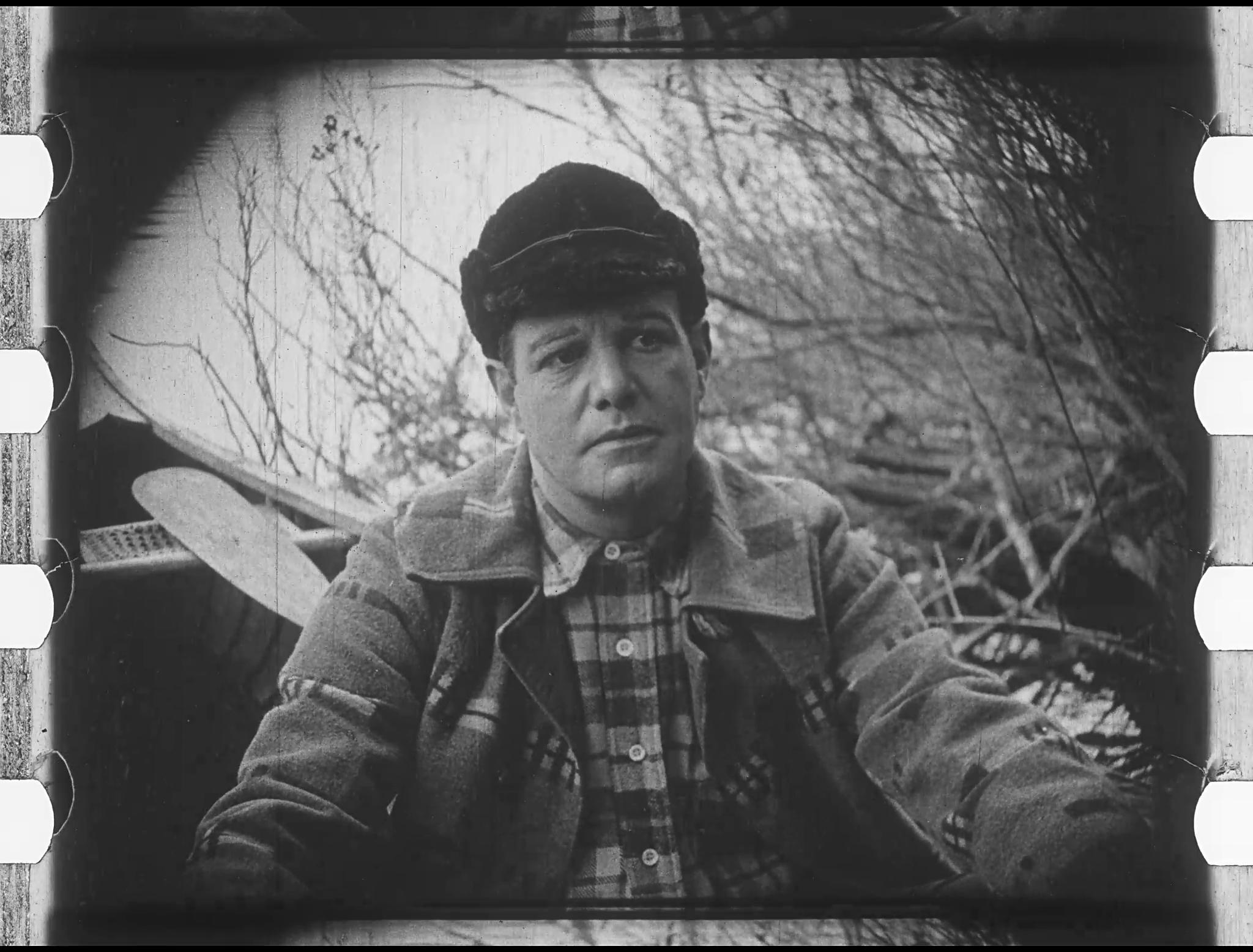
France in the late 1600s, the son of a widowed lord is kidnapped by gypsies, who carve a permanent grin on the child's face. When the deformed boy grows up, he falls in love with a blind girl named Dea, and joins a touring company as a performer.
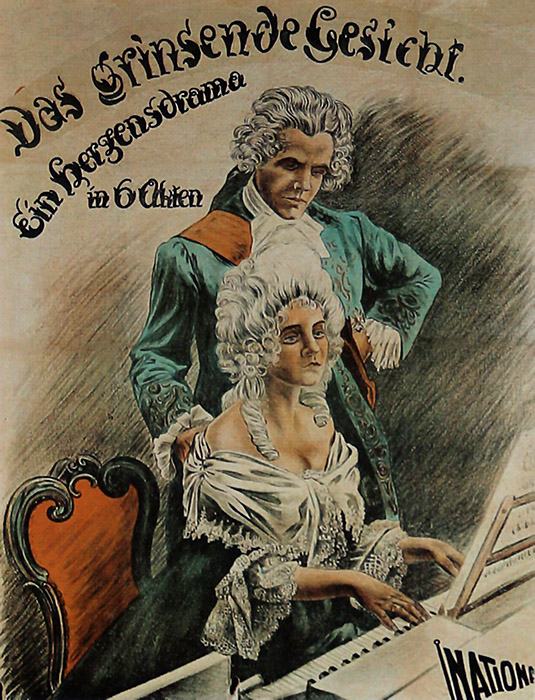
Leni’s camera glides through chiaroscuro corridors as though Dante commissioned a cinematographer: every guttering torch throws a lattice of shadows that nibbles at faces like hungry moths. The film’s first movement—an infant’s abduction beneath a scaffold—announces itself with a title card dripping icicles, yet the t...
Comparing the cinematic DNA and archive impact of two defining moments in cult history.
Julius Herska
Maurice Elvey
Community
Log in to comment.
" Leni’s camera glides through chiaroscuro corridors as though Dante commissioned a cinematographer: every guttering torch throws a lattice of shadows that nibbles at faces like hungry moths. The film’s first movement—an infant’s abduction beneath a scaffold—announces itself with a title card dripping icicles, yet the true prologue is the close-up on a child’s mouth being turned into a gargoyle; the iris-in feels more surgical than voyeuristic. From that instant, the viewer becomes complicit in a..."
Josef Moser
Louis Nerz, Victor Hugo
Austria
1920 · IMDb —
William Parke
Deep dive into the cult classic
Discover similar cinematic experiences
A Directorial Spotlight on Julius Herska