Summary
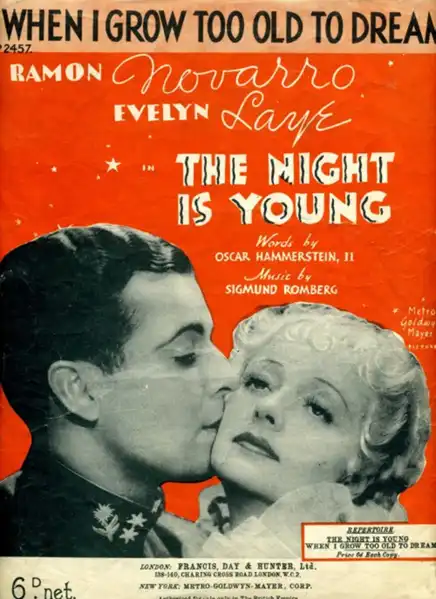
Archduke Gustl is forced into an arranged marriage by his uncle, the Emperor, but he wants to keep seeing his secret Hungarian love. To buy himself time and keep the palace happy, he strikes a deal with a clumsy, daydreaming ballerina named Lisl to play his pretend girlfriend. What starts as a convenient lie turns into a messy situation when they actually start enjoying each other's company, while Lisl’s real boyfriend back at the ballet house isn't exactly thrilled about the arrangement.
Synopsis
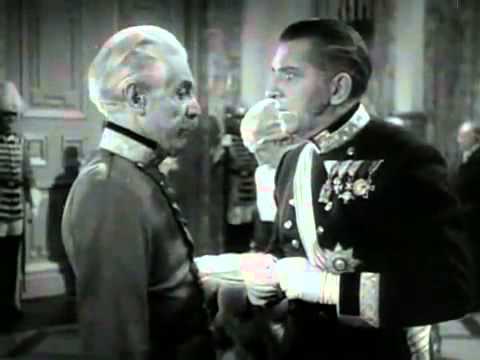
Austrian Emperor Franz Josef has arranged a marriage for his nephew, the Archduke Paul Gustave - nicknamed Gustl - to the suitable Princess Matilda, a woman Gustl can't even remember. He is instead in love with the Hungarian Countess Zarika Rafay, which Gustl can't tell his uncle since he disapproves of her family. The Emperor will allow Gustl to sow his wild oats before getting married, but that woman needs to be someone "harmless" outside of the royal circle. Since they discuss this situation while at the ballet, Gustl instead tells the Emperor that he is in love with one of the ballerinas, and the one he has chosen somewhat at random is the always distracted Lisl Gluck, who is considered the worst dancer in the company since she is always staring at the man she intends to marry, the ballet company's piano accompanist Toni Berngruber. When Gustl summons Lisl, she is relieved to learn his true intentions - that she is just a front while he cavorts secretly with the Countess (although he tells her nothing of his impending marriage to the Princess) - but less so when she learns that that requires her to live in his royal house. She agrees when Gustl promises to produce Toni's ballet in return. Although Toni knows nothing about the agreement between Lisl and Gustl, Lisl running off with Gustl does not sit well with him, who believes he can get any woman to replace Lisl. As Lisl and Gustl live their separate lives together, they find they have a fun time together, the other being different than those in their own social class. But an incident between Lisl, Toni and Gustl shows Lisl where her true feeling lie, those which were evident to Gustl much earlier. But can a union of an Archduke and a not so good ballerina work, let alone be sanctioned by the royal house?
Review Excerpt
"Is this thing worth the watch?
If you're in the mood for a dusty, old-school musical where everyone acts like they’re in a play even when they’re just eating breakfast, then sure, go for it. People who love those breezy 1930s studio films with big staircases and fancy uniforms will have a blast. Everyone else? You’ll probably spend half the runtime checking your watch or staring at the wall.
It’s one of those movies that feels like a soufflé that didn't quite rise. It’s light, it’s sweet, but i..."