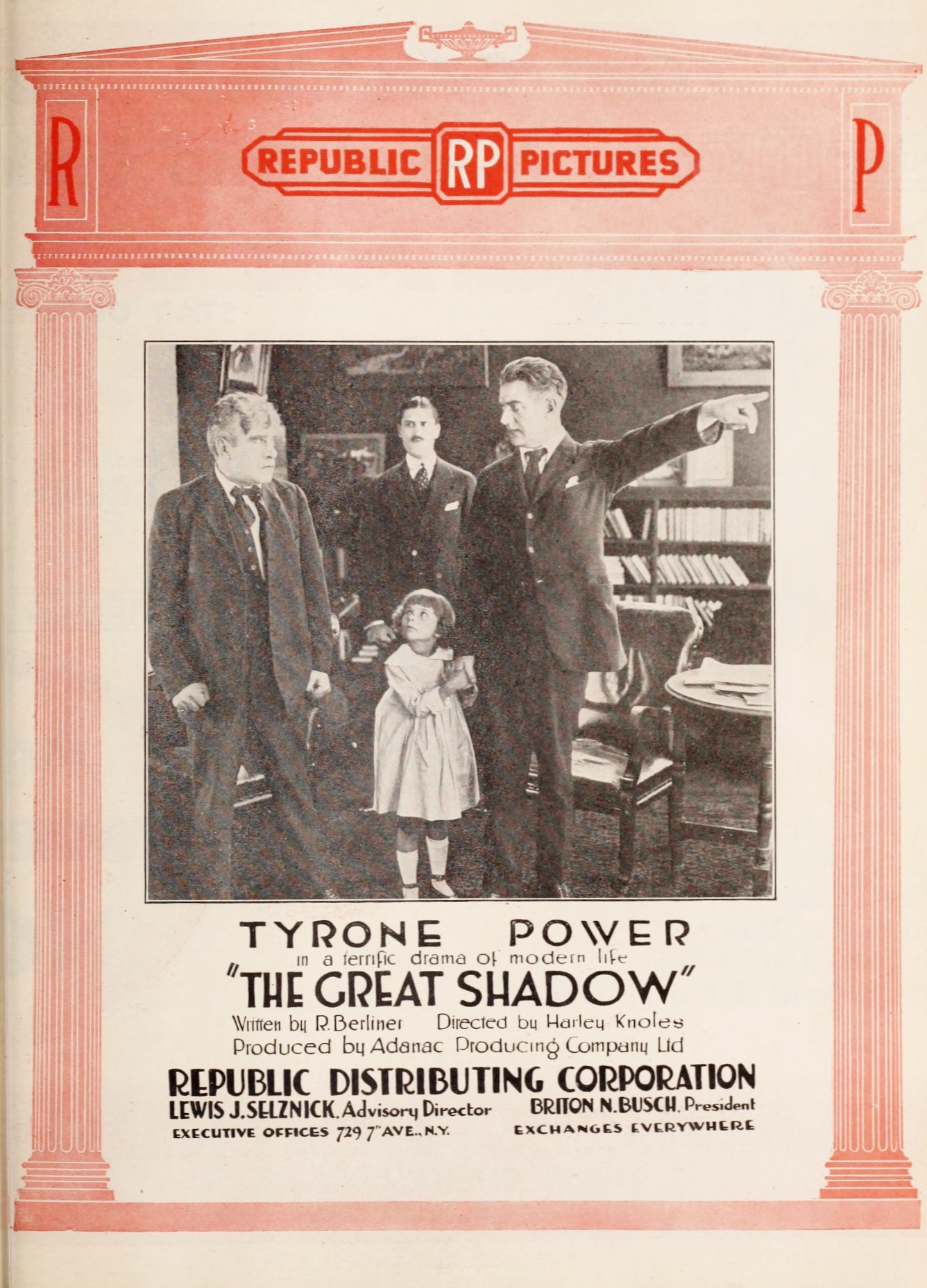
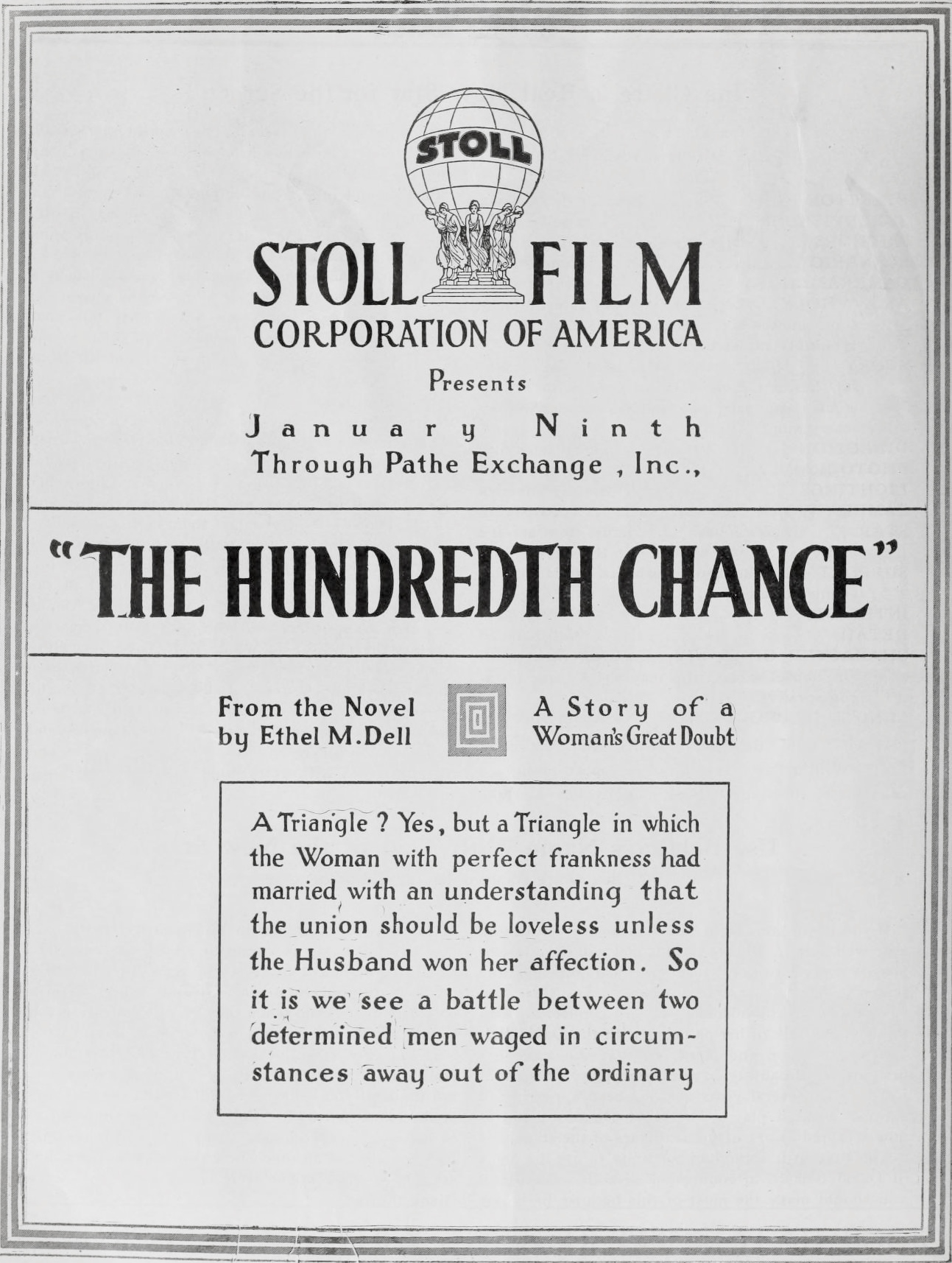
Summary
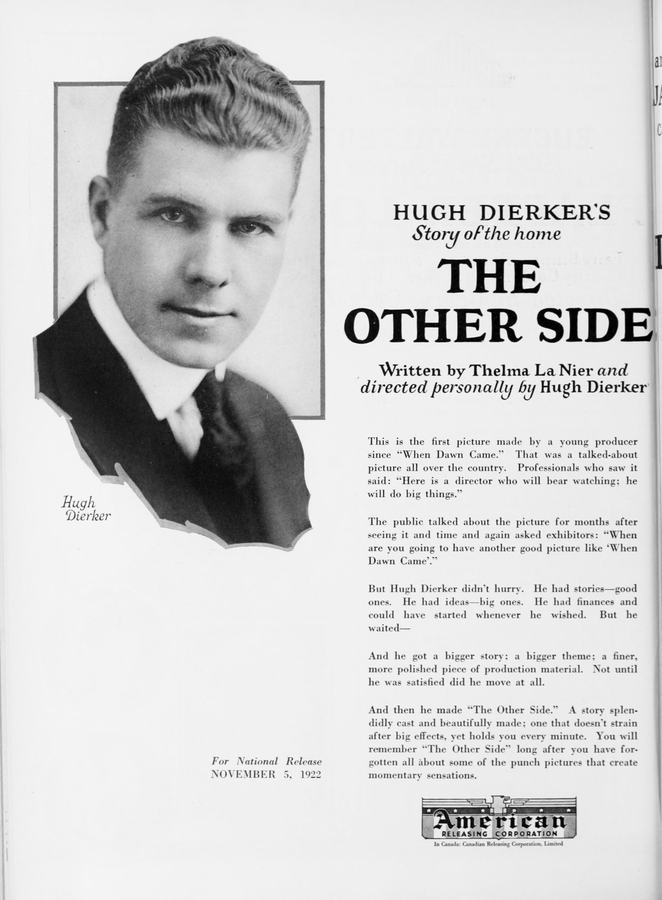
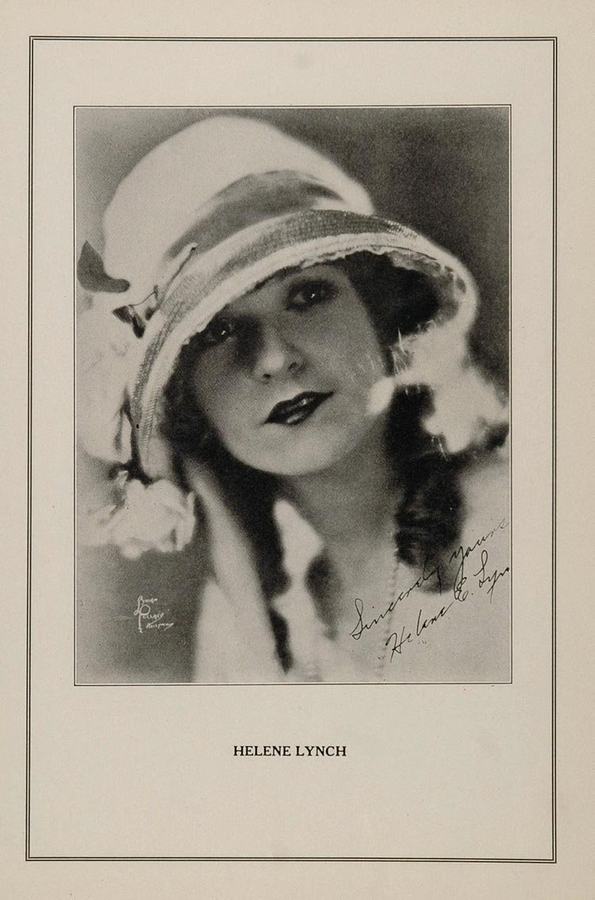
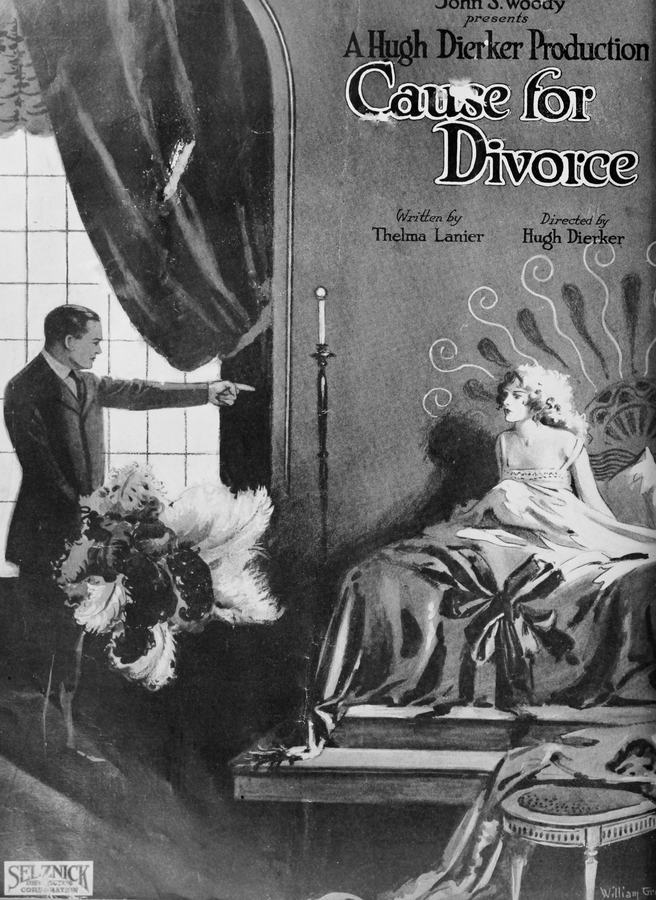
A moon-drenched Riviera villa, half-sunken in salt and secrets, becomes the stage for a danse macabre of swapped identities and whispered bloodlines. Fritzi Brunette, porcelain yet feral, drifts through candle-lit corridors as Lorna Vale, a penniless painter hired to restore a family portrait that bleeds oils at night; each brushstroke uncovers not pigment but the drowned face of her own doppelgänger—Helen Lynch’s Vera Ash, the heiress presumed lost at sea. Peter Burke’s Dr. Felix Harrow, a morphine-addicted ethnographer, prowls the grounds cataloguing local funerary rites while covertly dosing the household with dream-suppressants; he believes the Vale/Ash visage is an anthropological constant, a racial memory surfacing like coral. Thelma Lanier’s screenplay folds time upon itself: flash-forwards show Brunette in a 1929 asylum insisting she painted the film we are watching; flashbacks reveal Lynch aboard a fogged ocean liner playing chess with Death, who wears her fiancé’s face. The house itself—part submerged grotto, part Art-Nouveau reliquary—exhales tides that erase footprints, so every corridor rewrites its own geography. When the two women finally stand face to face inside the flooded ballroom, mirrors suspended like glass kites above them, they speak in perfect unison: “I was the echo you mistook for a voice.” The negative space between their silhouettes becomes a portal; Brunette steps through, leaving Lynch trapped inside the frame of the portrait she once commissioned. The closing shot reverses the opening: the camera retreats across the water as the villa sinks, its chandeliers still blazing, until the screen becomes the very canvas Brunette had been restoring—now cracked, empty, and flickering like nitrate on the edge of combustion.
Review Excerpt
"
p,ul,li{margin:0 0 1rem 0}
a{color:#0E7490;text-decoration:none;border-bottom:1px dotted #0E7490}
a:hover{color:#EAB308;border-color:#EAB308}
blockquote{border-left:4px solid #C2410C;padding-left:1.2rem;margin:2rem 0;font-style:italic;color:#EAB308}
.pullquote{font-size:1.4rem;color:#C2410C;text-align:center;margin:3rem 0;font-weight:600}
There are films you watch, and then there are films that watch you back. The Other Side—long thought lost until a cyan-tinted nitrate print surfa..."