DbcultAccessing Vault...
6/10
Senior Film Conservator
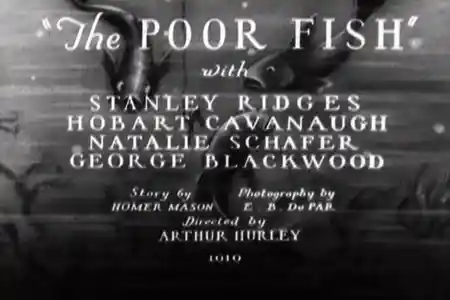
A definitive 6/10 rating for a film that redefined the boundaries of cult cinema. The Poor Fish remains a cornerstone of transgressive art.
Okay, so The Poor Fish from 1930? If you're into those really early talkies, maybe even studying how dialogue worked back then, then _yeah_, give it a whirl. It’s a neat little snapshot of a very specific time in film. But honestly, if you're hoping for some big laughs or a story that grips you, you're gonna be pretty bored. This one’s mostly for film history folks, maybe folks who just love Natalie Schafer in anything. 🎣
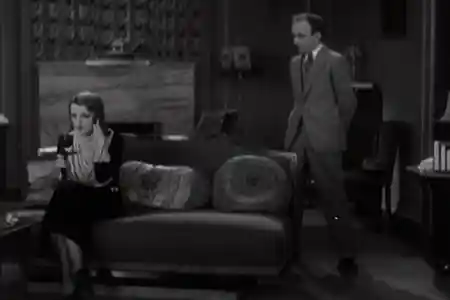
The whole thing kicks off with Harry, played by Stanley Ridges, coming home to find his wife, Daisy (Natalie Schafer), on the phone. And wouldn't you know it, she’s calling someone "sweetheart." Now, that's a setup, right?
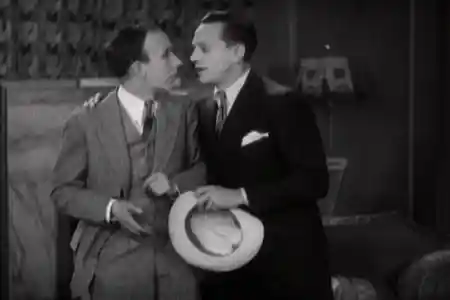
Of course, this being 1930, the "misunderstanding" is played for light comedy. Harry gets all huffy, but it turns out the "sweetheart" is just a fellow fishing fanatic. Both men, Harry and his pal, they're just obsessed with fishing. Like, _really_ obsessed. 🐟
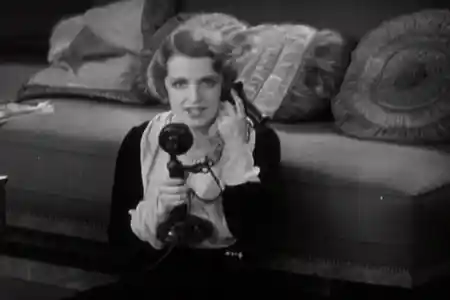
The pacing here is something else. The scene goes on a little longer than you'd expect. You can almost feel the actors trying to figure out how to deliver lines with this new "sound" thing. Schafer, even here, has this wonderful, slightly exasperated energy. You can see glimpses of the Mrs. Howell she'd become decades later.
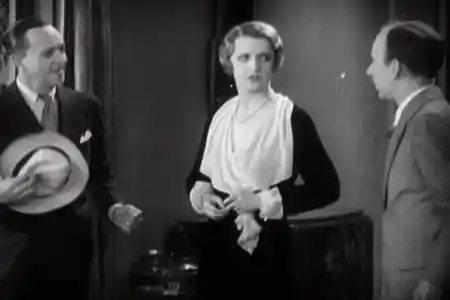
Once the two men finally decide to go fishing – because what else would they do? – Daisy is left alone. And this is where the short film gets its, well, _hook_. She immediately picks up the phone again.
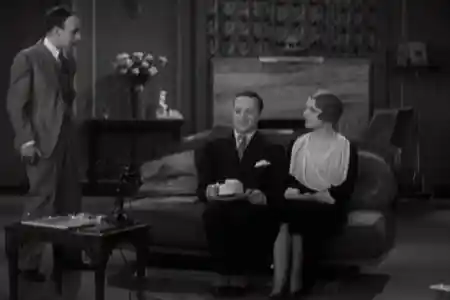
She calls Mr. Gill at the Aquarium. Yes, _the Aquarium_. And her first question to him is, "Do you like fish?" He says no. And _that_ is apparently the correct answer because she then invites him over. It's such a bizarre, specific logic. She’s found someone who _doesn't_ like fish, so he must be the perfect companion. 🤔
The whole thing is just a few rooms, really. You see the living room, maybe a hall. The sets are pretty plain. Not much going on in the background, which helps keep your focus on the dialogue, which is good, since the sound quality, bless its heart, isn't exactly crystal clear. Sometimes you gotta lean in.
What struck me was just how quick Daisy’s mind works. The second Harry and his buddy are out the door, she’s already plotting. No moping around. Just straight to the phone, a plan already formed. It’s a small detail but it gives her character a certain edge, even in this short little piece.
There's a moment when Harry is pacing around, all agitated after hearing the "sweetheart" bit. His body language is kinda stiff, like he’s still figuring out how to move naturally with sound recording equipment nearby. It's a little awkward, but also charming in its own way. A real artifact.
You know, for a film from 1930, it actually holds up okay as a curiosity. It's not laugh-out-loud funny, but it’s got a gentle chuckle to it. The simplicity is its charm. If you're tired of all the loud, flashy stuff today, this is a quiet little corner. But don't go in expecting a masterpiece. It's just a little slice of early Hollywood. 📽️
It's interesting to see how domestic disputes were handled so lightly back then. No big emotional explosions, just a quick misunderstanding and a very straightforward, if quirky, solution. It kinda makes you think about how much comedies have changed, huh?
IMDb 6.4
1922
Community
Log in to comment.