DbcultAccessing Vault...
5.4/10
Senior Film Conservator
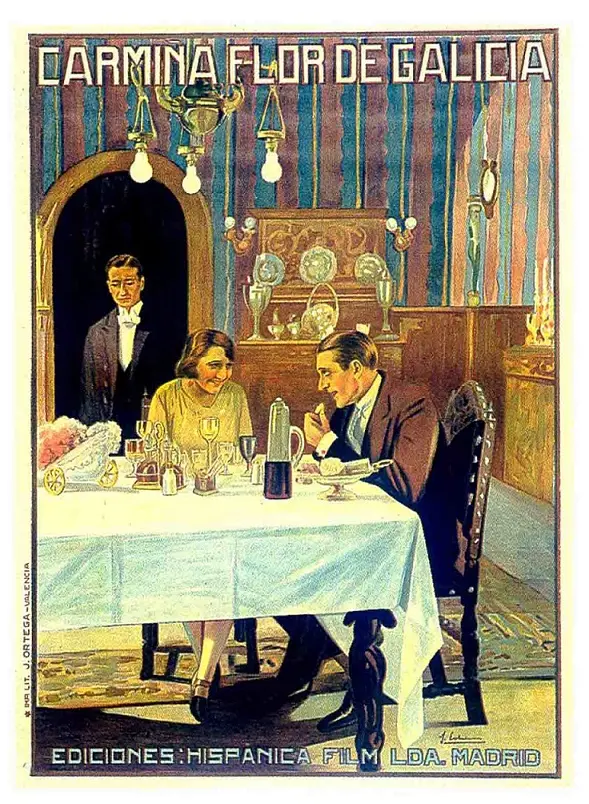
A definitive 5.4/10 rating for a film that redefined the boundaries of cult cinema. Carmiña, flor de Galicia remains a cornerstone of transgressive art.
Is Carmiña, flor de Galicia worth watching in the modern age? Short answer: Yes, but only if you can handle the slow-burn melodrama of a bygone era. This film is a definitive must-watch for historians of Spanish cinema and fans of regionalist storytelling, while it will likely alienate those who require the frenetic editing of contemporary thrillers.
This film exists as a bridge between the pastoral traditions of the 19th century and the burgeoning social realism of the 20th. It is a work of high emotion and stark visual contrasts. It is a relic that still breathes.
1) This film works because it utilizes the Galician landscape not just as a backdrop, but as a primary character that reflects the protagonist's internal state.
2) This film fails because the Count is written with such one-dimensional villainy that he lacks any psychological depth, making the central betrayal feel inevitable rather than tragic.
3) You should watch it if you are captivated by the visual language of silent cinema and want to see how early filmmakers navigated the clash between tradition and modernity.
The direction in Carmiña, flor de Galicia is surprisingly sophisticated for 1926. The way the camera lingers on the Galician meadows creates a sense of peace that makes the subsequent move to the city feel like a descent into a mechanical hell. Unlike A Cumberland Romance, which handles rural themes with a softer touch, this film feels heavy with the weight of impending doom.
The cinematography captures the textures of the earth and the fabric of the costumes with a tactile quality. You can almost smell the rain and the peat. This isn't just a movie; it's a sensory preservation of a world that was already disappearing when the film was made.
When the Count first appears, the lighting shifts. He is often framed in shadows or through doorways, suggesting his role as an interloper. It’s a classic technique, but here it feels particularly aggressive. He doesn't just want Carmiña; he wants to conquer the landscape she represents.
Irene Salazar’s portrayal of Carmiña is the film's beating heart. In silent cinema, there is a risk of overacting, but Salazar maintains a grounded presence. Her eyes convey more than the intertitles ever could. When she is abandoned in the city, her physical collapse is harrowing to behold.
Compare her performance to the lead in The Slacker, and you see a much more nuanced approach to social shame. Salazar doesn't just play a victim; she plays a woman who has lost her connection to her own identity. It is a performance of profound isolation.
The supporting cast, particularly Lucio Garrido and Juan Muñoz del Río, provide the necessary friction. The men in this film represent two different paths for Galicia: the exploitative future and the protective past. Martiño’s entrance in the final act isn't just a plot point; it's a thematic rescue.
Yes, Carmiña, flor de Galicia is worth watching because it provides a rare, authentic glimpse into Galician regionalist cinema of the 1920s. It offers a unique visual aesthetic that differs significantly from the Hollywood productions of the same era. It is a foundational piece of Spanish cultural history.
The film captures a specific cultural anxiety that is still relevant today: the fear of losing one's roots to the lure of urban superficiality. While the plot is simple, the emotional resonance is surprisingly complex. It forces the viewer to consider what we sacrifice in the name of progress.
The city sequences are shot with a jarring, claustrophobic energy. The streets are busy, the people are indifferent, and the architecture feels cold. This stands in direct opposition to the wide-open shots of the Galician countryside. This visual dichotomy is the film's greatest strength.
In one specific scene, Carmiña stands by a window in the city, looking out at a brick wall. This moment perfectly encapsulates her entrapment. She is a flower that has been plucked and placed in a vase without water. It’s a simple metaphor, but the execution is devastating.
The film shares thematic DNA with Politics, but where that film looks at the macro level of societal shifts, Carmiña stays focused on the micro—the individual cost of a changing world. It is a deeply personal tragedy that reflects a national struggle.
Pros:
Cons:
One surprising element of the film is its treatment of Carmiña’s suicidal ideation. In many films of this period, such as Calvaire d'amour, suicide is often framed through a lens of religious sin. However, in Carmiña, it is framed as an ecological catastrophe.
When she contemplates ending her life, it is because she has been removed from her 'soil.' The film suggests that her death would be a failure of the community, not just a personal sin. This is a remarkably modern, almost environmentalist perspective on human psychology.
It works. But it’s flawed. The film doesn't need the Count to be a monster for the tragedy to work; it only needs him to be indifferent. By making him a mustache-twirling villain, the film loses a bit of its grounded reality.
The pacing of the film is deliberate. It doesn't rush to the tragedy. It allows the viewer to fall in love with the countryside alongside Carmiña. This makes the eventual betrayal feel like a physical blow to the audience. This is something often missing in films like The Home Stretch, which prioritize plot over atmosphere.
The editing by the director (often attributed to Rino Lupo, though Rey Soto wrote it) uses cross-cutting effectively to show the parallel lives of those in the village and Carmiña’s suffering in the city. It creates a sense of simultaneous existence that heightens the irony of her situation.
The score—if you can find a restored version with an appropriate accompaniment—is vital. The folk-inspired melodies of Galicia contrast sharply with the more dissonant, modern sounds of the city. It is a masterclass in auditory storytelling without words.
Carmiña, flor de Galicia is a haunting, beautiful, and occasionally frustrating piece of cinema. It is a film that demands your full attention and rewards it with images that will stay with you long after the credits roll. It is a testament to the power of regional storytelling.
While it may lack the polished narrative arcs of modern cinema, it possesses a raw honesty that is rare. It is a film about the land, the soul, and the price of a broken promise. If you are looking for a cinematic journey that feels like a trip through time, this is it.
Final thought: Don't watch it for the plot. Watch it for the ghosts of a Galicia that no longer exists. It is a beautiful, tragic, and essential piece of the cinematic puzzle.
IMDb —
1920
Community
Log in to comment.